Mechanical Engineering | 3D Scanning | 3D Modelling
Tag: Hamilton By Design
Hamilton By Design is an Australian engineering consultancy delivering engineer-led 3D scanning, digital engineering, mechanical and structural design, and fabrication-ready documentation. This tag brings together content that reflects Hamilton By Design’s approach to fit-for-purpose engineering, accurate site capture, and practical project delivery across industrial, mining, infrastructure, and construction sectors.
Discover how mechanical engineering, government funding, and digital innovation are driving the future of mining in Australia. Learn how Hamilton By Design leads the change.
Australia’s mining industry is undergoing one of its most significant transformations in decades. At the heart of this change lies the convergence of mechanical engineering innovation, government-backed funding, and cutting-edge technology.
With over $750 million in federal support for metals manufacturing and state-based funding for METS innovation, mechanical engineers are now in a position to redefine how mining operations are designed, maintained, and optimised.
At Hamilton By Design, we are helping clients across the country harness these changes—offering smart mechanical solutions that are efficient, resilient, and future-ready.
Key Opportunities: How Technology is Reshaping Mechanical Engineering in Mining
1. Government Funding is Fueling Innovation
In March 2025, the Australian Government announced a $750 million investment to boost advanced manufacturing and metals production in Australia.
Local manufacturing partnerships to reduce supply chain risk
At Hamilton By Design, we are already supporting mining clients to align their capital projects with these funding pathways.
2. Digital Tools Enhance Mechanical Performance
According to the CSIRO METS Roadmap, digitalisation and automation are critical for the next phase of mining growth.
We implement:
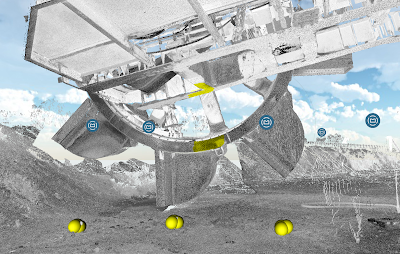
LiDAR scanning for as-built plant modelling
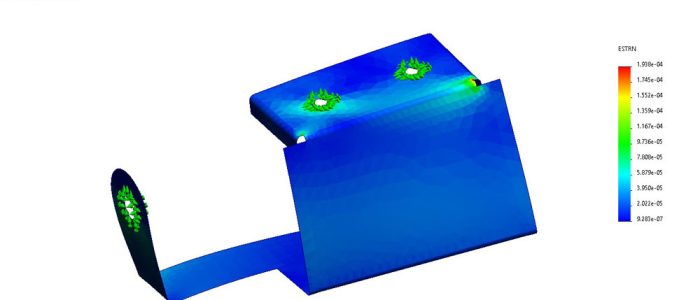
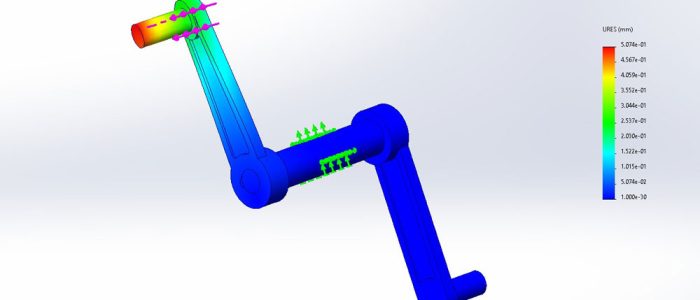
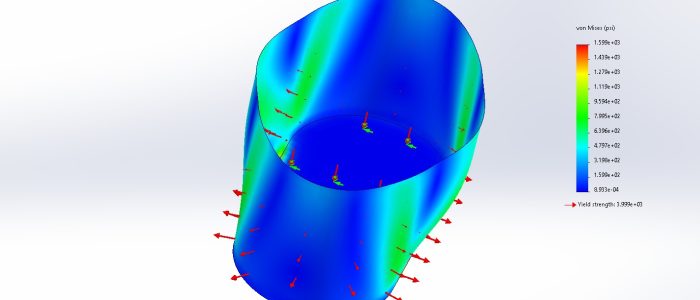
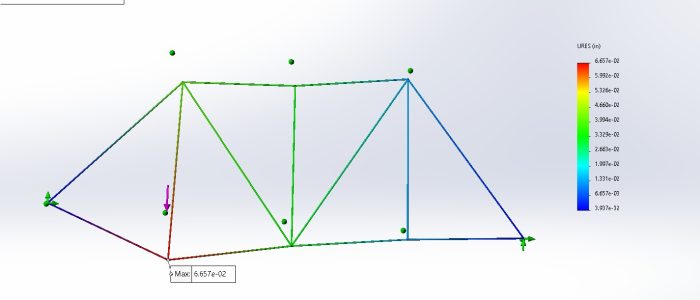
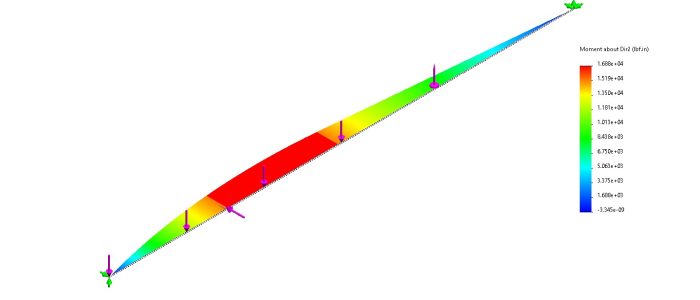
Finite Element Analysis (FEA) for structural design optimisation
Predictive maintenance planning using real-time sensor data
These tools not only extend the life of critical components but also enhance safety, reduce downtime, and support remote operations.
3. WA and NSW Governments Are Supporting METS Innovation
The Western Australian government continues to support Mining Equipment, Technology and Services (METS) innovation and commercialisation through its METS Innovation Grants.
This creates opportunities for mechanical engineering firms to:
Collaborate with OEMs and fabricators
Introduce novel materials and designs for harsh mining environments
Lead the push toward zero-emissions equipment and sustainable design
Hamilton By Design’s agile project delivery and deep mechanical experience allow us to integrate seamlessly with these innovation pipelines.
The Challenges: Bridging the Gap Between Legacy and Future
Despite the exciting momentum, the sector also faces critical challenges:
Skills Gaps: Many engineers are not yet equipped with digital or automation skills.
System Complexity: Mechanical systems are increasingly integrated with electrical and digital subsystems, requiring multidisciplinary design thinking.
Capital Risk: Large investments in automation must deliver measurable value, which requires robust mechanical frameworks.
Hamilton By Design addresses these risks by offering not only high-quality design services, but also strategy, planning, and training support to ensure seamless project delivery.
Why Hamilton By Design is Your Engineering Partner of the Future
We work with clients across NSW, WA, QLD, and SA, offering nationwide support for design, development, and delivery.
Let’s Engineer the Future Together
Mechanical engineering is no longer just about function—it’s about intelligence, adaptability, and sustainability.
At Hamilton By Design, we help mining companies, fabricators, and OEMs thrive in this new landscape. Whether you’re applying for funding, upgrading equipment, or redesigning your processing infrastructure, we have the tools, experience, and innovation to lead you forward.
Rigid Body Dynamics vs Transient Structural Analysis – How does it apply to the Mining industry?
In the Australian mining industry — where heavy equipment, high-value production, and harsh conditions are the norm — the ability to simulate, test, and validate mechanical systems before they are fabricated or fail in the field is not just beneficial, it’s essential.
From iron ore operations in the Pilbara, to gold mining east of Perth, across to coal in the Hunter Valley and Bowen Basin, and up to hard rock mines in Mount Isa, mining operations rely heavily on engineered systems that move, load, transfer, and endure extreme forces. These systems are increasingly modelled using computer-aided engineering (CAE) tools to improve design accuracy, increase reliability, and reduce downtime.
Two of the most powerful tools in the mechanical and structural engineering toolbox are Rigid Body Dynamics (RBD) and Transient Structural Analysis (TSA). Both play key roles — but they serve very different purposes.
At Hamilton By Design, we help clients across Australia choose and implement the right type of simulation, whether you’re evaluating motion, stress, fatigue, wear, or all of the above.
What is Transient Structural Analysis (TSA)?
Transient Structural Analysis is a finite element-based simulation used to evaluate how a structure deforms under time-dependent loads. It’s used to calculate:
Displacement and deformation
Internal stresses and strains
Vibrations and dynamic response
Fatigue or structural failure under repeated loading
TSA is essential for components subjected to impact, vibration, or varying loads over time — all of which are common in mining.
Mining Applications of TSA:
Vibrating screens and feeders
High-speed chutes or hoppers handling large volumes
Crusher housings and rotating equipment supports
Structural skids and frames under mobile loads
Transfer stations experiencing dynamic load shifts
What is Rigid Body Dynamics (RBD)?
Rigid Body Dynamics is used to simulate the motion of objects under the influence of forces, assuming the bodies themselves do not deform. RBD calculates:
Positions, velocities, and accelerations of components
Reaction forces at joints and constraints
Behaviour of actuators, linkages, and arms
Impact and collision between rigid parts
It’s particularly useful for modelling complex mechanisms and moving systems, such as hydraulic rams, rotary actuators, diverter gates, and articulated machinery.
Mining Applications of RBD:
Transfer chutes with moving diverter arms
Stacker-reclaimers and shiploaders
Drill mast articulation and boom operations
Hydraulic take-up systems on conveyors
Rockbreaker arms and crusher feed assemblies
Why TSA Isn’t a Substitute for RBD
Although TSA includes the ability to simulate rigid body motion as part of the total deformation field, it is not optimised for modelling systems where motion and kinematic behaviour are the primary focus. TSA solvers are geared towards tracking internal stresses, not joint movement or mechanical control.
If you try to use TSA for systems like diverter gates or mobile stackers:
The solver becomes slow and resource-heavy
You waste time calculating strain in components that are not expected to deform
You risk numerical instability if the system has insufficient structural constraints
RBD, on the other hand, is lean, fast, and perfectly suited for motion analysis. It handles joints, constraints, friction, impacts, and actuators efficiently without the complexity of a full finite element model.
Region-Specific Mining Examples
Let’s explore how these principles apply across key Australian mining regions.
🔶 Pilbara (Iron Ore – North of Perth)
In the Pilbara, high-throughput handling systems like stacker-reclaimers, conveyors, and train loadouts dominate. While TSA is critical for verifying the structural integrity of boom supports or transfer station bases, RBD is essential for simulating the precise motion of long booms, rotating car dumpers, and slewing mechanisms — especially when automated systems are involved.
🟡 Kalgoorlie & Goldfields (Gold – East of Perth)
In this region, we often see compact yet high-capacity systems like ball mills, crushers, and slurry pumps. TSA is ideal for evaluating fatigue life, support frame stresses, and dynamic loading from mill vibration. However, diverter systems in process plants or mobile material handling arms often require RBD to evaluate motion paths and ensure smooth operation under hydraulic or pneumatic control.
⚫ Hunter Valley (Thermal Coal)
Bulk handling is central in this region. TSA is used to assess the wear and fatigue life of chutes, hoppers, and vibrating feeders. For moving equipment like stackers, tripper cars, or sampler mechanisms, RBD provides fast, accurate insight into system dynamics, travel time, and constraint loads.
⚫ Bowen Basin (Metallurgical Coal)
Here, systems like longwall supports, draglines, and hydraulic roof supports dominate. RBD plays a crucial role in simulating the interaction between actuators and supports, ensuring control logic matches physical capability. TSA is then applied to determine structural integrity and fatigue under repetitive stress.
🔵 Mount Isa (Hard Rock Mining)
With aggressive ores and complex underground networks, Mount Isa operations demand robust systems. TSA is vital for verifying vibration resistance and structural life of crushers, vibrating screens, and bin supports. But the motion of equipment like rockbreakers, boom arms, and autonomous loaders must be analysed with RBD to ensure precise control and motion under harsh conditions.
Combining Both for Complete Insight
The real power comes when TSA and RBD are used together. For example:
Use RBD to simulate the motion of a diverter arm and identify peak reaction forces.
Feed those forces into a TSA model to evaluate stress and fatigue in the pivot brackets or mounting plates.
This combination provides full lifecycle analysis — motion, loads, stress, and safety.
Engineering Support from Hamilton By Design
At Hamilton By Design, we understand how to apply these tools to real-world mining problems. We specialise in:
Mechanical system simulation and analysis
Lidar scanning and digital plant modelling
Design for manufacturability and reliability
Integrated RBD + TSA solutions tailored to mining
Whether you’re developing a new materials handling system, upgrading an existing structure, or troubleshooting motion-related issues, our team can provide insight-driven solutions that save time and money.
👉 Learn more at www.hamiltonbydesign.com.au or contact us to request a capability statement or project discussion.
Final Thoughts
Rigid Body Dynamics and Transient Structural Analysis aren’t interchangeable — they are complementary. In the demanding environment of the mining industry, knowing when and how to use each tool can make the difference between a reliable plant and one plagued by maintenance issues and inefficiencies.
If your system moves, RBD gives you clarity. If it bends, vibrates, or wears, TSA gives you answers.
Hamilton By Design – Engineering Australia’s Mining Future.
In the 1980s through to the early 2000s, AutoCAD ruled supreme. It revolutionised the way engineers and designers approached 2D drafting, enabling technical drawings to be created and shared with speed and precision across industries. For two decades, it set the benchmark for visual communication in engineering and construction. But that era has passed.
Today, we live and work in a three-dimensional world — not only in reality, but in design.
From 2D Drafting to Solid Modelling: The New Standard
At Hamilton By Design, we see 3D modelling not just as a tool, but as an essential evolution in how we think, design, and manufacture. The transition from 2D lines to solid geometry has reshaped the possibilities for every engineer, machinist, and fabricator.
With the widespread adoption of platforms like SolidWorks, design engineers now routinely conduct simulations, tolerance analysis, motion studies, and stress testing — all in a virtual space before a single part is made. Companies like Tesla, Ford, Eaton, Medtronic, and Johnson & Johnson have integrated 3D CAD tools into their product development cycles with great success, dramatically reducing rework, increasing precision, and accelerating innovation.
Where 2D design was once enough, now solid models drive machining, laser cutting, 3D printing, automated manufacturing, and finite element analysis (FEA) — all from a single digital source.
At Hamilton By Design, we work with and alongside these firms — and others — to deliver scalable, intelligent 3D modelling solutions to the Australian industrial sector. From laser scanning and site capture to custom steel fabrication, we translate concepts into actionable, manufacturable designs. Our clients benefit not only from our hands-on trade knowledge but also from our investment in cutting-edge tools and engineering platforms.
So What’s Next? The Future Feels More Fluid Than Solid
With all these tools now at our fingertips — FEA simulation, LiDAR scanning, parametric modelling, cloud collaboration — the question becomes: what comes after 3D?
We’ve moved from pencil to pixel, from 2D lines to intelligent digital twins. But now the line between design and experience is beginning to blur. Augmented reality (AR), generative AI design, and real-time simulation environments suggest that the next wave may feel more fluid than solid — more organic than mechanical.
We’re already seeing early glimpses of this future:
Generative design tools that evolve geometry based on performance goals
Real-time digital twins updating with sensor data from operating plants
AI-driven automation that simplifies design iterations in minutes, not days
In short: the future of 3D design might not be “3D” at all in the traditional sense — it could be interactive, immersive, adaptive.
At Hamilton By Design — We’re with You Now and into the Future
Whether you’re looking to upgrade legacy 2D drawings, implement laser-accurate reverse engineering, or develop a full-scale 3D model for simulation or manufacturing — Hamilton By Design is here to help.
We bring hands-on trade experience as fitters, machinists, and designers, and combine it with the modern toolset of a full-service mechanical engineering consultancy. We’re not just imagining the future of design — we’re building it.
Let’s design smarter. Let’s think in 3D — and beyond.
At Hamilton By Design, we know that keeping your equipment running efficiently isn’t just about quick fixes; it’s about adopting the right maintenance strategies to ensure long-term reliability and performance. With advancements in condition monitoring and diagnostic techniques, the ISO 18436.2 standard has become a cornerstone for effective maintenance practices—and it’s at the heart of how we help our clients optimize their operations.
In this blog post, we’ll explore the major maintenance strategies aligned with ISO 18436.2 and how they can transform your plant’s productivity.
What is ISO 18436.2?
ISO 18436.2 is an internationally recognized standard that defines the competencies required for personnel performing condition monitoring and diagnostics. It focuses on advanced tools like vibration analysis, helping engineers identify equipment issues before they lead to costly downtime.
At Hamilton By Design, our team is ISO 18436.2-certified, meaning we bring the highest level of expertise to your maintenance needs.
Maintenance Strategies That Deliver Results
ISO 18436.2 aligns with several key maintenance strategies designed to improve reliability, minimize downtime, and optimize equipment performance. Here’s how they work:
1. Reactive Maintenance
Reactive maintenance is the traditional “run-to-failure” approach where repairs are made after a breakdown. While not ideal for critical assets, tools like vibration analysis can still play a role by identifying root causes post-failure. This can help inform more proactive strategies in the future.
2. Preventive Maintenance (PM)
Preventive maintenance involves scheduling regular maintenance tasks to prevent failures. While effective to some extent, PM can lead to over-maintenance. By incorporating vibration analysis and other condition monitoring techniques, preventive measures can be more precisely targeted, reducing unnecessary downtime.
3. Condition-Based Maintenance (CBM)
Condition-Based Maintenance uses real-time equipment data to identify issues as they arise. This strategy is central to ISO 18436.2 and includes tools like vibration analysis, thermography, and ultrasonic testing. CBM ensures that maintenance is performed only when necessary, saving time and money.
Benefits:
Reduces unplanned downtime.
Optimizes maintenance schedules.
Extends equipment lifespan.
4. Predictive Maintenance (PdM)
Predictive Maintenance takes CBM a step further, using data trends and analytics to predict when failures are likely to occur. With the expertise of ISO 18436.2-certified personnel, PdM uses advanced tools to detect subtle signs of wear or stress, allowing for intervention before a problem becomes critical.
Key Tools:
Vibration analysis for early detection of imbalance or misalignment.
Infrared thermography to spot heat anomalies.
Ultrasonic testing to identify leaks and material defects.
5. Reliability-Centered Maintenance (RCM)
RCM focuses on understanding the specific failure modes of critical assets and tailoring maintenance strategies accordingly. This approach integrates condition monitoring insights to prioritize tasks that align with operational goals.
Benefits:
Aligns maintenance efforts with production priorities.
Reduces the risk of unexpected equipment failures.
6. Proactive Maintenance
Proactive maintenance identifies and addresses root causes of recurring issues. By analyzing data from vibration and other diagnostic tools, engineers can resolve underlying problems like misalignment, improper lubrication, or material fatigue.
Impact:
Prevents repetitive failures.
Improves long-term equipment reliability.
7. Total Productive Maintenance (TPM)
TPM involves a plant-wide effort, from operators to management, to ensure optimal equipment effectiveness. ISO 18436.2-certified personnel can support TPM by providing actionable condition monitoring insights and training operators in basic diagnostic techniques.
How Hamilton By Design Helps
At Hamilton By Design, we bring these strategies to life through tailored maintenance solutions that align with your plant’s needs. Here’s how we can help:
1. Advanced Condition Monitoring:
Our team uses state-of-the-art tools to monitor equipment health, including vibration analysis, thermography, and ultrasonic testing.
2. Tailored Maintenance Plans:
Every plant is unique. We develop maintenance strategies based on your specific equipment, production goals, and operational priorities.
3. Expert Training and Certification:
We empower your team by offering ISO 18436.2 training, giving them the skills to sustain and enhance maintenance programs.
4. Ongoing Support:
Maintenance is a journey, not a destination. We provide continuous support to refine and optimize your practices as your operations evolve.
The Hamilton By Design Advantage
Adopting advanced maintenance strategies aligned with ISO 18436.2 isn’t just about improving equipment reliability—it’s about unlocking greater productivity and profitability for your business.
With our expertise, you can transition from reactive to predictive maintenance, reduce unplanned downtime, and extend the lifespan of your critical assets.
Ready to take your plant’s maintenance strategy to the next level? Contact Hamilton By Design today to find out how we can help.
Keeping machinery running isn’t just about fixing things when they break — it’s about preventing problems before they stop production, cause delays, or create safety risks. In today’s competitive industrial world, companies are using smarter strategies, better data, and more skilled people to make maintenance a strategic advantage rather than just an expense.
This shift is supported by new research, industry reports, and technology innovations that are changing the way maintenance is done. Let’s explore these best practices, the trends driving them, and how businesses are putting them into action.
Why Smarter Maintenance Matters
Every time a machine unexpectedly breaks down, it costs money — sometimes thousands of dollars per hour — not to mention the lost production and safety risks. This is why businesses are turning to condition monitoring — the practice of keeping an eye on equipment health through vibration data, temperature readings, and other signals.
According to SNS Insider, the market for vibration sensors alone is set to exceed USD 8.19 billion by 2032, driven by demand for predictive maintenance and automation. In other words, smart maintenance is no longer a nice-to-have — it’s becoming the industry standard.
Building a Proactive Maintenance Approach
Continuous Equipment Monitoring
Rather than waiting for something to fail, companies now collect data from equipment in real time. This data reveals whether something is running smoothly or starting to show early signs of trouble — like excessive vibration, heat, or noise.
Recent Cerexio research shows that condition-based maintenance is now a top trend in manufacturing, reducing unnecessary downtime and maintenance costs by focusing resources where they are actually needed.
Smarter Decision-Making
Not every machine needs the same treatment. Reliability-focused strategies look at each asset individually:
What is its purpose?
How likely is it to fail?
What would it cost if it did fail?
This allows businesses to focus on the machines that matter most to production, safety, and quality, instead of spreading resources too thinly across every piece of equipment.
Predicting Failures Before They Happen
Predictive maintenance is the next evolution — using tools like vibration analysis, thermal imaging, and ultrasonic testing to spot problems weeks or months in advance.
Cutting-edge research is making this even more powerful. A 2025 arXiv study proposed robust methods for fault detection and severity estimation, allowing teams to find issues earlier and with greater accuracy. Another study showed how advanced neural networks can run these diagnostics on low-power edge devices, making predictive monitoring cheaper, faster, and more energy-efficient.
People at the Center of Maintenance Success
Even with advanced sensors, AI, and cloud software, the human factor is crucial. Skilled technicians and analysts know how to interpret data, identify root causes, and make the right call on whether to intervene now or keep watching.
The industry faces a global skills gap, with a shortage of qualified maintenance professionals. As WorkTrek’s 2025 trends report points out, investing in training is now one of the most important things companies can do. Well-trained teams ensure that technology investments deliver real-world results.
Common Hurdles and How to Overcome Them
Skill Shortage: Close the gap by training your workforce, hiring certified professionals, and encouraging knowledge sharing inside the organization.
High Upfront Costs: Sensors, training, and software can be expensive, but companies often recover the cost quickly through fewer breakdowns and lower downtime.
Data Overload: More data isn’t always better — use good analytics tools and qualified staff to filter out noise and focus on what matters most.
Where Maintenance Is Headed
The future of maintenance is smarter, faster, and more connected than ever before. MaintWorld forecasts that AI-powered predictive maintenance will grow into a $1.69 billion global market by 2030, and f7i.ai notes that wireless sensors and cloud platforms are rapidly becoming the standard way of doing vibration monitoring.
This means we’ll see:
Always-on monitoring: Equipment continuously “talking” to maintenance teams
Fewer surprises: Early warnings will prevent expensive emergency shutdowns
Energy-efficient solutions: Low-power devices will make monitoring cheaper and greener
Smarter plants: Integrated systems will combine vibration data with temperature, pressure, and production data to make better decisions automatically
Final Thoughts
The way we maintain equipment is evolving fast. Instead of waiting for machines to break, businesses are using technology, data, and skilled people to stay ahead of problems. The result? Safer operations, fewer unexpected stoppages, and a stronger bottom line.
Maintenance is no longer just a cost — it’s a competitive advantage. Companies that invest in smarter practices today are setting themselves up for a more reliable, efficient future.
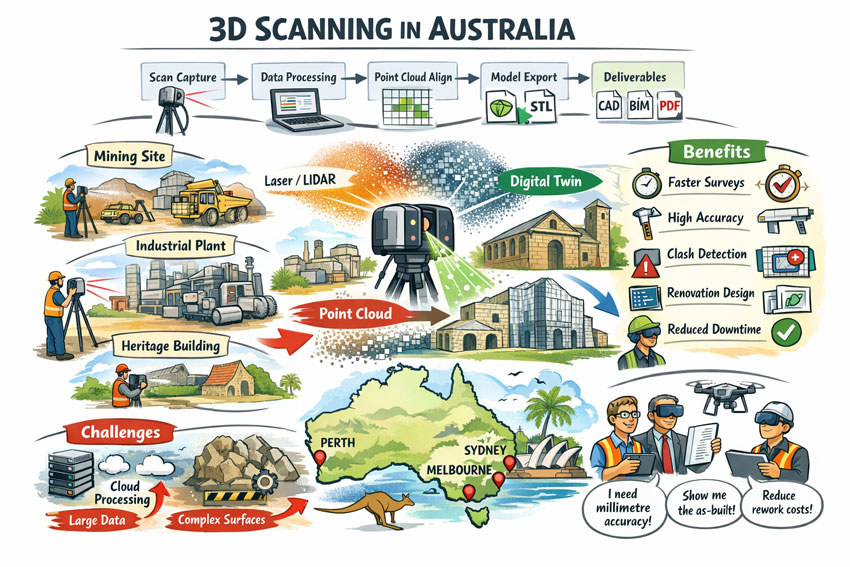
Innovation has always been the lifeblood of engineering, driving the relentless pursuit of precision, efficiency, and progress. In the field of measurement, where accuracy defines the success of a project, the evolution from traditional tools to modern 3D point cloud scanning has been nothing short of revolutionary. What was once a domain dominated by tape measures, calipers, and theodolites is now enhanced by cutting-edge technologies capable of capturing millions of data points in mere seconds. For engineers who thrive on precision, the advent of 3D point cloud scanning isn’t just a step forward—it is a leap into a new dimension of possibilities.
This essay explores why 3D point cloud scanning is superior to traditional measurement tools and how it has transformed industries reliant on meticulous measurements. From its unparalleled accuracy to its versatility across disciplines, 3D scanning has redefined what engineers can achieve. Moreover, understanding its historical context and transformative applications paints a vivid picture of its indispensability in modern engineering.
The Precision Revolution: Why Accuracy Matters
In engineering, precision is non-negotiable. Whether designing a suspension bridge, reverse-engineering a turbine, or analyzing a historical artifact, even the smallest measurement error can cascade into catastrophic results. Traditional measurement tools, such as rulers, micrometers, and even advanced total stations, have served well for centuries. However, they are inherently limited by human error, labor-intensive processes, and a lack of data richness.
Enter 3D point cloud scanning—a method capable of capturing reality in its entirety, down to sub-millimeter accuracy. Using lasers, structured light, or photogrammetry, these devices create dense clouds of data points that map every surface of an object or environment. This precision is not only reliable but repeatable, providing engineers with the confidence needed to tackle complex challenges. A tape measure might tell you the height of a column, but a 3D scanner reveals its curvature, texture, and deviations, offering insights that traditional tools simply cannot.
Speed Meets Sophistication: Efficiency Redefined
Time is often as critical as accuracy in engineering projects. Traditional methods of measurement require repetitive manual effort—measuring, recording, and verifying. This process, while effective, can be painstakingly slow, especially for large-scale projects such as construction sites, manufacturing plants, or natural landscapes.
3D point cloud scanning redefines efficiency. Imagine capturing a sprawling construction site, complete with every structural element, terrain feature, and anomaly, within hours. Such speed transforms workflows, allowing engineers to allocate time to analysis and design rather than tedious data collection. For example, laser scanners used in construction can document an entire building with intricate details, enabling real-time adjustments and reducing costly delays.
Moreover, this efficiency does not come at the expense of quality. A scanner’s ability to gather millions of data points in seconds ensures that no detail is overlooked, offering engineers a comprehensive dataset to work with.
Beyond Measurement: The Power of Data Richness
Traditional measurement tools excel at providing dimensions—length, width, and height. While sufficient for many applications, this linear data often falls short when dealing with irregular shapes, complex geometries, or intricate textures. The richness of data captured by 3D scanners, however, goes far beyond basic dimensions.
Point clouds provide a three-dimensional map of an object or space, capturing every nuance of its geometry. This data is invaluable in engineering disciplines such as reverse engineering, where understanding the intricacies of an object’s design is critical. For instance, when reconstructing a turbine blade, knowing its exact dimensions isn’t enough. Engineers need to understand its curvature, surface finish, and wear patterns—all of which are effortlessly captured by 3D scanning.
Furthermore, point clouds are digital assets, easily integrated into software like AutoCAD, Revit, and SolidWorks. This seamless compatibility enables engineers to create detailed models, run simulations, and even conduct structural analyses without revisiting the physical site. It is the bridge between physical and digital realms, offering possibilities limited only by imagination.
Non-Invasive Precision: The Gentle Touch of Technology
Engineers often face challenges where physical contact with a measurement object is either impractical or damaging. Traditional tools struggle in such scenarios, but 3D point cloud scanning thrives.
Take, for example, the preservation of historical monuments. Measuring tools like calipers or rulers could harm fragile artifacts or fail to capture their intricate details. Conversely, 3D scanners use non-contact methods to create accurate digital replicas, preserving the artifact’s integrity while providing a permanent record for future study. Similarly, in hazardous environments, such as inspecting a high-voltage power station or assessing structural damage post-earthquake, scanners allow engineers to collect precise data from a safe distance.
A Look Back: The Evolution of Measurement Tools
To appreciate the impact of 3D scanning, it’s worth understanding the tools it has replaced. The history of measurement dates back to ancient civilizations, where rudimentary tools like plumb bobs and measuring rods were used to construct awe-inspiring structures like the pyramids. Over centuries, tools evolved into more sophisticated instruments, including the theodolite for angular measurements and micrometers for minute details.
While these tools marked significant advancements, they remained limited by their analog nature and reliance on human skill. The 20th century introduced electronic and laser-based tools, bridging the gap between traditional methods and digital innovation. However, even these modern instruments are eclipsed by the capabilities of 3D point cloud scanning, which represents the culmination of centuries of progress in measurement technology.
Applications Across Industries: A Versatile Tool
The versatility of 3D scanning makes it indispensable in various engineering fields. In construction and architecture, it enables Building Information Modeling (BIM), where precise scans of a site are used to create digital twins. This helps architects and engineers visualize and plan projects with unmatched accuracy.
In manufacturing, 3D scanners streamline quality control by detecting defects or deviations from design specifications. They also facilitate reverse engineering, allowing engineers to replicate or improve existing products.
In surveying and mapping, scanners revolutionize topographical surveys by capturing vast terrains in remarkable detail. This data aids urban planning, flood risk analysis, and infrastructure development. Even in healthcare, engineers rely on 3D scans to design prosthetics and surgical implants tailored to individual patients.
Each application underscores the scanner’s ability to adapt to diverse challenges, proving its superiority over traditional tools.
Challenges with Traditional Tools: Lessons from the Past
Traditional tools, despite their utility, often fell short in large-scale projects. Consider the surveying of a mountainous region using theodolites—a task requiring days, if not weeks, of effort, with no guarantee of perfect accuracy. Similarly, in manufacturing, calipers and gauges might miss microscopic defects that compromise product quality. These limitations highlight the need for tools capable of capturing comprehensive and precise data.
Looking Forward: The Future of 3D Scanning
The future of 3D scanning is bright. Advances in technology promise even faster scanning, higher resolutions, and better integration with artificial intelligence and augmented reality. Engineers will soon work with real-time 3D data overlaid on physical objects, enabling on-the-spot analysis and decision-making.
A Paradigm Shift in Measurement
For engineers, measurement is more than a task—it is the foundation of innovation. The transition from traditional tools to 3D point cloud scanning represents a paradigm shift, offering unparalleled accuracy, efficiency, and versatility. Whether documenting the past, designing the present, or envisioning the future, 3D scanning empowers engineers to achieve what was once thought impossible. In embracing this technology, the engineering community not only enhances its craft but also lays the groundwork for a future where precision knows no bounds.
Our FEA Projects
Recent News & Reports on 3D Scanning / LiDAR / Laser Scanning
How AI & 3D Scanning Will Shape Manufacturing in 2025 Explores integration of scanning + AI in manufacturing sectors. https://manufacturingdigital.com/articles/ai-3d-scanning-impacting-manufacturing-verticals Manufacturing Digital
To provide the best experiences, we use technologies like cookies to store and/or access device information. Consenting to these technologies will allow us to process data such as browsing behaviour or unique IDs on this site. Not consenting or withdrawing consent, may adversely affect certain features and functions.
Functional
Always active
The technical storage or access is strictly necessary for the legitimate purpose of enabling the use of a specific service explicitly requested by the subscriber or user, or for the sole purpose of carrying out the transmission of a communication over an electronic communications network.
Preferences
The technical storage or access is necessary for the legitimate purpose of storing preferences that are not requested by the subscriber or user.
Statistics
The technical storage or access that is used exclusively for statistical purposes.The technical storage or access that is used exclusively for anonymous statistical purposes. Without a subpoena, voluntary compliance on the part of your Internet Service Provider, or additional records from a third party, information stored or retrieved for this purpose alone cannot usually be used to identify you.
Marketing
The technical storage or access is required to create user profiles to send advertising, or to track the user on a website or across several websites for similar marketing purposes.