The forestry and timber processing industries operate in demanding environments where productivity, reliability, and equipment performance directly influence profitability. Whether processing logs, handling timber products, operating sawmills, or managing materials handling systems, machinery downtime and inefficiencies can significantly affect production output and operating costs.
Modern engineering is moving beyond traditional design approaches and increasingly using digital engineering tools to optimise equipment before fabrication and installation begins.
At Hamilton By Design, we combine engineering-grade 3D LiDAR scanning, 3D modelling, and Finite Element Analysis (FEA) to support forestry and timber processing operations by delivering machinery and engineered systems designed for productivity, reliability, and long-term return on investment.
Designing for More Than Initial Cost
The lowest purchase price does not always provide the lowest operating cost.
Machinery and processing systems can incur substantial ongoing costs through:
- Excessive wear
- Unplanned maintenance
- Downtime
- Energy consumption
- Material build-up
- Inefficient layouts
- Reduced production capacity
- Premature equipment failure
Engineering decisions made during the design stage can influence the total lifecycle cost of equipment for many years after installation.
The objective is not simply designing machinery that works.
The objective is designing machinery that continues to perform efficiently throughout its operational life.
Engineering-Grade 3D LiDAR Scanning
For existing timber processing plants and brownfield facilities, one of the biggest challenges is understanding current conditions accurately.
Many facilities contain:
- Existing conveyors
- Timber processing machinery
- Structural steel
- Pipework
- Platforms and access systems
- Building constraints
- Historical modifications
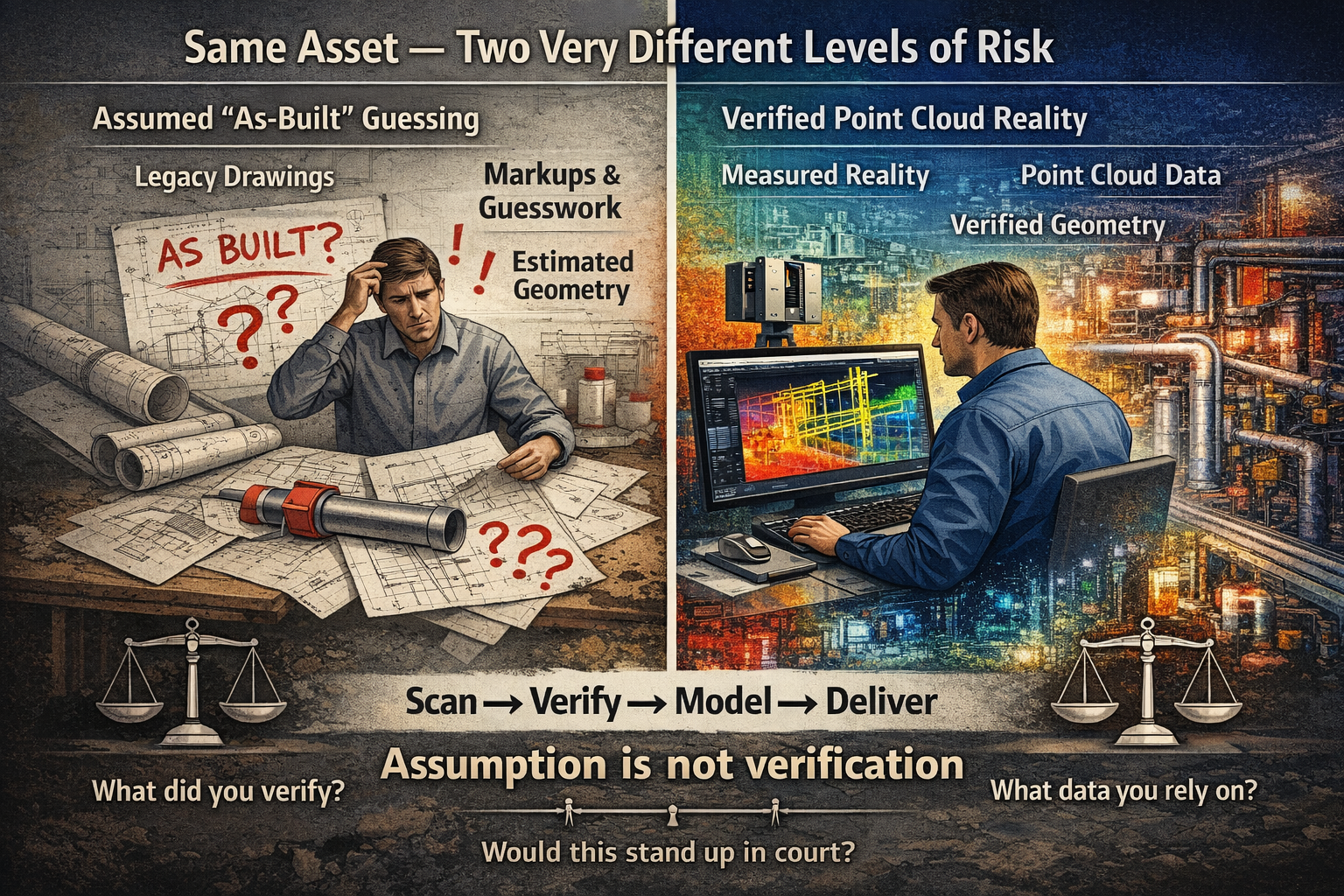
Outdated drawings or manual measurements can introduce risk into engineering projects.
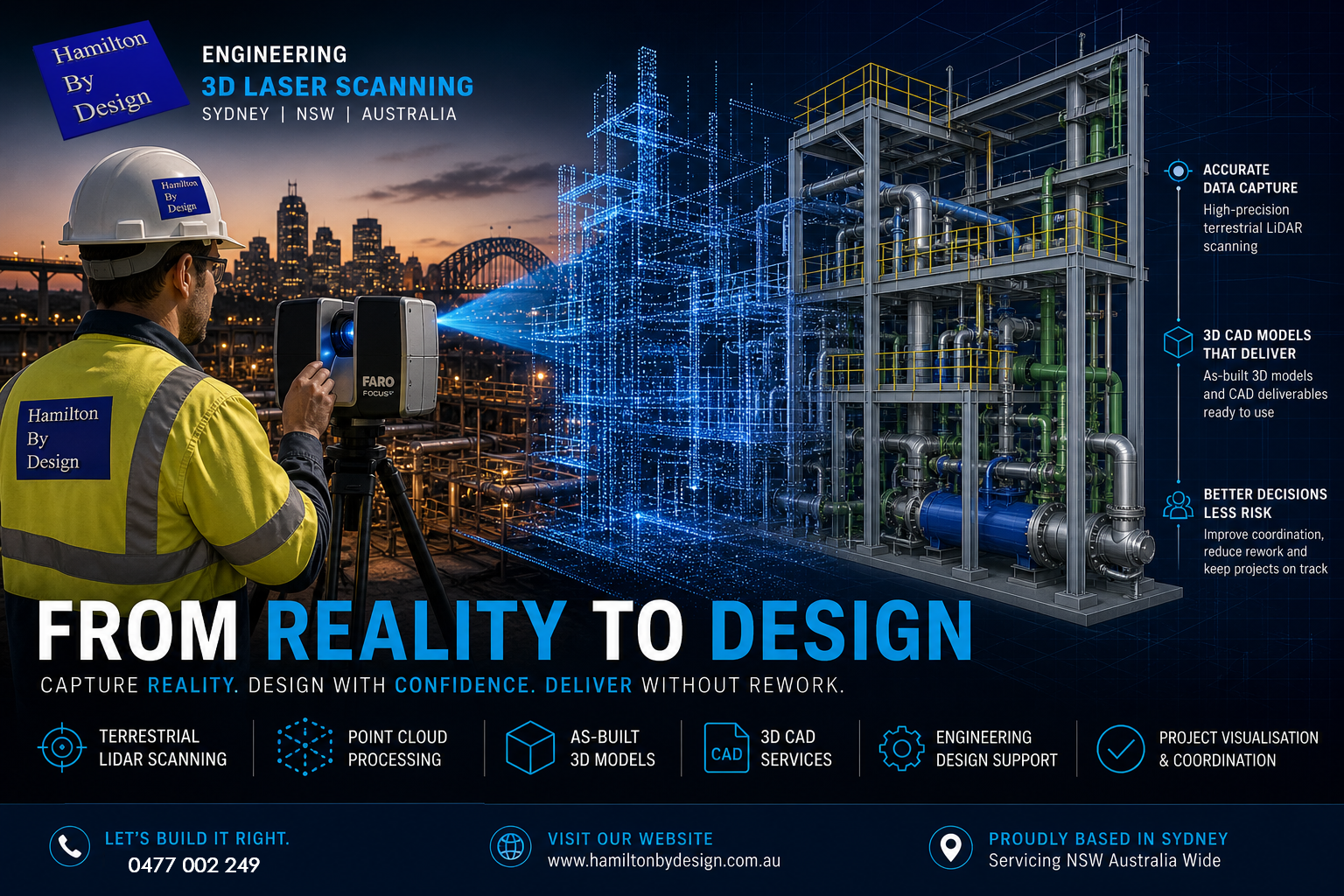
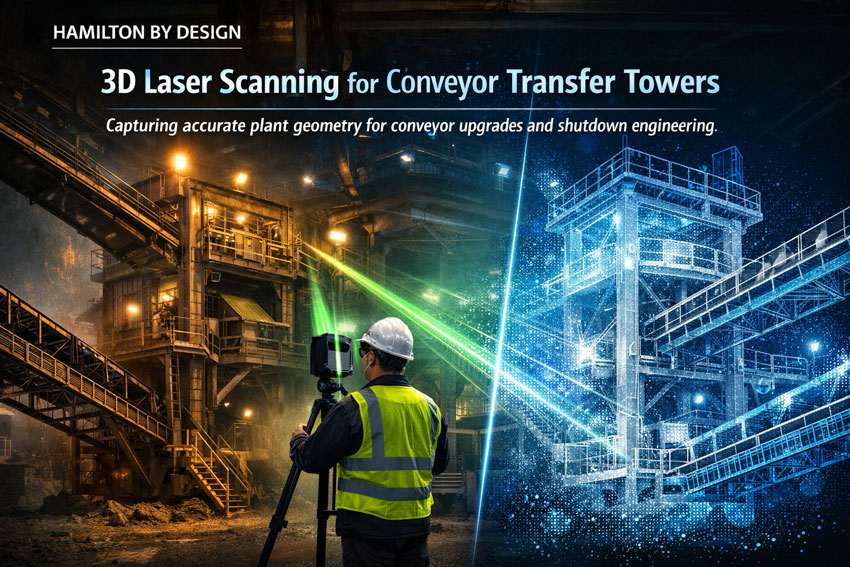
Hamilton By Design uses engineering-grade 3D LiDAR scanning to capture accurate existing conditions and generate high-quality point cloud data.
This provides:
- Accurate plant geometry
- Existing condition verification
- Reduced design assumptions
- Improved fit-up accuracy
- Reduced installation risk
- Faster project development
Rather than designing around assumptions, engineering decisions can be based on actual site information.
3D Modelling for Better Project Outcomes
Once site information has been captured, point cloud data can be converted into editable engineering models.

3D modelling provides benefits including:
- Improved visualisation
- Clash detection
- Layout optimisation
- Equipment integration
- Fabrication planning
- Improved communication
For forestry and timber processing projects this may include:
- Log handling systems
- Conveyors
- Transfer systems
- Chutes
- Processing equipment
- Access platforms
- Structural modifications
- Production upgrades
Digital models help identify issues before they become site problems.
Finite Element Analysis (FEA)
Engineering performance extends beyond appearance and fit-up.
Equipment must withstand:
- Dynamic loading
- Material impacts
- Fatigue
- Wear
- Structural loading
- Operational forces
Hamilton By Design can support projects through Finite Element Analysis (FEA) to evaluate equipment and structural performance before fabrication begins.
FEA can assist with:
- Stress assessment
- Deflection analysis
- Structural performance
- Design optimisation
- Weight reduction opportunities
- Reliability improvements
Rather than overdesigning equipment or relying on assumptions, designs can be refined using measurable engineering information.
Maximising Return on Investment
A successful project should not simply focus on reducing initial capital cost.
The real value often comes from:
- Increased production rates
- Reduced maintenance costs
- Improved reliability
- Reduced downtime
- Improved safety
- Lower lifecycle costs
- Longer equipment life
- Improved operational efficiency


Engineering decisions made early in a project often have long-term financial impacts.
How Hamilton By Design Supports Forestry and Timber Processing
Hamilton By Design combines digital engineering tools with practical engineering experience to support projects from concept through to delivery.
Our services include:
- Engineering-grade 3D LiDAR scanning
- Scan-to-CAD workflows
- 3D modelling
- Mechanical engineering design
- Finite Element Analysis (FEA)
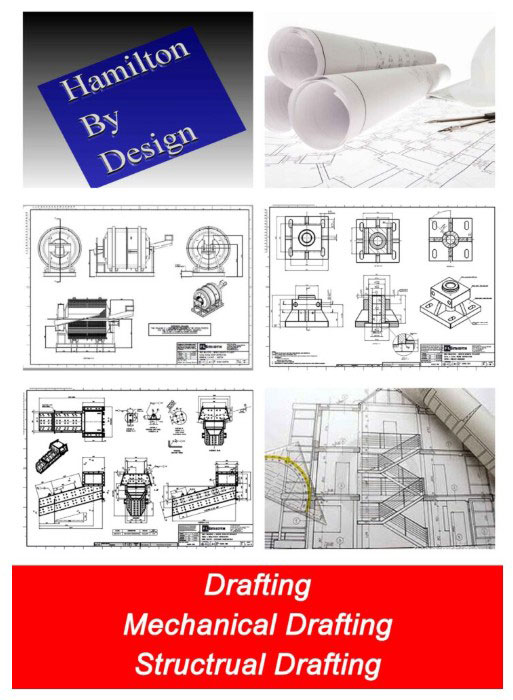
- Engineering drawings
- Fabrication documentation
- Existing condition verification
- Brownfield project support
By integrating reality capture, digital modelling, and engineering analysis, projects can move from assumptions toward measurable engineering outcomes.
The goal is simple:
Design machinery and systems that maximise productivity while delivering stronger long-term returns on investment.