Chute Design at Hamilton By Design

Chute Design at Hamilton By Design

At Hamilton by Design, we see ourselves as more than engineers โ€” we are problem-solvers who bring both science and experience to the table. Every bulk material transfer is unique, and each one carries its own challenges. By combining the principles of particle physics with decades of hands-on site experience, we design chutes and transfer points that perform in the real world, not just on a computer screen.

We are a small, specialised company, not a large corporate machine. That means you deal directly with the people who understand your operation, your materials, and your challenges. We take pride in our ability to stand on-site, watch the flow of material, and recognise behaviours that only years of experience can teach. This gives us the clarity to engineer practical solutions that keep your plant running reliably.

For us, your success is our success. We measure our achievement not by the number of projects we complete, but by the value we add to your operation โ€” less dust, less wear, fewer stoppages, more tonnes moved.

Learn more about our approach and solutions Hamilton By Design – Chute Design


Our clients:

Name
Would you like us to arrange a phone consultation for you?
Address

Mechanical
Engineering
| Structural
Engineering

3D LiDAR scanning and 3D modelling service button โ€” laser scanner capturing a point cloud for engineering and CAD modelling
Mechanical engineering services

Mechanical
Drafting
| Structural
Drafting

3D
Laser Scanning
| 3D
CAD Modelling
| 3D
Scanning

SolidWorks
Contractors in Australia

Hamilton By Design โ€“ Blog

Consulting Engineers

About Us โ€“
Hamilton By Design

Chute Design At Hamilton By Design

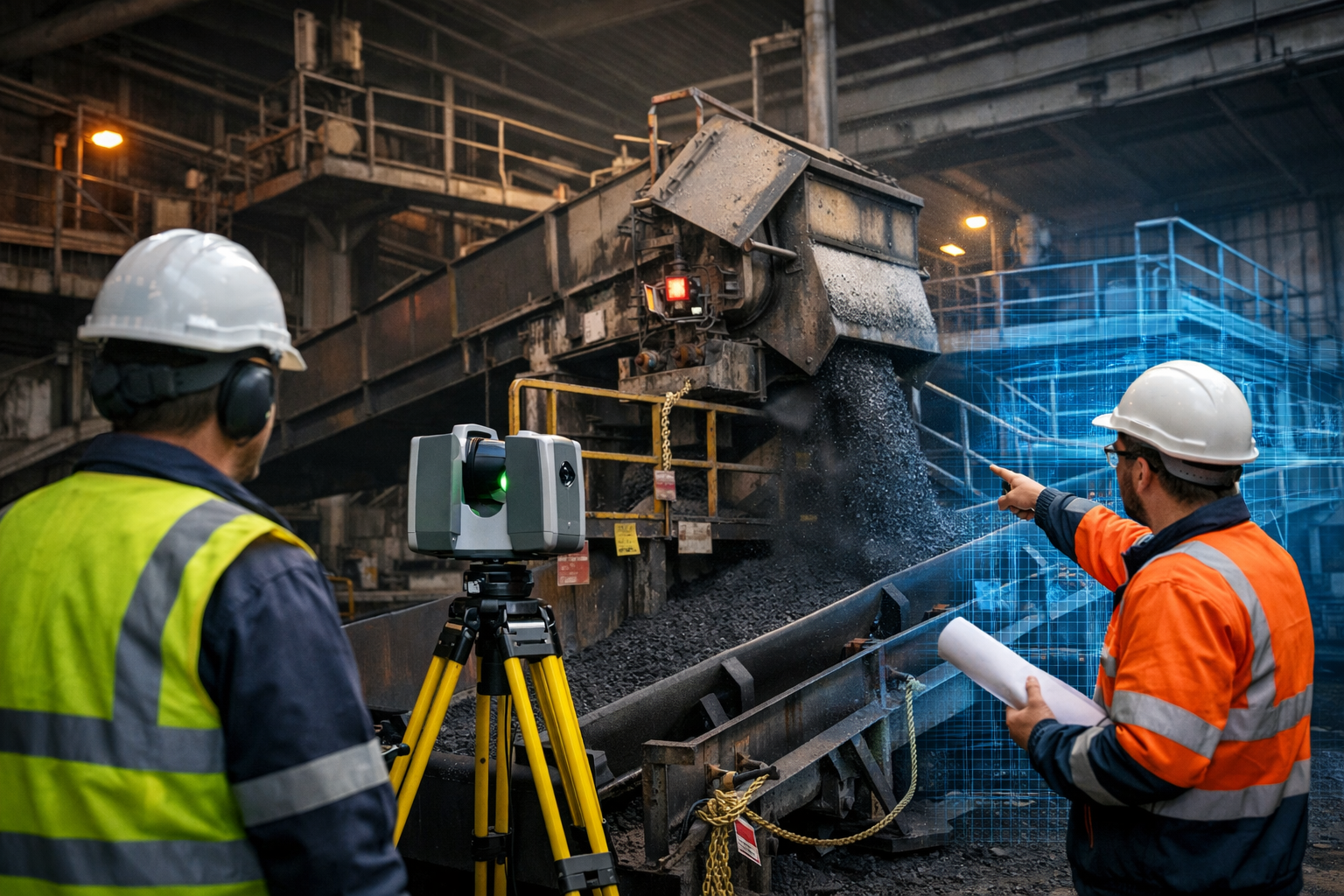
Coal plant shutdown engineering using a 3D laser scanner to capture conveyor and transfer chute infrastructure.

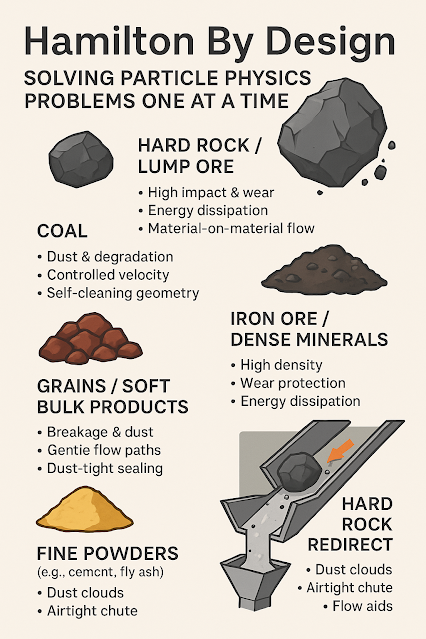
At Hamilton by Design, we believe that every bulk material transfer is an opportunity for improvement. What appears to be a simple flow of rock, coal, grain, or powder is, in reality, a particle physics problem waiting to be solved. By approaching these challenges with precision, creativity, and hands-on knowledge, we deliver chute designs that do more than move material โ€” they protect assets, enhance performance, and improve the bottom line.

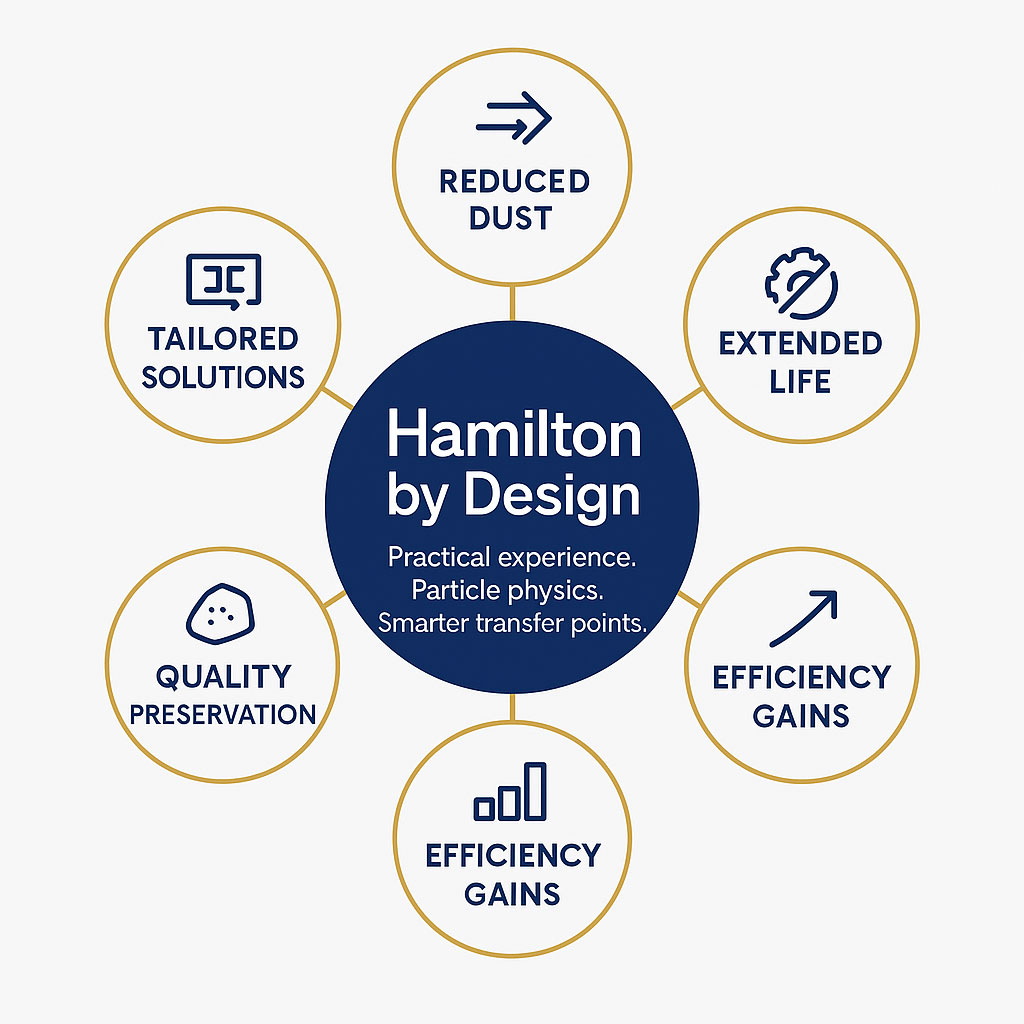
Infographic showing Hamilton By Design in a central blue circle with the text โ€˜Practical experience. Particle physics. Smarter transfer points.โ€™ Surrounding circles highlight benefits: reduced dust, extended life, efficiency gains, quality preservation, and tailored solutions.
3D LiDAR scanning and 3D modelling service button โ€” laser scanner capturing a point cloud for engineering and CAD modelling
Mechanical engineering services

We are a small, specialised company with a wealth of on-site experience. Our engineers have spent years in the field, watching, listening, and learning how different materials behave under real conditions. This raw experience gives us a unique advantage: we can see and understand particle flow first-hand, not just through numbers on a screen. While many large organisations rely solely on computer models, we combine advanced simulation with practical insight, ensuring solutions that work not only in theory but also in practice.

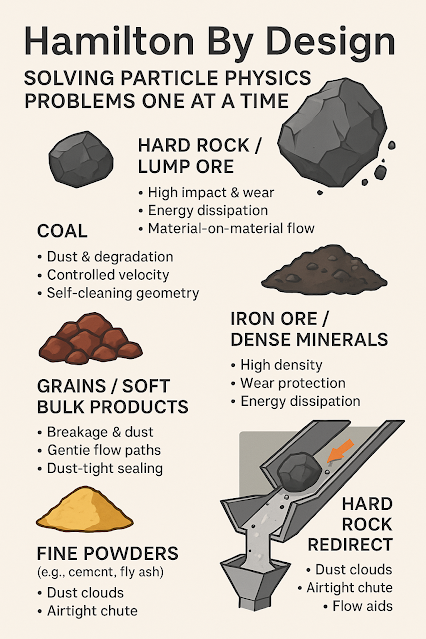
Our team thrives on solving the complex problems others overlook:

  • Redirecting hard rock at speed without spillage or damage.
  • Handling sticky coal without blockages or hang-ups.
  • Containing fine powders without dust plumes or health risks.
  • Transferring fragile grains without breakage or product loss.
  • Extending chute, liner, and belt life with robust material-on-material flow designs.

We approach every challenge with the mindset that your success is our success. When your plant runs reliably, safely, and efficiently, we succeed alongside you. Thatโ€™s why we design transfer points that:

  • Absorb and dissipate energy from high-impact lumps.
  • Control dust and minimise degradation for cleaner, safer operations.
  • Extend equipment life by reducing wear and maintenance.
  • Adapt to variability in feed size, flow, and moisture.
  • Boost throughput and availability by minimising stoppages.

In a world where margins are tight and environmental responsibility is critical, Hamilton by Design offers a personal, client-focused approach that puts performance and partnership at the centre. We are not a large organisation pushing generic solutions โ€” we are a dedicated team that listens, observes, and engineers smarter outcomes, one particle physics problem at a time.

Our clients:


For more information, Coal Chute Design

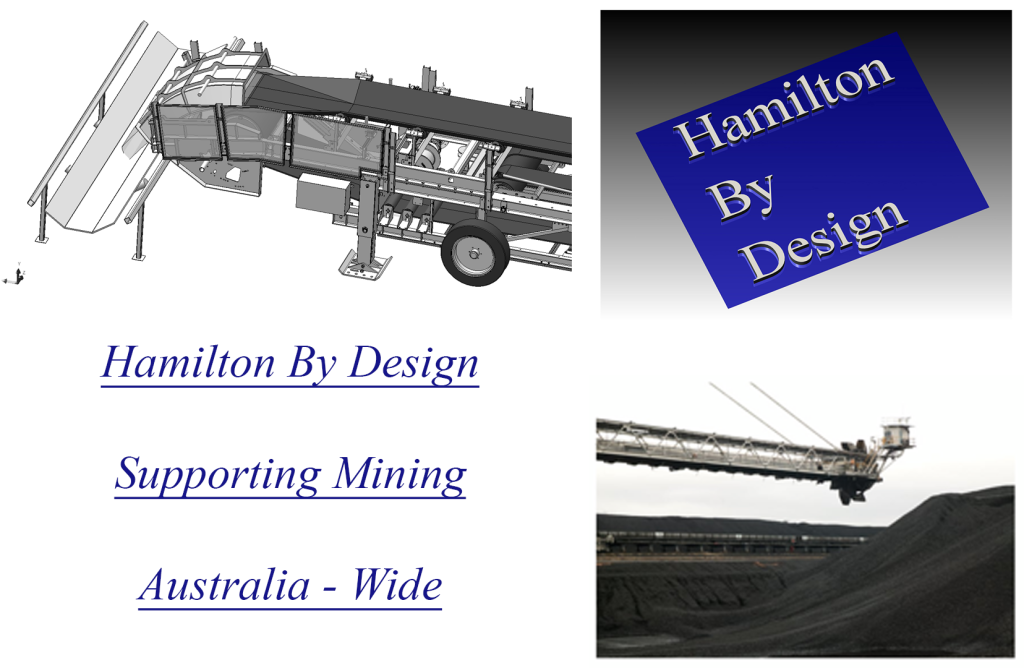
Hamilton By Design logo displayed on a blue tilted rectangle with a grey gradient background


Name
Would you like us to arrange a phone consultation for you?
Address
Reality Capture Brisbane title graphic with white text on a blue background promoting reality capture, LiDAR scanning and digital engineering services in Brisbane, Queensland.
3D Scanning Brisbane text graphic on a blue background promoting engineering-led laser scanning and reality capture services in Brisbane.

LiDAR Scanning Brisbane title graphic with white text on a blue background promoting terrestrial LiDAR scanning, point cloud capture and reality capture services in Brisbane, Queensland.
SolidWorks Brisbane title graphic with white text on a blue background promoting SolidWorks mechanical design, 3D CAD modelling and engineering drafting services in Brisbane, Queensland.


3D Scanning Sydney banner promoting engineering-grade 3D laser scanning, LiDAR scanning, and reality capture services by Hamilton By Design.
Mechanical Engineering Sydney banner with white text on a blue background representing Hamilton By Design's mechanical engineering services in Sydney.
Mechanical Drafting and 3D Modelling Sydney banner highlighting Hamilton By Design's CAD drafting, 3D modelling, and engineering design services in Sydney.

Mechanical Engineering | Structural Engineering


Conveyor Drives in U/ground Coal

Operation, Design Challenges, and the Role of Direct Drive Units
In the highly demanding and regulated world of underground coal mining, the reliable and efficient transport of coal from the mining face to the surface is critical. Among the many systems involved in this process, conveyor drives play a pivotal role. These systems are tasked with powering conveyor belts that haul coal over long distances through often confined and hazardous environments. A vital part of this setup includes the use of direct drive units (DDUs), particularly in low-profile applications such as underground operations.

This document explores the functionality of conveyor drives in underground coal mines, the unique challenges faced in their operation, the complexities design engineers encounter in their development, and the concept of the phase “outbye”โ€”a term widely used in underground mining to describe the direction and location of operations.


Conveyor Drives in Underground Coal Mining

A conveyor drive is a mechanical system that powers conveyor belts used to transport materials, in this case, coal. In underground mines, these conveyor belts often run for several kilometers, extending from the coal face (the area where coal is actively being cut and mined) to the shaft or drift that brings the coal to the surface.

The drive systems can be located at several points along the belt:

  • Head drive: Located at the discharge end of the conveyor.
  • Tail drive: Located at the loading end.
  • Mid-belt drives: Installed partway along long conveyors to help manage torque and reduce belt tension.

In the context of underground coal mines, the term “conveyor drive” is generally associated with the head or tail drive unit, which powers the movement of the belt.


Role of Direct Drive Units (DDUs)

Direct Drive Units are electric motors directly coupled to the drive shaft of the conveyor pulley, eliminating the need for intermediary gearboxes or belt drives. These units are especially advantageous in underground mining due to their compact design, reliability, and reduced maintenance.

Benefits of DDUs in Underground Coal Mines

  1. Compact Size: Ideal for low-profile mining applications where vertical space is restricted.
  2. Energy Efficiency: With fewer mechanical components, DDUs offer less friction and mechanical losses.
  3. Lower Maintenance: No gearboxes or belt couplings to service.
  4. Increased Reliability: Fewer parts mean fewer failure points.
  5. Improved Safety: The enclosed design minimizes exposure to moving parts and flammable materials.

Australian Mining, Hamilton By Design, Mechanical Engineering

Operational Challenges of Conveyor Drives Underground

Underground coal mining presents a set of challenges not commonly encountered in surface operations. Conveyor drives, as the lifeblood of coal transportation, are central to these operational difficulties.

1. Space Constraints

Underground roadways are typically narrow and low, especially in coal seams with minimal thickness. This limitation forces the use of low-profile conveyor systems, which in turn limits the size and configuration of the drive units.

2. Dust and Moisture Exposure

Coal dust is highly abrasive and, in certain concentrations, explosive. Moisture from groundwater or the mining process further complicates the reliability of drive components. Ensuring DDUs are properly sealed and rated for these harsh conditions is critical.

3. Heat and Ventilation

Electric motors generate heat, which must be dissipated. However, underground mines have limited ventilation. Overheating can be a major issue, requiring cooling systems or specialized motor enclosures.

4. Explosion-Proof Requirements

Due to the potential presence of methane gas and coal dust, all electrical equipment, including conveyor drives, must comply with stringent explosion-proof standards (e.g., IECEx or ATEX ratings).

5. Long Haul Distances

Modern coal faces can be several kilometers from the shaft bottom. Transporting coal over long distances places mechanical stress on conveyor belts and drive units, increasing the risk of failure if not properly engineered.

6. Maintenance Access

Accessing conveyor drives for inspection or maintenance can be difficult in tight underground environments. Failures that require replacement or repair can cause significant production delays.

7. Load Variability

The volume of coal being hauled can vary significantly during a shift, which places variable demands on the drive system. The control systems must be able to accommodate fluctuating loads without mechanical strain.


Hamilton By Design promotional graphic featuring industrial machinery imagesโ€”including a rotating mill, preventive maintenance gears, and a coal conveyorโ€”alongside the Hamilton By Design logo and the text โ€˜Mechanical Engineers โ€“ www.hamiltonbydesign.com.auโ€™.โ€

Engineering and Design Challenges

Design engineers are tasked with creating conveyor drive systems that are not only robust and efficient but also compact and compliant with mining regulations. Some of the key design challenges include:

1. System Integration in Confined Spaces

Engineering a system that fits into limited space while delivering the necessary power is a fundamental challenge. Direct drive units help address this by eliminating gearboxes, but the motor itself must still be sized correctly.

2. Material Selection

Materials used must be corrosion-resistant, non-sparking, and capable of withstanding vibration, dust ingress, and moisture. This often limits design options and increases costs.

3. Thermal Management

Ensuring that the drive units do not overheat requires careful thermal modeling and the use of heat-resistant components. In some cases, passive or active cooling systems are integrated.

4. Compliance with Standards

Designs must adhere to a host of mining and electrical standards for flameproof and intrinsically safe equipment. Certification processes can be lengthy and expensive.

5. Modularity and Transportability

Since access to underground sites is limited, equipment must be modular or transportable in pieces small enough to be moved through shafts or drifts. Assembling and commissioning underground adds another layer of complexity.

6. System Control and Monitoring

Advanced drives require smart control systems that can adjust to load demands, monitor for faults, and integrate with mine-wide automation systems. Designing these systems requires interdisciplinary expertise.

7. Redundancy and Reliability Engineering

System failure underground can halt production and pose safety risks. Engineers must design for redundancy and easy switch-over between drive systems when necessary.


Understanding the Term โ€œOutbyeโ€

In underground mining terminology, directionality is essential for communication and logistics. The terms โ€œinbyeโ€ and โ€œoutbyeโ€ are commonly used to describe relative directions underground.

What Does โ€œOutbyeโ€ Mean?

  • Outbye refers to the direction away from the coal face and toward the surface or the mine entrance.
  • Conversely, inbye means toward the coal face.

For example:

  • If a miner is walking from the coal face toward the conveyor belt transfer station, they are walking outbye.
  • If a service vehicle is heading toward the longwall face, it is moving inbye.

Relevance of โ€œOutbyeโ€ in Conveyor Systems

In conveyor operations:

  • The coal face is the inbye starting point.
  • The belt head drive and transfer points to the main conveyor system are located outbye.
  • Maintenance and service activities often take place outbye to avoid interfering with production at the face.

Understanding this term is critical for coordinating activities underground, as directions are often communicated using inbye and outbye references rather than compass points or distances.


Digital engineering graphic featuring a central robotic arm icon surrounded by futuristic interface elements, cloud and AI symbols, and motion-blurred technology backgrounds. The SolidWorks logo appears on the left and the Hamilton By Design logo on the right, representing advanced 3D modelling and digital engineering capabilities.

The mining industry continues to evolve, and conveyor drive systems are no exception. Some of the emerging trends and technologies include:

1. Variable Speed Drives (VSDs)

VSDs allow precise control over motor speed and torque, improving efficiency and reducing mechanical stress. They are increasingly paired with direct drive units to optimize performance.

2. Condition Monitoring

Sensors embedded in motors and drive systems can provide real-time feedback on vibration, temperature, and load. Predictive maintenance models reduce downtime.

3. Permanent Magnet Motors

These motors offer higher efficiency and torque density compared to traditional induction motors, making them well-suited for space-constrained environments.

4. Automation and Remote Control

Fully integrated systems that allow operators to monitor and control conveyor drives from surface control rooms are becoming standard.

5. Modular, Plug-and-Play Designs

Future drive units are being designed with ease of installation and replacement in mind, enabling faster deployment and lower maintenance impact.


Conclusion

Conveyor drive systems in underground coal mining are vital to the continuous flow of material and, by extension, the productivity of the entire mining operation. The adoption of direct drive units is helping to meet the unique demands of underground environments by providing compact, reliable, and efficient power transmission solutions.

However, these systems are not without their challenges. From the operational constraints of underground environments to the rigorous demands placed on design engineers, the development and maintenance of these systems require specialized knowledge, innovative thinking, and strict adherence to safety standards.

Moreover, understanding mining-specific terminology such as “outbye” provides important context for the deployment and maintenance of conveyor systems. As technology continues to advance, we can expect to see more intelligent, adaptive, and efficient conveyor drive systems that are better suited to the evolving demands of underground coal mining.

3D LiDAR scanning and 3D modelling service button โ€” laser scanner capturing a point cloud for engineering and CAD modelling
Mechanical engineering services

#CoalMining #EngineeringSolutions #MechanicalEngineering #ConveyorSystems #MiningIndustry #UndergroundMining #AustralianEngineering #HamiltonByDesign

Hamilton By Design | Mechanical Drafting | Structural Drafting | 3-D Lidar Scanning

Finite Element Analysis (FEA) engineering simulation button
Mechanical engineering services

How Mechanical Engineers Are Powering Mining on the Central Coast

Mechanical Engineers Are Powering Mining

The Central Coast of New South Wales is more than just pristine beaches and a relaxed lifestyle. Beneath its surface lies a strong industrial and mining support sector where mechanical engineers are playing a vital role in modernising, maintaining, and innovating heavy machinery and infrastructure.

At Hamilton By Design, we specialise in mechanical engineering consulting services across Australiaโ€”including support for clients right here on the Central Coast. Visit us at ๐Ÿ‘‰ www.hamiltonbydesign.com.au to explore our services.


๐Ÿ‘ท Why Mechanical Engineering Matters in Mining

Mechanical engineers are the invisible backbone of mining operations. In Central Coast-based support industries and nearby projects like Wallarah 2, mechanical engineers handle:

  • Design & Drafting of Mining Infrastructure

  • Maintenance Systems for Plant and Equipment

  • Automation, Robotics, and Sensor Integration

  • Environmental Engineering for Emission Reduction

  • Reliability and Safety Auditing

Whether it’s conveyor systems, processing plants, underground ventilation, or mobile plant maintenance, mechanical engineers ensure it all runs smoothly, safely, and efficiently.


๐Ÿ“ Mechanical Engineering Jobs on the Central Coast

The Central Coast is home to a growing number of engineering-based businesses and industrial hubs:

  • Somersby, Tuggerah, and Lisarow host major mechanical and fabrication workshops.

  • Companies like Wabtec, Coffey, and Boral regularly seek mechanical engineers.

  • The region supports jobs ranging from drafting and design to hands-on site-based maintenance.

At Hamilton By Design, we provide the expertise and consulting support these businesses needโ€”structural drafting, 3D laser scanning, plant design, and more.

๐Ÿ‘‰ Want to collaborate? Visit us at www.hamiltonbydesign.com.au


๐Ÿ”ง Trends Shaping Mechanical Engineering in Mining

If you’re working in, or supplying to, the mining industry, here are five key trends affecting mechanical engineers today:

  1. Automation & Remote Control Systems

  2. Data-Driven Predictive Maintenance

  3. Sustainable Design and Energy Efficiency

  4. Digitisation via Lidar & 3D Scan Models

  5. Multi-disciplinary Integration (Mech + Elec + Struct)

Hamilton By Design helps clients stay ahead of these trends with cutting-edge tools, qualified engineering support, and experienced consultants.


๐Ÿง‘โ€๐Ÿญ Training Pathways for Engineers on the Coast

  • TAFE NSW offers mechanical engineering and drafting training.

  • Central Coast Council and local employers provide apprenticeships and work experience.

  • Many local high schools and programs now promote STEM and engineering career pathways.

Are you a contractor, project manager, or engineering lead on the Coast looking for expert support? We’re ready to help.

๐Ÿ‘‰ Contact us at www.hamiltonbydesign.com.au


๐ŸŒŠ Why Base Yourself on the Central Coast?

  • Easy access to Newcastle and Sydney mining regions

  • Affordable living and coastal lifestyle

  • Thriving local industry with national project links

Whether youโ€™re managing a plant upgrade or need detailed mechanical drawings for a site modification, Hamilton By Design has the skills and tools to support your project.


Letโ€™s Talk Engineering

Hamilton By Design is a trusted name in mechanical and structural design, offering:

Mechanical design & consulting
Structural drafting
Lidar scanning & 3D modelling
Australia-wide service reach

Visit: www.hamiltonbydesign.com.au
Email: [email protected]


Your Central Coast Engineering Partner โ€“ Hamilton By Design
Supporting Australian mining and industry with precision and experience.


#CentralCoast #MechanicalEngineering #MiningSupport #HamiltonByDesign #EngineeringConsultants #MiningInnovation #NSWIndustry #LidarScanning #PlantDesign


ย 
ย 
ย 
Hamilton By Design logo displayed on a blue tilted rectangle with a grey gradient background
3D LiDAR scanning and 3D modelling service button โ€” laser scanner capturing a point cloud for engineering and CAD modelling
Mechanical engineering services

Our cliest:

Name
Would you like us to arrange a phone consultation for you?
Address
3D LiDAR scanning services on the Central Coast providing engineering-grade laser scanning, point cloud capture, scan-to-CAD modelling and industrial reality capture for infrastructure and industrial projects.
Drafting services on the Central Coast providing engineering drawings, fabrication detailing, as-built documentation, reverse engineering and CAD drafting for industrial and infrastructure projects.
Mechanical engineering services on the Central Coast providing industrial design, plant inspections, pump calculations, reverse engineering and engineering support for manufacturing, infrastructure and heavy industry projects.
Finite Element Analysis (FEA) engineering simulation button
Mechanical engineering services

3D Scanning Sydney banner promoting engineering-grade 3D laser scanning, LiDAR scanning, and reality capture services by Hamilton By Design.
Mechanical Engineering Sydney banner with white text on a blue background representing Hamilton By Design's mechanical engineering services in Sydney.
Mechanical Drafting and 3D Modelling Sydney banner highlighting Hamilton By Design's CAD drafting, 3D modelling, and engineering design services in Sydney.

Mechanical Engineering | Structural Engineering


Enhancing Plant Efficiency with Best Maintenance Practices: A White Paper by Hamilton By Design

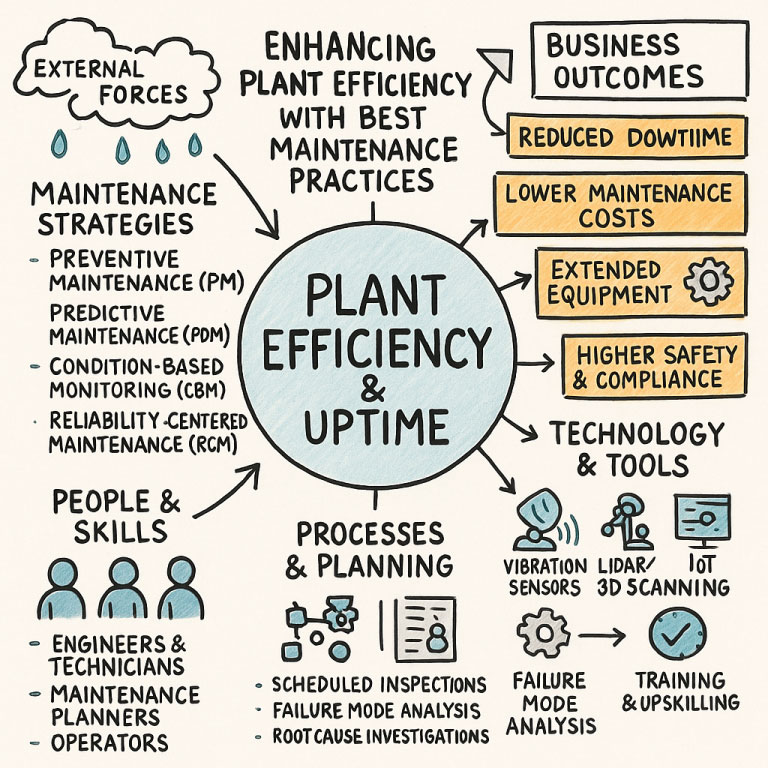
Hand-drawn infographic titled โ€œPlant Efficiency & Uptime,โ€ showing the key elements that enhance plant performance. Surrounding the central circle are categories including maintenance strategies (PM, PDM, CBM, RCM), people and skills (engineers, technicians, planners, operators), processes and planning (inspections, failure mode analysis, root-cause investigations), and technology and tools (vibration sensors, LiDAR/3D scanning, IoT, training). Benefits highlighted include reduced downtime, lower maintenance costs, extended equipment life, and higher safety and compliance.

ย 

In todayโ€™s competitive industrial landscape, maintaining high levels of Overall Equipment Effectiveness (OEE) is a cornerstone of operational success. Achieving this requires adopting advanced maintenance practices that minimize downtime, reduce operational costs, and extend the lifecycle of critical assets.

This white paper outlines best maintenance practices aligned with the ISO 18436.2 standard and highlights how Hamilton By Design’s team of mechanical engineers can partner with your organization to enhance your plantโ€™s OEE. By leveraging our expertise in condition-based and predictive maintenance, we can optimize equipment performance and drive measurable improvements in productivity and reliability.

The Role of Maintenance in Maximizing OEE

OEE is a comprehensive measure of manufacturing productivity, defined by three critical components:

  1. Availability: Minimizing downtime to maximize operational hours.
  2. Performance: Ensuring equipment runs at optimal speeds.
  3. Quality: Reducing defects and waste during production.

Maintenance strategies are key to influencing these factors. Moving beyond reactive approaches to predictive and condition-based maintenance can significantly enhance equipment reliability and efficiency, ensuring better alignment with OEE goals.


Adopting Best Maintenance Practices

Condition-Based Maintenance (CBM)

CBM involves monitoring the real-time condition of equipment to predict and prevent failures. At Hamilton By Design, we integrate cutting-edge technologies like vibration analysis, thermography, and ultrasonic testing to enable proactive interventions before problems escalate.

How CBM Enhances OEE:
  • Reduces unplanned downtime (Availability).
  • Maintains consistent performance by addressing issues early (Performance).
  • Prevents production disruptions that cause defects (Quality).

Predictive Maintenance (PdM)

Predictive maintenance leverages data analytics to anticipate potential failures. By applying ISO 18436.2-certified practices, we implement advanced diagnostic tools and algorithms to forecast maintenance needs with precision.

Our Approach:
  • Deploy vibration analysis tools managed by certified Level II and III analysts.
  • Use infrared thermography to detect heat anomalies in electrical and mechanical systems.
  • Employ ultrasonic testing to identify leaks and structural weaknesses.
Benefits for OEE:
  • Prolonged equipment lifespan by addressing issues at their inception.
  • Higher productivity with fewer interruptions.
  • Reduced maintenance costs through targeted interventions.

Reliability-Centered Maintenance (RCM)

RCM focuses on optimizing maintenance strategies for each asset, emphasizing a deep understanding of failure modes and effects. Our engineers employ RCM to prioritize maintenance tasks that align with your plant’s specific OEE goals.

Steps We Implement:
  1. Asset Function Analysis: Understanding the purpose and criticality of each asset.
  2. Failure Mode and Effects Analysis (FMEA): Identifying risks and developing mitigation strategies.
  3. Data-Driven Decision Making: Using condition monitoring data to guide maintenance schedules.
Impact on OEE:
  • Ensures maintenance is aligned with production priorities.
  • Reduces waste and rework caused by unexpected equipment malfunctions.

Leveraging ISO 18436.2 Standards

ISO 18436.2 defines the competencies required for condition monitoring personnel, ensuring a standardized approach to predictive maintenance. Hamilton By Designโ€™s mechanical engineers are certified under this standard, offering expertise in:

  • Vibration analysis for detecting unbalance, misalignment, and bearing faults.
  • Developing and managing comprehensive condition monitoring programs.
  • Interpreting and analyzing complex diagnostic data for actionable insights.

How Hamilton By Design Can Assist

Customized Maintenance Solutions

We recognize that every plant has unique operational challenges. Hamilton By Design tailors maintenance strategies to your specific needs, focusing on:

  • Asset Criticality Assessment: Identifying and prioritizing key equipment for monitoring and intervention.
  • Technology Integration: Implementing IoT-enabled sensors, data platforms, and diagnostic tools.
  • Program Development: Designing maintenance schedules aligned with production cycles and OEE targets.

Expert Training and Certification

Our team provides in-depth training for your personnel, ensuring they gain ISO 18436.2 certification and the skills to sustain advanced maintenance programs.

Ongoing Support and Continuous Improvement

Maintenance isnโ€™t static. Hamilton By Design offers ongoing support to refine your maintenance practices, ensuring your plant stays ahead of evolving operational demands.


Case Study: Improving OEE with Hamilton By Design

Challenge: A manufacturing plant experienced frequent equipment failures, leading to a 15% drop in OEE.

Solution: Hamilton By Design implemented a tailored predictive maintenance program:

  • Installed vibration sensors on critical rotating machinery.
  • Trained plant engineers to monitor and analyze data using ISO 18436.2 standards.
  • Provided ongoing diagnostics and recommendations.

Outcome:

  • Downtime was reduced by 40%, significantly improving availability.
  • Equipment performance stabilized, enhancing productivity.
  • Defects decreased by 25%, improving product quality.

Maximizing OEE requires a strategic approach to maintenance that integrates advanced tools, skilled personnel, and data-driven insights. Hamilton By Design’s mechanical engineers, certified under ISO 18436.2, are uniquely equipped to help your plant achieve these goals.

By partnering with us, you can transform your maintenance practices, boost operational efficiency, and secure a competitive edge in your industry. Let Hamilton By Design help you take the first step toward a more reliable and productive future.

WorkTrek โ€“ 8 Ways to Improve Your Plant Maintenance
Practical tips for improving maintenance processes, reducing downtime, and boosting productivity.
https://worktrek.com/blog/how-to-improve-plant-maintenance/

Petrochem Expert โ€“ Best Practices for Plant Maintenance
Explores how proper maintenance planning ensures efficiency, reliability, and safety in plant operations.
https://petrochemexpert.com/best-practices-for-plant-maintenance-ensuring-operational-efficiency-and-safety/

MaintBoard โ€“ Maintenance Planning Strategies
Highlights how scheduling, IoT tools, and predictive approaches improve plant reliability and uptime.
https://maintboard.com/maintenance-planning-strategies

Hamilton By Design โ€“ Mechanical Engineering for Mining & Industry
Showcases engineering solutions designed to reduce downtime, improve reliability, and optimize plant performance.
https://www.hamiltonbydesign.com.au/mechanical-engineering-mining-industry-australia/

Hamilton By Design โ€“ Drafting & LiDAR / Scanning Services
Describes how accurate scanning and drafting streamline retrofits, reducing errors and saving time during plant upgrades.
https://www.hamiltonbydesign.com.au/services-drafting-lidar-scanning/

Hamilton By Design โ€“ Blog: Maximising Uptime at Transfer Points
Focuses on optimising chutes, hoppers, and conveyors to minimise stoppages and keep production flowing.
https://www.hamiltonbydesign.com.au/blog-engineering-insights/

3D LiDAR scanning and 3D modelling service button โ€” laser scanner capturing a point cloud for engineering and CAD modelling
Mechanical engineering services

Mechanical Designers

Mechanical Engineers Design

3D Mechanical Engineering

Mechanical Engineering Consultants

3D Laser Scanning

3D LiDAR Scanning Darwin for engineering surveys, laser scanning, reality capture and point cloud modelling services
3D LiDAR Scanning Australia engineering services for laser scanning, reality capture, scan-to-CAD, Scan-to-BIM and as-built documentation across Australia
3D LiDAR scanning services on the Central Coast providing engineering-grade laser scanning, point cloud capture, scan-to-CAD modelling and industrial reality capture for infrastructure and industrial projects.
3D LiDAR Scanning Perth for engineering surveys, laser scanning, reality capture and point cloud modelling services
3D LiDAR Scanning Sydney for engineering surveys, laser scanning, reality capture and point cloud modelling services
3D LiDAR Scanning Brisbane for engineering surveys, laser scanning, reality capture and point cloud modelling services
3D LiDAR Scanning Canberra for engineering surveys, laser scanning, reality capture and point cloud modelling services
3D LiDAR Scanning Newcastle for engineering surveys, laser scanning, reality capture and point cloud modelling services
3D LiDAR Scanning Adelaide for engineering surveys, laser scanning, reality capture and point cloud modelling services

Challenges in the Australian Smelting Industry Today

Australian Smelting

The smelting industry in Australia is a cornerstone of the nationโ€™s economy, playing a crucial role in the production of essential metals such as aluminum, copper, and zinc. However, this sector faces significant challenges, ranging from stringent environmental regulations and high energy costs to supply chain disruptions and workforce shortages. Mechanical engineering consultants can offer invaluable assistance to smelting companies in navigating these challenges through their expertise in technology, process optimization, and regulatory compliance. This essay explores the biggest issues facing smelting companies in Australia today and how mechanical engineering consultants can help mitigate these challenges.

Environmental Regulations and Sustainability

Stringent Emissions Standards

One of the most pressing issues for smelting companies is complying with stringent emissions standards. The smelting process generates substantial greenhouse gases (GHGs) and other pollutants, leading to increased regulatory scrutiny. Mechanical engineering consultants can assist by designing and implementing advanced emissions control systems. These systems, such as scrubbers, filters, and catalytic converters, can significantly reduce the release of harmful pollutants.

Consultants like Hamilton By Design can also perform emissions audits to identify areas where improvements are needed and develop strategies to meet or exceed regulatory requirements. By integrating best practices in environmental engineering, consultants help smelting companies achieve compliance while minimizing operational disruptions.

Waste Management

Effective waste management is another critical challenge. The smelting process produces by-products like slag and other residues, which must be managed properly to avoid environmental harm. Mechanical engineering consultants can develop waste treatment and recycling processes that reduce waste volumes and promote the reuse of materials.

For example, consultants can design systems to process slag into valuable by-products such as construction materials. This not only helps in waste reduction but also provides an additional revenue stream for smelting companies. Moreover, consultants can help implement closed-loop systems that recycle water and other resources, further enhancing sustainability.

Energy Costs and Supply

High Energy Consumption

Smelting is an energy-intensive industry, and high energy costs can significantly impact profitability. Mechanical engineering consultants can conduct energy audits to identify inefficiencies and recommend improvements. By optimizing furnace operations, enhancing heat recovery systems, and upgrading to more energy-efficient equipment, consultants can help reduce energy consumption.

Additionally, consultants can assist in integrating renewable energy sources, such as solar or wind power, into smelting operations. This transition not only helps in reducing energy costs but also aligns with global sustainability goals. Consultants can design hybrid systems that ensure a reliable energy supply while maximizing the use of renewable sources.

Renewable Energy Integration

Transitioning to renewable energy is complex, requiring significant modifications to existing infrastructure. Mechanical engineering consultants can design and implement energy storage solutions, such as batteries or thermal storage systems, to address the intermittent nature of renewable energy sources. They can also develop grid management strategies that balance energy supply and demand, ensuring stable operations.

Consultants can evaluate the feasibility of various renewable energy projects, perform cost-benefit analyses, and assist in securing funding or incentives for these initiatives. By providing comprehensive planning and implementation support, mechanical engineering consultants enable smelting companies to successfully integrate renewable energy and reduce their carbon footprint.

Raw Material Availability and Costs

Supply Chain Disruptions

The availability and cost of raw materials are crucial factors for the smelting industry. Supply chain disruptions, caused by geopolitical tensions, natural disasters, or logistical challenges, can severely impact operations. Mechanical engineering consultants can help smelting companies build more resilient supply chains by optimizing procurement processes and developing strategic sourcing plans.

Consultants can also assist in identifying alternative raw material sources and establishing long-term contracts to ensure a stable supply. By analyzing market trends and performing risk assessments, consultants help companies anticipate potential disruptions and develop contingency plans.

Global Market Dynamics

Fluctuations in global demand and supply significantly affect raw material prices. Mechanical engineering consultants can provide market intelligence and predictive analytics to help smelting companies navigate these uncertainties. By leveraging data-driven insights, companies can make informed decisions on raw material purchases, inventory management, and production planning.

Consultants can also design flexible manufacturing systems that can quickly adapt to changes in raw material availability or cost. These systems can include modular equipment and scalable processes that allow for rapid adjustments to production volumes, helping companies remain competitive in a volatile market.

Technological Advancements

Modernization Needs

Many smelting facilities operate with aging infrastructure that is less efficient and more costly to maintain. Mechanical engineering consultants can design and implement modernization projects to upgrade equipment and improve operational efficiency. This includes adopting new technologies such as automation, robotics, and advanced control systems.

For example, consultants can develop automated systems for material handling and processing, reducing labor costs and increasing productivity. They can also implement advanced monitoring and control systems that optimize furnace operations, improve energy efficiency, and reduce emissions. By modernizing facilities, consultants help smelting companies enhance performance and competitiveness.

Innovation Investment

Continuous innovation is essential for the smelting industry to improve processes and develop new products. Mechanical engineering consultants can support research and development (R&D) efforts by providing technical expertise and project management skills. They can help design experiments, prototype new technologies, and scale up successful innovations for commercial use.

Consultants can also facilitate collaboration with academic institutions, industry consortia, and government agencies to leverage external knowledge and resources. By driving innovation, mechanical engineering consultants enable smelting companies to stay ahead of the competition and meet evolving market demands.

Workforce and Skills Shortages

Skilled Labor Deficit

The smelting industry faces a growing deficit of skilled labor, exacerbated by an aging workforce and insufficient training programs. Mechanical engineering consultants can help address this issue by developing comprehensive training and development programs. These programs can include on-the-job training, apprenticeships, and partnerships with educational institutions to build a pipeline of skilled workers.

Consultants can also design user-friendly systems and processes that reduce the reliance on highly specialized skills. For example, implementing automated systems with intuitive interfaces can simplify complex tasks, making them more accessible to less experienced workers. By enhancing workforce capabilities, consultants help smelting companies maintain productivity and operational efficiency.

Workforce Training

Continuous training is crucial to keep pace with technological advancements and regulatory changes. Mechanical engineering consultants can develop and deliver training programs that cover new technologies, safety protocols, and compliance requirements. These programs can be tailored to different levels of expertise, ensuring that all employees receive relevant and practical training.

Consultants can also implement training management systems that track employee progress, identify skill gaps, and schedule ongoing training sessions. By fostering a culture of continuous learning, consultants help smelting companies build a more adaptable and skilled workforce.

Economic and Market Pressures

Market Competition

The global smelting industry is highly competitive, with companies from countries with lower production costs posing significant challenges. Mechanical engineering consultants can help Australian smelting companies improve efficiency and reduce costs through process optimization and lean manufacturing principles. By streamlining operations and eliminating waste, companies can enhance productivity and profitability.

Consultants can also assist in developing new products and entering new markets, diversifying revenue streams and reducing dependence on traditional markets. By leveraging engineering expertise and market insights, consultants help companies navigate competitive pressures and achieve sustainable growth.

Economic Uncertainty

Economic downturns and fluctuations in demand for metals can significantly impact the smelting industry. Mechanical engineering consultants can help companies build resilience to economic uncertainty by developing flexible manufacturing systems and robust financial strategies. This includes scenario planning, stress testing, and the implementation of cost-control measures.

Consultants can also support diversification efforts by identifying new applications for smelted metals and exploring opportunities in emerging markets. By providing strategic guidance and technical solutions, consultants help smelting companies mitigate the impact of economic volatility.

Community and Social License to Operate

Community Relations

Maintaining positive relationships with local communities is essential for the smelting industry. Mechanical engineering consultants can help companies engage with communities through transparent communication and proactive initiatives. This includes designing and implementing environmental and social responsibility programs that address community concerns and contribute to local development.

For example, consultants can develop systems to monitor and reduce environmental impacts, such as air and water pollution, and provide regular updates to community stakeholders. They can also assist in developing community engagement plans that involve local residents in decision-making processes and ensure their voices are heard.

Indigenous Rights

Respecting Indigenous land rights is another critical issue for the smelting industry in Australia. Mechanical engineering consultants can support companies in engaging with Indigenous communities and ensuring their rights are respected. This involves conducting cultural heritage assessments, obtaining necessary permissions, and involving Indigenous representatives in project planning and implementation.

Consultants can also develop programs that support Indigenous employment and economic development, fostering positive relationships and building trust with Indigenous communities. By prioritizing social responsibility, consultants help smelting companies maintain their social license to operate.

Regulatory Compliance and Governance

Complex Regulatory Environment

Navigating the complex regulatory environment in Australia requires dedicated resources and expertise. Mechanical engineering consultants can help smelting companies establish robust compliance programs that ensure adherence to local, state, and federal regulations. This includes conducting regular audits, developing compliance protocols, and training employees on regulatory requirements.

Consultants can also assist in maintaining open lines of communication with regulatory bodies, ensuring that companies stay informed about regulatory changes and are prepared to respond proactively. By enhancing compliance and governance practices, consultants help companies avoid penalties and build trust with stakeholders.

Corporate Governance

High standards of corporate governance and transparency are essential for building trust with investors, customers, and communities. Mechanical engineering consultants can support companies in implementing best practices in governance, such as ensuring board diversity, developing risk management frameworks, and maintaining transparent reporting practices.

Consultants can also help companies align their operations with global standards, such as the United Nations Global Compact, demonstrating their commitment to ethical business practices and sustainability. By strengthening corporate governance, consultants help smelting companies enhance their reputation and attract investment.

The smelting industry in Australia faces a myriad of challenges, including stringent environmental regulations, high energy costs, supply chain disruptions, workforce shortages, and economic pressures. Mechanical engineering consultants play a crucial role in helping companies navigate these challenges by providing expertise in technology, process optimization, and regulatory compliance. By leveraging the skills and knowledge of mechanical engineering consultants, smelting companies can enhance efficiency, reduce costs, improve sustainability, and maintain competitiveness in a rapidly evolving

References – Recent News

Metallurgical coal rebound amid faltering green steel momentum
Metallurgical coalโ€”a key input for traditional blast-furnace steelmakingโ€”is seeing renewed interest as some green steel ambitions slow. Reuters

China to cut steel output to tackle overcapacity
Beijing has announced plans to trim crude steel production, as part of restructuring moves in its steel sector. Reuters

Steel sector lagging on green transition, coal-based capacity still growing
The Global Energy Monitor warned the sector is behind on low-carbon transition efforts, with large new coal-fired (high-emitting) blast furnace projects underway, especially in India and China. Reuters

Salzgitter delays phases of its โ€œgreen steelโ€ project
Germanyโ€™s Salzgitter is postponing later stages of its hydrogen-based โ€œSalcosโ€ program because of economic and regulatory hurdles. Reuters

EU-U.S. talks to revisit metal / steel tariffs
The EU is meeting with the U.S. to renegotiate steel and aluminium export tariffs, possibly adopting quota-based or lower duties. Reuters

BlueScopeโ€™s $1.15 billion blast furnace reline (Australia)
In Australia, BlueScope is relining a major blast furnace at Port Kembla, in what is billed as the largest steelmaking project in the country. It is part of efforts to maintain domestic capability amid transition pressures. ABC+1

NeoSmelt: low-carbon steel pilot in Australia gets funding & partners
The NeoSmelt project (direct reduced iron + electric smelting furnace pathway) has entered feasibility stage with A$19.8 million of ARENA funding, and has signed new participants. RenewEconomy+3Rio Tinto+3Australian Renewable Energy Agency+3

Metal Logic โ€œsmelting as a serviceโ€ modular, low-emission deployment
In WAโ€™s Pilbara region, Metal Logic has secured a site to roll out modular, scalable low-emission smelting infrastructure. TMCnet

High cost of natural gas threatens Australiaโ€™s steel transition
The Australian Steel Institute warns that Australiaโ€™s relatively expensive natural gas (compared to international peers) may weaken the ability of local steelmakers to transition to lower-emissions processes. Steel Australia

Consortium led by BlueScope considers takeover of Whyalla steelworks
A global consortium, including BlueScope, is eyeing a takeover of the Whyalla steelworks in South Australia. The facility is seen as pivotal for future low-emissions iron/steel making in Australia. The Guardian

Hamilton By Design logo displayed on a blue tilted rectangle with a grey gradient background

Mechanical Engineering | Structural Engineering

Mechanical Drafting | Structural Drafting

3D CAD Modelling | 3D Scanning

Hamilton By Design

Our clients:

Name
Would you like us to arrange a phone consultation for you?
Address
3D CAD Modelling Australia service banner for Hamilton By Design
Australian Drafting logo featuring bold white text reading "Australian Drafting" centred on a blue rounded rectangle background.
Engineering Governance title graphic featuring bold white text reading "Engineering Governance" centred on a blue rounded rectangle background.
Mechanical, Structural & Pipework Drafting service banner by Hamilton By Design featuring white text on a blue background.
Mechanical engineering services
Blue rounded button with the text โ€œSolidWorks Designโ€ in white.
Finite Element Analysis (FEA) engineering simulation button
3D LiDAR Scanning Darwin for engineering surveys, laser scanning, reality capture and point cloud modelling services
3D LiDAR Scanning Australia engineering services for laser scanning, reality capture, scan-to-CAD, Scan-to-BIM and as-built documentation across Australia
3D LiDAR scanning services on the Central Coast providing engineering-grade laser scanning, point cloud capture, scan-to-CAD modelling and industrial reality capture for infrastructure and industrial projects.
3D LiDAR Scanning Perth for engineering surveys, laser scanning, reality capture and point cloud modelling services
3D LiDAR Scanning Sydney for engineering surveys, laser scanning, reality capture and point cloud modelling services
3D LiDAR Scanning Brisbane for engineering surveys, laser scanning, reality capture and point cloud modelling services
3D LiDAR Scanning Canberra for engineering surveys, laser scanning, reality capture and point cloud modelling services
3D LiDAR Scanning Newcastle for engineering surveys, laser scanning, reality capture and point cloud modelling services
3D LiDAR Scanning Adelaide for engineering surveys, laser scanning, reality capture and point cloud modelling services