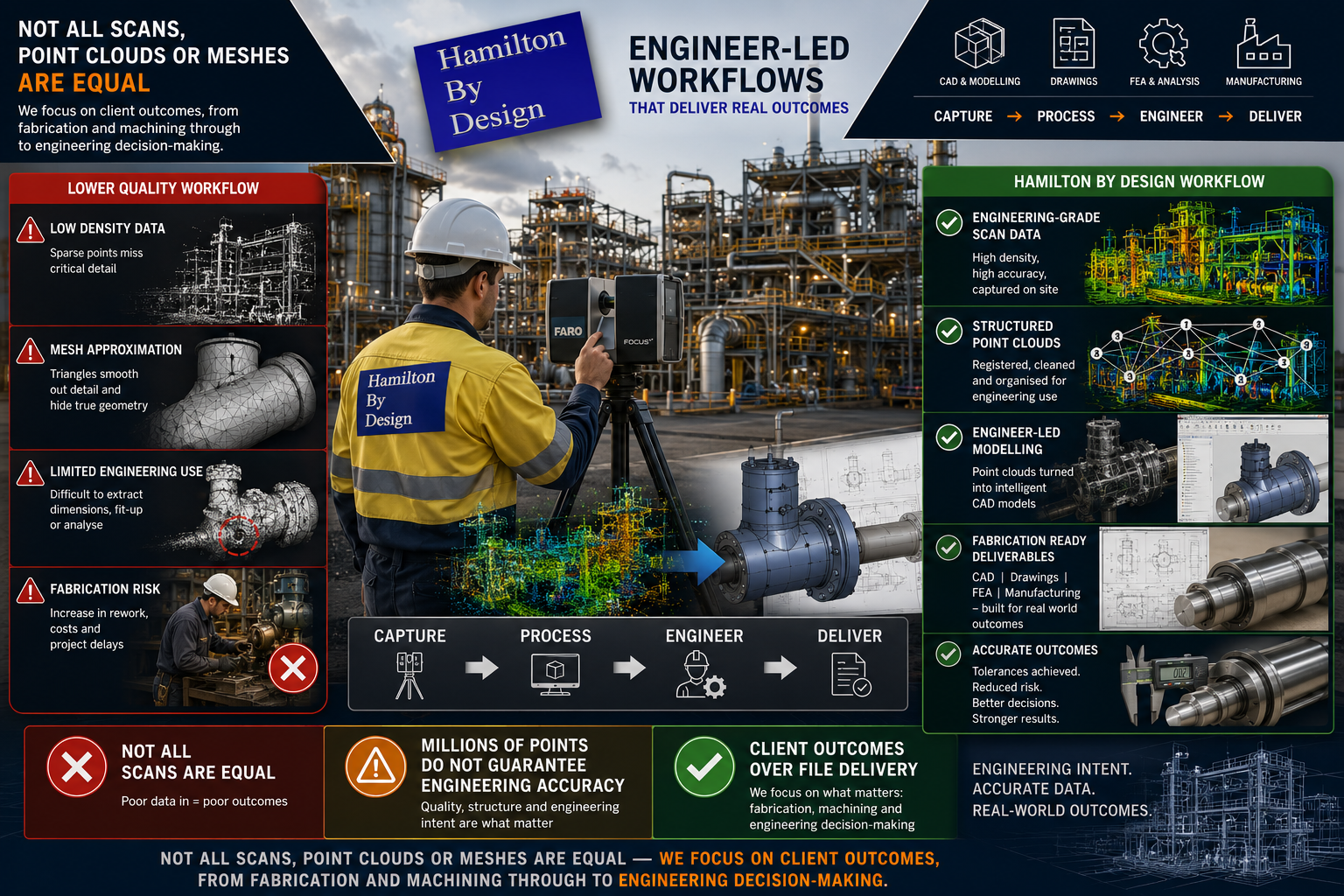
Not All Scans, Point Clouds or Meshes Are Equal โ€“ The Hamilton By Design Philosophy

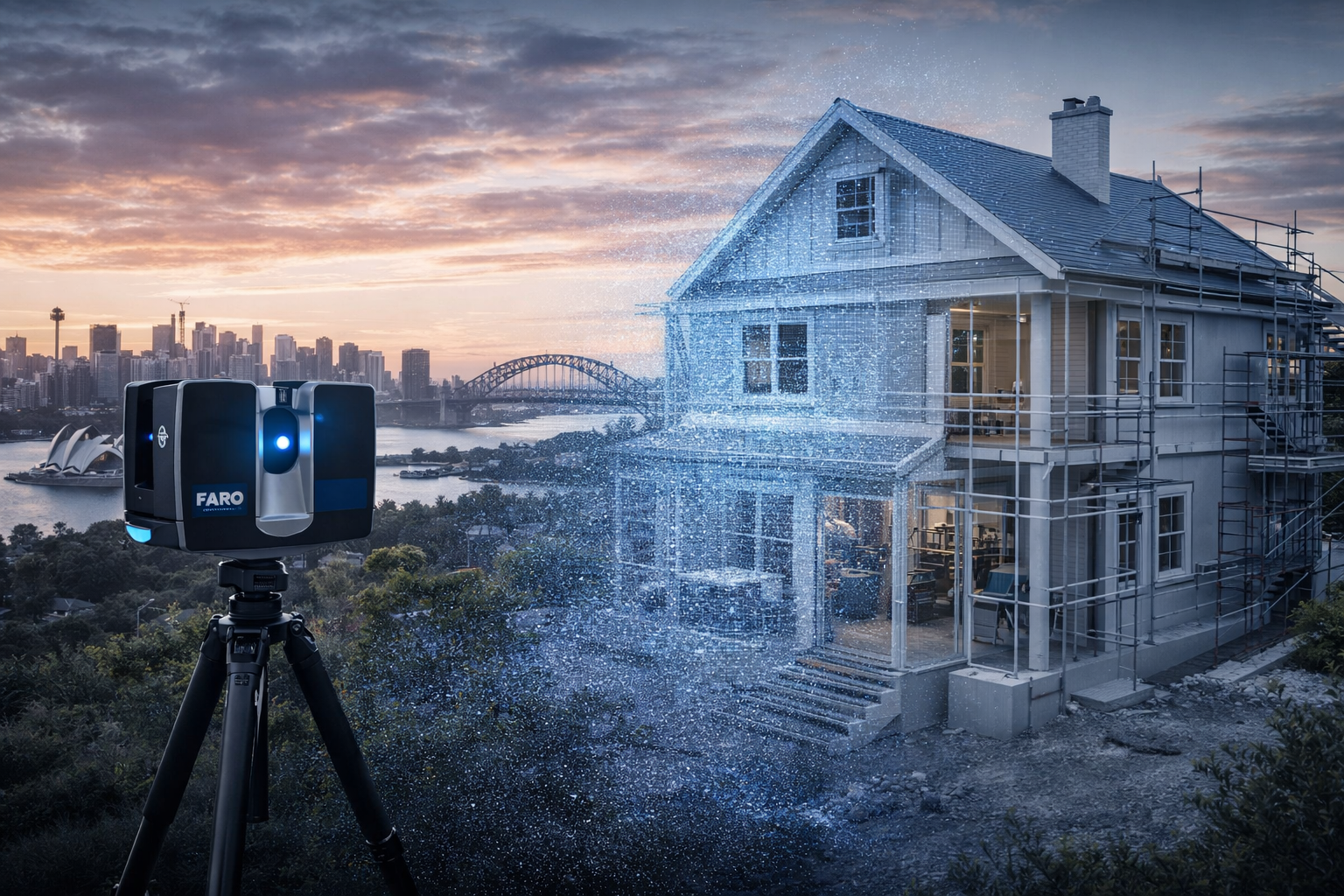
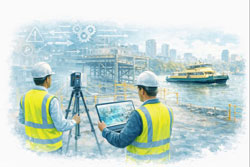
Hamilton By Design engineer-led LiDAR scanning workflow showing engineering-grade point cloud capture, CAD modelling, fabrication-ready deliverables, and comparison between low-quality scans and structured engineering data

Based on a number of enquiries received this week, we thought it would be useful to clarify and streamline the Hamilton By Design philosophy regarding engineering-grade reality capture, drafting and engineering outcomes.

Not all scans are equal.

Not all point clouds are equal.

Not all meshes are equal.

One of the biggest misconceptions in industry is that once a point cloud has been generated, or once a mesh file or STL model has been created, the engineering work is complete. In reality, capturing a scan is only the beginning of the process.

The value does not come from simply obtaining a file.

The value comes from understanding the required outcome and ensuring the data collected is appropriate for that purpose.

At Hamilton By Design, we are engineer-led and provide engineering-grade scanning and reality capture services designed around the intended engineering outcome.

Whether you require outcomes associated with:

  • Fabrication and steel fit-up
  • Mechanical drafting
  • Reverse engineering
  • Plant modifications
  • Mechanical assemblies
  • Precision machining
  • Toolmaking
  • Engineering studies and analysis

our process begins by understanding the final requirement rather than assuming one scan methodology can satisfy every project.

Because different engineering outcomes require different levels of information.

A Scan Is Not the Final Product

Many discussions begin with questions such as:

“Can you provide a point cloud?”

“Can you create a mesh?”

“Can you provide an STL file?”

These are important questions; however, they often miss the larger engineering discussion.

The better question is:

What are you trying to achieve?

The same scan dataset may be used for several completely different purposes:

  • General plant layouts
  • Fabrication fit-up
  • Reverse engineering
  • Structural modifications
  • Mechanical assemblies
  • Existing condition verification
  • Bearing and shaft measurements
  • Precision tooling

The level of detail required for these outcomes can vary significantly.

A dataset that may be suitable for one application may be completely unsuitable for another.

Drafting Is More Than Drawing Lines

Modern industrial drafting has evolved considerably.

A capable draftsperson or designer should understand:

  • Point cloud datasets
  • Mesh and STL files
  • Scan quality and limitations
  • Measurable geometry development
  • CAD model generation
  • Manufacturing requirements
  • Installation requirements
  • Practical engineering considerations

The objective is not simply creating a drawing.

The objective is converting real-world conditions into useful engineering information.

Drafting Should Understand Manufacturing Reality

At Hamilton By Design we believe drafting extends beyond geometry displayed on a screen.

Strong design outcomes often come from understanding how components are actually manufactured, assembled and maintained.

Experience or understanding in areas such as:

  • Fabrication
  • Machining
  • Toolmaking
  • Manufacturing processes
  • Site installation
  • Plant maintenance

can significantly improve engineering decisions.

Understanding manufacturing realities affects:

  • Material selection
  • Weld access
  • Machining stock allowances
  • Tolerances
  • Assembly methods
  • Maintenance requirements
  • Manufacturing costs

A component may appear correct in CAD while still creating practical manufacturing issues.

Questions still need to be asked:

  • Can the component actually be manufactured?
  • Can welding equipment physically access the location?
  • Is sufficient machining stock available?
  • Can bearings be assembled correctly?
  • Can maintenance personnel access components?

Good drafting is not simply producing drawings.

Good drafting understands the complete journey from concept through to manufacture and operation.

Data Quality In = Data Quality Out

At Hamilton By Design we regularly work with:

  • Engineering-grade point clouds
  • Surface meshes
  • STL datasets
  • Reverse engineered components
  • Existing CAD models

One engineering principle remains consistent:

You cannot create information that was never captured.

Software may improve visual appearance and optimise workflows; however, software cannot accurately create missing information.

Examples include:

  • Higher point density generally captures more geometric detail
  • Lower point density captures less information
  • Reduced mesh resolution removes geometric definition
  • STL files can contain smoothing effects
  • Mesh reduction can remove critical engineering features

Reducing points reduces available information.

At some point, a measured representation becomes an approximation.

Bigger Data Sets Are Not Always Better

Many people assume larger datasets automatically create better outcomes.

The reality is there is a balance between detail and practicality.

Large datasets may increase:

  • Processing time
  • Storage requirements
  • Hardware demands
  • Registration effort
  • Modelling time
  • File management complexity
  • Project delivery time

The objective should not be creating the largest point cloud possible.

The objective should be collecting sufficient information to satisfy the engineering requirement.

Greater Accuracy Usually Comes With Greater Cost

Higher accuracy requirements typically require greater effort.

As required accuracy increases, additional work may include:

  • Increased point density
  • Larger point cloud datasets
  • Higher mesh resolution
  • Additional scan positions
  • Greater registration effort
  • Increased verification requirements
  • Additional modelling effort
  • More engineering review

As detail increases:

  • File sizes increase
  • Processing requirements increase
  • Engineering effort increases
  • Costs may increase

The objective should not be maximum data.

The objective should be the correct data.

One Project Can Contain Multiple Tolerances

One of the most common misunderstandings is assuming an entire project operates under one tolerance requirement.

Real engineering projects rarely operate this way.

Consider a pulley assembly.

The fabricated support structure, guards and mounting arrangement may comfortably operate within fabrication tolerances of:

Approximately ยฑ2 mm

However, the same assembly may also include:

  • Shaft diameters
  • Bearing journals
  • Keyways
  • Bearing fits
  • Machined interfaces

These features may require significantly tighter dimensional control.

Typical examples include:

Fabrication and steel fit-up
Approximately ยฑ2 mm

Machined components and mechanical interfaces
Approximately ยฑ0.1 mm

Precision tooling and specialised manufacturing
Potentially <0.1 mm

A fabricator and a toolmaker are not working to the same expectations.

Applying toolmaking tolerances to general fabrication may unnecessarily increase complexity and cost.

Likewise, applying fabrication assumptions to precision-machined components may create significant issues.

One mesh does not automatically solve every engineering requirement.

The Hamilton By Design Approach

At Hamilton By Design we work backwards from the final outcome.

Questions we commonly ask include:

  • Is the project for fabrication?
  • Is machining required?
  • Is reverse engineering required?
  • Is there a critical bearing or shaft interface?
  • Is this for plant modifications?
  • Is this for a precision component?
  • Is this for engineering studies?

These answers determine:

  • Scan methodology
  • Point cloud density
  • Registration strategy
  • Modelling approach
  • Verification requirements
  • Engineering effort
  • Final deliverables

We focus on providing the right information at the right level for the intended purpose.

Because engineering-grade scanning is not about creating the biggest point cloud.

Engineering-grade scanning is not about creating the largest mesh.

Engineering-grade scanning is about producing reliable information that supports real-world engineering outcomes.

Hamilton By Design logo displayed on a blue tilted rectangle with a grey gradient background

Our clients
3D LiDAR scanning and 3D modelling service button โ€” laser scanner capturing a point cloud for engineering and CAD modelling
Mechanical engineering services
Finite Element Analysis (FEA) engineering simulation button
Mechanical engineering services
Name
Would you like us to arrange a phone consultation for you?
Address

Point Cloud to CAD Services Sydney

Point cloud to CAD Sydney showing laser scanning of a house with Sydney Harbour Bridge and Opera House in background

Convert 3D Scans into Accurate Engineering Models

Point cloud to CAD services in Sydney are essential for turning raw scan data into usable engineering deliverables.

At Hamilton By Design, we convert 3D laser scans and LiDAR data into accurate AutoCAD and 3D models, enabling engineering design, plant upgrades, and construction planning.

If you already have scan data โ€” or need scanning completed โ€” we provide a complete workflow from site capture through to fabrication-ready models.

๐Ÿ‘‰ Learn more about our scanning services here:


What is Point Cloud to CAD?

Point cloud to CAD is the process of converting laser scan data into structured, accurate engineering drawings and 3D models.

This includes:

  • 2D AutoCAD drawings (plans, sections, elevations)
  • 3D CAD models
  • BIM-ready models
  • As-built documentation

The result is a model that engineers, designers and fabricators can use with confidence.


Our Point Cloud to CAD Services in Sydney

We deliver modelling services across a wide range of applications:

Industrial & Plant Modelling

  • Conveyor systems
  • Transfer chutes
  • Pipework and services
  • Structural steel

Construction & Building Modelling

  • Existing building layouts
  • Fit-out documentation
  • Services coordination

Infrastructure Projects

  • Bridges and structural elements
  • Road and rail interfaces
  • Asset capture and upgrades

Our focus is not just on modelling โ€” but on delivering engineering-ready outputs.


From Scan Data to Engineering Deliverables

Our workflow ensures accuracy at every stage:

  1. Point Cloud Import & Registration
    Clean, verified scan data aligned to project coordinates
  2. Model Development
    Accurate modelling in AutoCAD or 3D platforms
  3. Detailing & Verification
    Ensuring geometry matches real-world conditions
  4. Deliverables Issued
    Drawings and models ready for design, fabrication or construction

Why Accurate Modelling Matters

Poor modelling from point cloud data can lead to:

  • Misalignment during installation
  • Fabrication errors
  • Costly rework
  • Project delays

Our engineering-led approach ensures models are:

  • Fit-for-purpose
  • Accurate to required tolerances
  • Suitable for real-world application

Deliverables We Provide

Depending on your project requirements, we can deliver:

  • 2D AutoCAD drawings
  • 3D CAD models
  • Structural steel models
  • Plant layouts and equipment models
  • As-built documentation
  • BIM-compatible outputs

We tailor deliverables to suit your engineering and project needs.


Applications Across Sydney Projects

Point cloud to CAD is widely used in:

  • Industrial plant upgrades
  • Structural steel design and verification
  • Construction planning and coordination
  • Refurbishments and fit-outs
  • Infrastructure projects

For complex environments, accurate modelling reduces risk and improves project outcomes.


Why Choose Hamilton By Design

We are not just modellers โ€” we are engineers.

โœ” Engineering-led modelling approach
โœ” Experience in industrial and construction environments
โœ” Focus on accuracy and real-world application
โœ” Understanding of fabrication and installation requirements

We deliver models that work in the field โ€” not just on screen.


Point Cloud to CAD Sydney โ€” Get Started

If you have scan data and need accurate models โ€” or require a full scan-to-model service โ€” we can help.

๐Ÿ‘‰ Contact Hamilton By Design to discuss your project and modelling requirements.

Or learn more about how we capture data through
Reality Capture Sydney:


3D LiDAR scanning and 3D modelling service button โ€” laser scanner capturing a point cloud for engineering and CAD modelling
Mechanical engineering services
Name
Would you like us to arrange a phone consultation for you?
Address

Our clients

Related Sydney Services

Hamilton By Design provides engineering-led 3D scanning, LiDAR scanning, mechanical engineering and digital engineering services throughout Sydney and Greater Sydney.

Explore our related Sydney services:


  • 3D Scanning Sydney โ€“ Engineering-grade terrestrial laser scanning, as-built surveys and point cloud capture for industrial, infrastructure and commercial projects.
  • Reality Capture Sydney โ€“ High-accuracy reality capture, digital twins, asset documentation and engineering-grade site verification.
  • Scan to CAD Sydney โ€“ Convert point cloud data into AutoCAD, SolidWorks, Inventor and other engineering-ready CAD deliverables.
  • Point Cloud Modelling Sydney โ€“ Engineering-grade point cloud processing, clash detection, as-built verification and 3D modelling.
  • Mechanical Engineering Sydney โ€“ Mechanical design, plant upgrades, materials handling systems, conveyors, chutes, platforms and engineering support.
  • Structural Drafting Sydney โ€“ Structural steel drafting, fabrication drawings, GA drawings, workshop detailing and as-built documentation.

Hamilton By Design supports projects throughout Sydney CBD, Parramatta, Liverpool, Penrith, Blacktown, Chatswood, Alexandria, Mascot, Newcastle and the Central Coast.


3D CAD Modelling Australia service banner for Hamilton By Design

3D Scanning Blue Mountains โ€“ Engineering-Grade LiDAR by Hamilton By Design

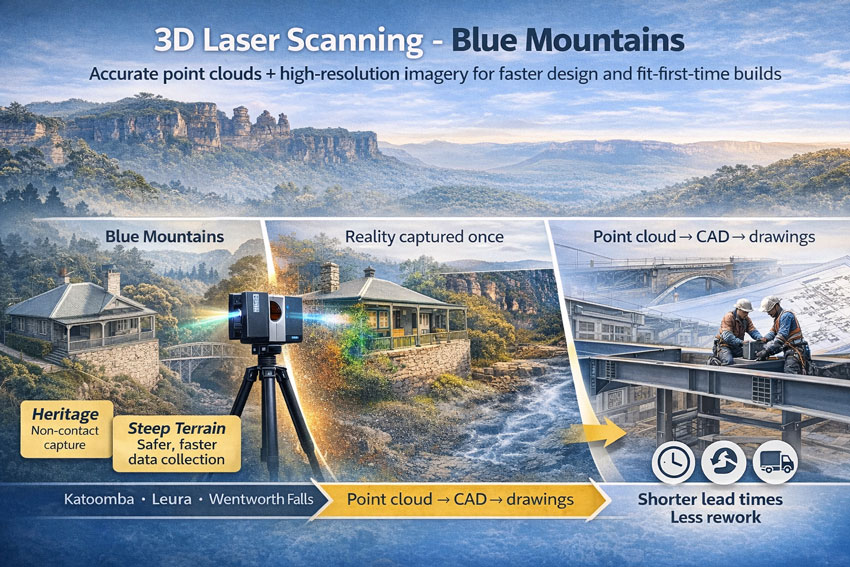
3D laser scanning workflow in the Blue Mountains showing FARO Focus capture, point cloud and CAD model for fit-first-time construction

Engineering-Grade LiDAR by Hamilton By Design

The Blue Mountains presents some of the most demanding environments for measurement and design in NSW. Steep escarpments, ageing heritage buildings, bushfire-affected properties, and complex tourism infrastructure mean that traditional survey methods are often unsafe, incomplete, or inaccurate.
Hamilton By Design provides engineering-grade 3D laser scanning across the Blue Mountains โ€” delivering precise point clouds and high-resolution imagery that can be used directly for structural design, drafting, approvals, and construction.


Engineering Data You Can Design From

Our workflow is built around the FARO Focus LiDAR platform, capturing millions of points with millimetre accuracy. Unlike basic reality capture, our service is aimed specifically at engineering and fabrication outcomes:
  • Point clouds aligned to project coordinate systems
  • Accuracy suitable for structural steel interfaces
  • High-resolution HDR imagery from the scanner camera
  • Data prepared for SolidWorks, AutoCAD and BIM workflows
  • Outputs ready for drafting and clash detection

This is not marketing visualisation โ€” it is measurement data that engineers can rely on.


Why the Blue Mountains Demands Professional Scanning

Projects in Katoomba, Leura, Wentworth Falls and Springwood share common risks:

  • Original drawings rarely match existing conditions
  • Buildings sit on rock shelves and irregular terrain
  • Access is limited and weather changes quickly
  • Heritage fabric must not be touched
  • Bushfire rebuilds require objective records

In these environments, even small measurement errors lead to major problems during fabrication and installation. Engineering-grade scanning removes that uncertainty by capturing reality first.


What We Scan in the Blue Mountains

Structural & Industrial

  • Platforms and access structures
  • Steel upgrades and extensions
  • Mechanical plant rooms
  • Conveyor and process equipment
  • Bridges and rail infrastructure

Heritage & Tourism

  • Federation cottages and guesthouses
  • Scenic World structures
  • Lookouts and stone pathways
  • Churches and community buildings

Residential & Bushfire Rebuilds

  • Split-level homes on escarpments
  • Retaining walls and rock faces
  • Pre-loss insurance documentation
  • Extensions with no reliable drawings

Civil Assets

  • Footbridges and carparks
  • Stormwater channels
  • Council buildings
  • Schools and public facilities

FARO Focus 3D scanning in the Blue Mountains for heritage and structural projects

More Than a Point Cloud โ€“ High-Resolution Imagery

The FARO Focus scanner records full panoramic HDR photographs at every scan position. This provides:

  • Visual condition records alongside measurements
  • Colourised point clouds for easy interpretation
  • Virtual site walk-throughs for remote teams
  • Evidence for heritage and insurance reports

Designers can review stone texture, corrosion, timber condition and interfaces without returning to site โ€” a major advantage for Mountain projects where access is costly.


From Scan to Buildable Outcome

Hamilton By Design does not stop at capture. Our service connects directly to:

  • Structural drafting from point cloud
  • SolidWorks modelling of new steel in context
  • Clash detection with existing assets
  • Fabrication drawings and GA documentation

This integrated workflow ensures new work fits first time โ€” reducing:

  • fabrication rework
  • site modifications
  • programme delays
  • unnecessary return visits

Typical Deliverables

Depending on project needs we provide:

  • Registered point clouds (E57, RCP, LAS)
  • Colourised scans with HDR imagery
  • 3D CAD models from scan
  • As-built GA drawings
  • Interface checks for structural steel
  • Condition imagery reports

All data is prepared for use by engineers, architects and fabricators โ€” not just for viewing.


Who This Service Is For

  • Structural and mechanical engineers
  • Fabricators and builders
  • Architects working on heritage
  • Councils and asset owners
  • Insurance and bushfire rebuild teams
  • Mining and tourism operators

Benefits for Blue Mountains Projects

  • โœ” Non-contact capture on fragile heritage fabric
  • โœ” Safe measurement on steep terrain
  • โœ” One visit for geometry + imagery
  • โœ” Accurate data for DA and approvals
  • โœ” Reduced construction lead times
  • โœ” Less rework and variation claims

Local Coverage

Hamilton By Design services:

Katoomba โ€ข Leura โ€ข Wentworth Falls โ€ข Blackheath โ€ข Lawson โ€ข Springwood โ€ข Glenbrook
and surrounding Blue Mountains regions.


Start with Engineering-Grade Reality

If your project relies on existing conditions, start with data you can trust. Hamilton By Designโ€™s 3D scanning provides a professional foundation for structural design, drafting and construction in the Blue Mountains.


Hamilton By Design logo displayed on a blue tilted rectangle with a grey gradient background

3D LiDAR scanning and 3D modelling service button โ€” laser scanner capturing a point cloud for engineering and CAD modelling
Mechanical engineering services


Related Sydney Services

Hamilton By Design provides engineering-led 3D scanning, LiDAR scanning, mechanical engineering and digital engineering services throughout Sydney and Greater Sydney.

Explore our related Sydney services:


  • 3D Scanning Sydney โ€“ Engineering-grade terrestrial laser scanning, as-built surveys and point cloud capture for industrial, infrastructure and commercial projects.
  • Reality Capture Sydney โ€“ High-accuracy reality capture, digital twins, asset documentation and engineering-grade site verification.
  • Scan to CAD Sydney โ€“ Convert point cloud data into AutoCAD, SolidWorks, Inventor and other engineering-ready CAD deliverables.
  • Point Cloud Modelling Sydney โ€“ Engineering-grade point cloud processing, clash detection, as-built verification and 3D modelling.
  • Mechanical Engineering Sydney โ€“ Mechanical design, plant upgrades, materials handling systems, conveyors, chutes, platforms and engineering support.
  • Structural Drafting Sydney โ€“ Structural steel drafting, fabrication drawings, GA drawings, workshop detailing and as-built documentation.

Hamilton By Design supports projects throughout Sydney CBD, Parramatta, Liverpool, Penrith, Blacktown, Chatswood, Alexandria, Mascot, Newcastle and the Central Coast.


Hamilton By Design โ€“ Engineering Data for Fit-First-Time Construction


Name
Would you like us to arrange a phone consultation for you?
Address

Blue banner graphic displaying the text "Point Cloud to CAD - Australia" in large white lettering, representing point cloud processing, scan-to-CAD conversion and digital engineering services across Australia.
Blue banner graphic displaying the text "Scan to CAD Sydney" in large white lettering, representing engineering-led point cloud to CAD conversion, LiDAR scanning and digital engineering services in Sydney.
Blue banner graphic displaying the text "Reality Capture Sydney - CBD" in large white lettering, representing engineering-led reality capture, LiDAR scanning and digital engineering services within Sydney CBD commercial buildings and infrastructure.
3D CAD Modelling Australia service banner for Hamilton By Design

Mechanical Engineering Support for PNG

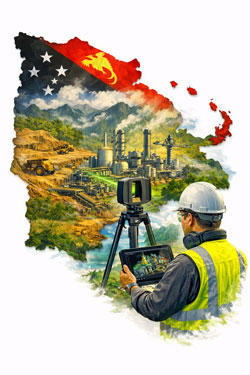
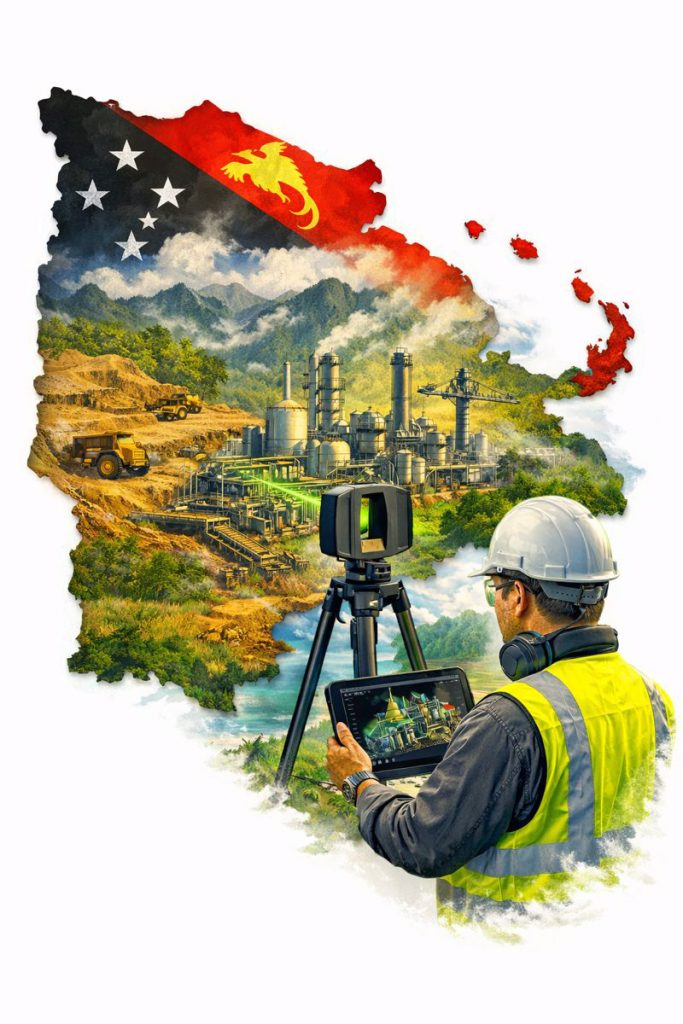
Engineer using LiDAR scanner to capture mining and processing plant within a map of Papua New Guinea for engineering design and plant upgrades.

Fly-In Data Capture โ†’ Australian Analysis โ†’ Capacity Outcomes

Engineer-Led. Practical. Here to Support You.

Hamilton By Design Co. is an engineer-led team that wants to support you. We connect Papua New Guinea mine sites with experienced Australian engineers and designersโ€”flying in to collect your engineering data, then analysing it in Australia to develop upgrades that help you extract the most from your opportunity.

Donโ€™t feel isolated because of your remotenessโ€”weโ€™re here to help.
Our role is to stand beside your site teams, capture what really exists, and convert that into practical actions that increase capacity, reliability, and safety.

We adapt our systems to fit yours.
Whatever platforms, standards, and workflows your operation already uses, we structure our deliverables to integrate seamlessly with your established processes.


Papua New Guinea industrial facility being digitally captured with 3D scanning to create accurate models for remote engineering and shutdown planning.

To Mine Management โ€“ This Is About Value

You are responsible for getting maximum performance from existing assets while controlling risk and downtime. Hamilton By Design works directly with management to:

  • Identify constraints limiting throughput
  • Reduce uncertainty before capital decisions
  • Turn real conditions into structured engineering plans
  • Deliver upgrades that increase production, not just paperwork

Our focus is outcomes:
Accurate site capture โ†’ Australian engineering analysis โ†’ measurable capacity improvement.


How We Support Your Operation

1. Fly-In Engineering Data Collection

We mobilise to your PNG site to:

  • Capture accurate engineering information across plants, structures, conveyors, tanks, and services
  • Verify tie-ins, access constraints, and maintenance issues
  • Validate legacy drawings against reality
  • Engage with operators to understand bottlenecks and operating challenges

2. Australian Engineering & Design

Back in Australia our team will:

  • Structure the site data into design-ready formats that suit your systems
  • Analyse structural and mechanical limits
  • Develop options to increase process capacity
  • Produce constructable drawings and work packs for shutdown execution
  • Coordinate with your project teams, fabricators, and contractors

3. Capacity & Reliability Outcomes

Everything is aimed at real improvement:

  • Debottlenecking of chutes and conveyors
  • Structural upgrades for higher loads
  • Safer access and maintenance routes
  • Brownfields tie-ins with minimal downtime
  • Reduced rework through accurate as-builts
  • Practical staging to suit your shutdown strategy

PNG Mines We Can Support

Hamilton By Design can service major operations including:

  • Lihir (Niolam) Gold Mine โ€“ tanks, structures, plant interfaces
  • Porgera Gold Mine โ€“ restart and upgrade documentation
  • Ok Tedi โ€“ remote infrastructure and processing areas
  • Hidden Valley โ€“ mountainous brownfields upgrades
  • Simberi โ€“ ROM and conveyor systems
  • Kainantu โ€“ surface/underground interface zones

Why Work With Us

  • Engineer-led team focused on supporting you
  • We come to siteโ€”no desk assumptions
  • Australian engineers with mining exposure
  • Deliverables aimed at throughput and reliability
  • Understanding of PNG logistics and shutdown pressures
  • Independent, practical, constructable solutions
  • Flexible approach that adapts to your existing systems

Hamilton By Design logo displayed on a blue tilted rectangle with a grey gradient background

3D LiDAR scanning and 3D modelling service button โ€” laser scanner capturing a point cloud for engineering and CAD modelling
Mechanical engineering services

Typical Deliverables

  • Registered site data and as-built information
  • General arrangement and interface drawings
  • Capacity upgrade concepts
  • Brownfields modification packages
  • Photo-annotated engineering reports
  • Shutdown execution and staging plans

Remote Site? Youโ€™re Not Alone.

No matter how remote your operation, you donโ€™t have to tackle engineering challenges on your own. Hamilton By Design can be on the ground capturing your plant conditions and in Australia turning that data into actions that increase production.


Letโ€™s Talk About Your Opportunity

If you are responsible for getting more from your mine, we can help you:

  • See clearly what exists today
  • Plan upgrades with confidence
  • Deliver changes that actually lift capacity

Contact Hamilton By Design Co.

  • Request a PNG engineering support proposal
  • Plan a fly-in site visit
  • Discuss shutdown and capacity objectives

3D CAD Modelling Australia service banner for Hamilton By Design

Why Graduate Engineers Quickly Become Addicted to LiDAR Scanning

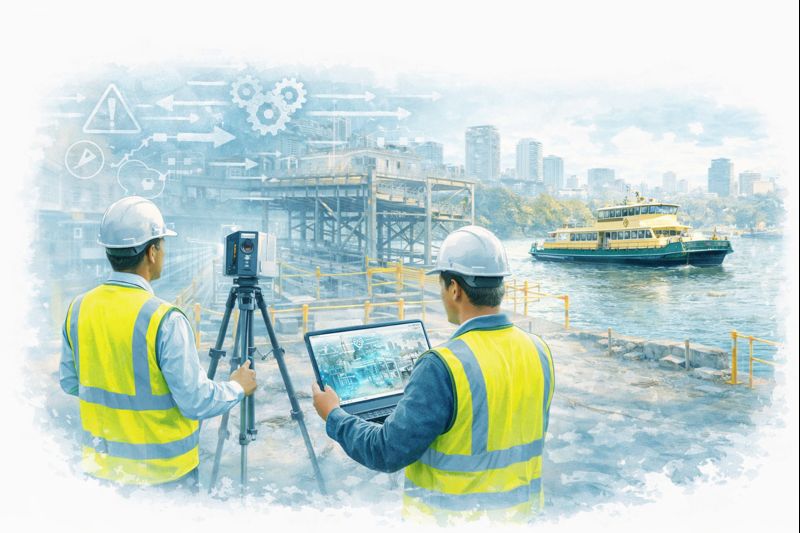
Graduate engineer and senior engineer using LiDAR scanning on a Parramatta River construction site, reviewing point cloud data for accurate design.

Why Graduate Engineers Quickly Become Addicted to LiDAR Scanning

Ask any graduate engineer what surprised them most in their first few years on the job and youโ€™ll often hear the same answer:

โ€œThe drawings were wrong.โ€

Not maliciously wrong. Not incompetently wrong. Justโ€ฆ out of date, incomplete, or disconnected from what actually exists on site.

That realisation is often the moment graduate engineers discover LiDAR scanning โ€” and once they do, itโ€™s very hard to go back.

Across Greater Sydney, from dense inner-city refurbishments to industrial upgrades in the west, graduate engineers are finding that 3D laser scanning becomes indispensable almost as soon as theyโ€™ve worked with it properly. Itโ€™s not just helpful. Itโ€™s addictive โ€” because it replaces uncertainty with clarity.


The graduate engineerโ€™s first shock: reality doesnโ€™t match the drawing

Most graduate engineers come out of university trained to think in:

  • idealised geometry
  • clean load paths
  • well-defined dimensions
  • drawings that represent truth

Then they step onto a live site in Sydney CBD, Surry Hills, Parramatta, Mascot, Alexandria, Chatswood, or North Sydney and realise something important:

Existing buildings, plant, and infrastructure are messy.

Services donโ€™t run straight. Columns arenโ€™t perfectly plumb. Steel has been modified, trimmed, plated, or shifted over decades. Mechanical equipment has been replaced multiple times, often without full documentation. In inner suburbs especially, space constraints mean โ€œcreativeโ€ solutions become permanent.

For a graduate engineer trying to do the right thing, this mismatch creates anxiety:

  • Am I designing to the right information?
  • What happens if this doesnโ€™t fit?
  • How confident should I be signing this off?

This is where LiDAR scanning changes everything.


LiDAR scanning by engineers at a Sydney riverside construction site, capturing as-built data for digital quality assurance and design verification.

The first scan changes how graduates think

The first time a graduate engineer works with a real point cloud, something clicks.

Instead of guessing:

  • they can measure directly
  • they can see spatial relationships
  • they can verify assumptions
  • they can design in context

Suddenly, the question shifts from โ€œwhat does the drawing say?โ€ to โ€œwhat actually exists?โ€

Once that shift happens, itโ€™s very hard to go back to traditional workflows.

Hamilton By Designโ€™s approach to engineering-led LiDAR scanning highlights this transition clearly โ€” scanning isnโ€™t just data capture, itโ€™s digital quality assurance for engineering decisions.

๐Ÿ‘‰ 3D LiDAR Scanning & Digital Quality Assurance
https://www.hamiltonbydesign.com.au/home/3d-lidar-scanning-digital-quality-assurance/

For graduate engineers, this is often the first time they feel genuinely confident that their design inputs reflect reality.


Why LiDAR scanning becomes โ€œaddictiveโ€

LiDAR scanning is addictive to graduate engineers for one simple reason:

It removes doubt.

Once youโ€™ve experienced what itโ€™s like to design from verified geometry, going back to hand measurements and assumptions feels risky โ€” even irresponsible.

1. Confidence replaces guesswork

Instead of hoping clearances exist, graduates can prove they exist. Instead of estimating offsets, they can measure them. This builds technical confidence very quickly.

2. Mistakes become learning, not disasters

When designs are checked against a point cloud, errors are caught early โ€” in the model, not on site. Graduates learn faster because mistakes are visible and correctable.

3. Engineering judgement develops faster

Seeing real-world geometry helps graduates understand:

  • constructability
  • installation constraints
  • maintenance access
  • tolerance accumulation

These lessons are difficult to teach from textbooks alone.


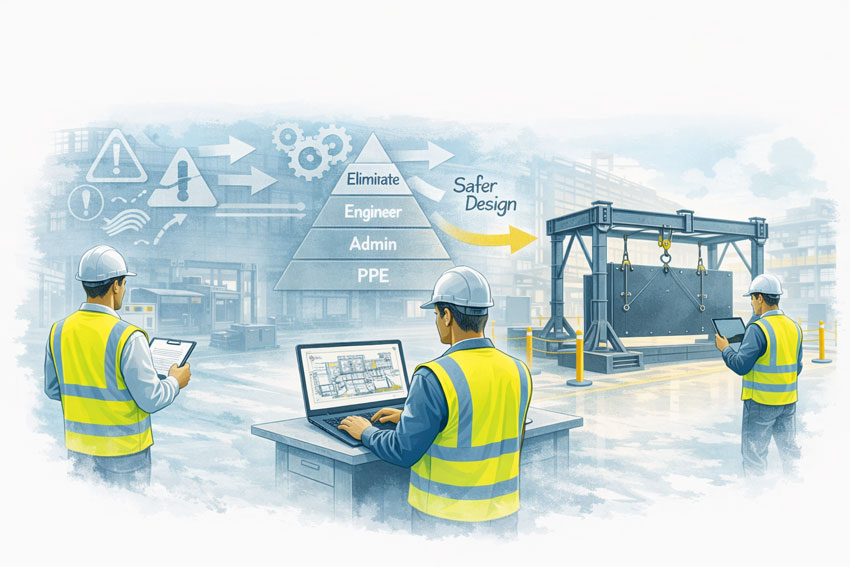
Mining engineers applying design-for-safety principles to improve material handling systems in an industrial workshop

Inner Sydney makes scanning essential, not optional

In inner Sydney suburbs, LiDAR scanning is not a luxury โ€” itโ€™s often the only practical way to work.

Areas like:

  • Sydney CBD
  • Ultimo
  • Pyrmont
  • Surry Hills
  • Redfern
  • Alexandria
  • Zetland
  • Newtown

are characterised by:

  • tight sites
  • layered services
  • heritage structures
  • mixed-use refurbishments
  • minimal tolerance for rework

Graduate engineers working on these projects quickly learn that:

  • traditional site measurement is slow and disruptive
  • access is limited and time-boxed
  • errors are expensive and highly visible

Scanning allows:

  • rapid capture without extended site shutdowns
  • remote review and collaboration
  • fewer repeat site visits
  • better coordination between disciplines

Once graduates experience this efficiency, they naturally push for scanning on future projects.


How scanning supports better engineering decisions

LiDAR scanning doesnโ€™t replace engineering judgement โ€” it supports it.

Hamilton By Design frames scanning as a core part of engineering projects, not a bolt-on service. That distinction matters, especially for younger engineers still developing confidence.

๐Ÿ‘‰ 3D Laser Scanning for Engineering Projects
https://www.hamiltonbydesign.com.au/home/engineering-services/3d-laser-scanning/3d-laser-scanning-for-engineering-projects/

For graduate engineers, scanning supports:

Design verification

They can check whether:

  • a beam is actually where the drawing says it is
  • a pipe has enough fall
  • a platform clears adjacent services
  • access zones meet safety requirements

Better communication

Point clouds make design reviews clearer. Instead of explaining issues abstractly, graduates can show the problem in 3D context โ€” especially helpful when working with senior engineers, fabricators, or clients.

Safer decisions

Designing from verified geometry reduces the risk of unsafe site improvisation. Graduates learn early that safety is tied directly to design certainty.


The โ€œdigital safety netโ€ for early-career engineers

For many graduates, LiDAR scanning acts as a digital safety net.

Early in a career, the fear of โ€œmissing something obviousโ€ is real. Scanning provides reassurance:

  • Have I considered the surrounding structure?
  • Did I allow enough clearance?
  • Is this installable?

Instead of relying solely on experience they havenโ€™t yet built, graduates can lean on measured reality.

Over time, this accelerates professional growth:

  • better spatial awareness
  • improved constructability thinking
  • stronger questioning of legacy documentation

Ironically, the more graduates use scanning, the faster they develop the intuition to know when itโ€™s needed โ€” and when itโ€™s not.


Greater Sydney: scanning as a standard workflow

Across Greater Sydney, LiDAR scanning is increasingly becoming standard practice for:

  • building refurbishments
  • industrial upgrades
  • mechanical plant modifications
  • structural alterations
  • asset verification and compliance work

In western Sydney industrial areas, scanning supports large-scale plant and warehouse projects. In the north and east, it supports constrained commercial and infrastructure upgrades. In the inner suburbs, it often makes projects feasible at all.

Graduate engineers exposed to this environment quickly learn:

  • projects that scan early run smoother
  • fewer RFIs come back from site
  • fabrication issues drop dramatically
  • install teams trust the drawings more

Once theyโ€™ve seen this pattern a few times, scanning stops being a โ€œspecial requestโ€ and becomes the default question:

โ€œCan we scan this first?โ€


Why engineers struggle to go back once theyโ€™ve scanned

After working with LiDAR scanning, graduates often struggle with projects that donโ€™t include it.

They notice:

  • more uncertainty
  • more site clarification calls
  • more โ€œweโ€™ll fix it on siteโ€ language
  • more reliance on assumptions

This is why scanning feels addictive โ€” not because itโ€™s flashy technology, but because it reduces friction at every stage of an engineering project.

For young engineers trying to build credibility, that reduction in friction is powerful. It allows them to:

  • deliver cleaner designs
  • ask better questions
  • contribute meaningfully earlier in their careers

Digital quality assurance becomes a mindset

Perhaps the biggest shift LiDAR scanning creates is cultural.

Graduate engineers exposed to scanning early start to think in terms of digital quality assurance:

  • verify before design
  • check before fabrication
  • confirm before installation

This mindset aligns closely with modern engineering governance, risk management, and professional accountability.

Hamilton By Designโ€™s emphasis on scanning as digital quality assurance reflects this evolution โ€” scanning isnโ€™t about technology for its own sake, itโ€™s about engineering confidence.

๐Ÿ‘‰ https://www.hamiltonbydesign.com.au/home/3d-lidar-scanning-digital-quality-assurance/


Hamilton By Design logo displayed on a blue tilted rectangle with a grey gradient background

Final thoughts: once you see clearly, you donโ€™t want to design blind again

For graduate engineers, LiDAR scanning often marks a turning point.

Itโ€™s the moment they realise engineering doesnโ€™t have to rely on best guesses, inherited drawings, or incomplete information. Itโ€™s the moment they understand that good engineering starts with seeing clearly.

In Greater Sydney, especially across dense inner suburbs, that clarity isnโ€™t optional โ€” itโ€™s essential.

Once graduate engineers experience what itโ€™s like to design from reality, not assumption, LiDAR scanning stops being a tool and becomes part of how they think. And thatโ€™s why, once theyโ€™ve scanned properly, most engineers never want to design without it again.

Name
Would you like us to arrange a phone consultation for you?
Address
3D LiDAR scanning and 3D modelling service button โ€” laser scanner capturing a point cloud for engineering and CAD modelling
Mechanical engineering services
Finite Element Analysis (FEA) engineering simulation button
Mechanical engineering services

Mechanical Engineering and 3D Scanning Services in Darwin

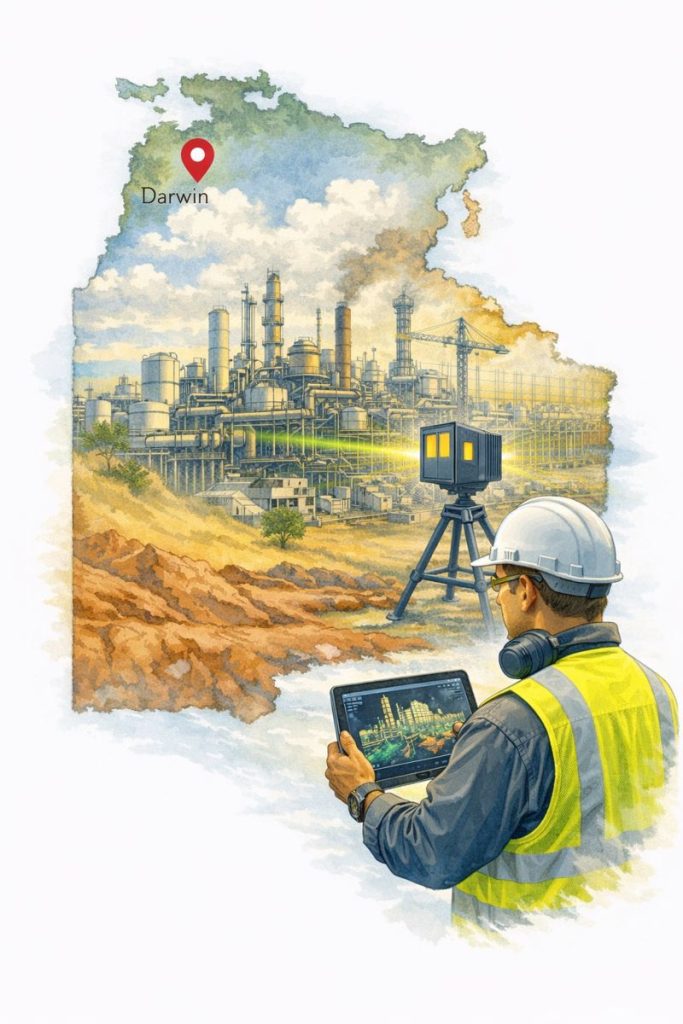
Industrial plant in Darwin being digitally captured with 3D scanning to support engineering design and upgrade planning.

Mechanical Engineering and 3D Scanning Services in Darwin

Supporting defence, industrial and infrastructure projects across Northern Australia

Darwin is a strategic industrial hub for Northern Australia, supporting defence facilities, oil and gas operations, ports, power generation and remote infrastructure servicing. Many of these assets operate in harsh environments and have been upgraded over long periods, making accurate design and modification work highly dependent on reliable as-built information.

Hamilton By Design provides engineering-led 3D laser scanning and mechanical engineering services in Darwin, supporting safer, faster and more accurate project delivery across operating facilities.


Engineer using LiDAR scanner to capture an industrial processing plant near Darwin in the Northern Territory for mechanical and structural design.

Engineering Challenges in Northern Australian Facilities

Industrial and infrastructure assets in the Top End face unique challenges, including:

  • High humidity and corrosion
  • Cyclone-rated structural requirements
  • Remote logistics and limited shutdown windows
  • Ageing infrastructure with incomplete documentation

These factors increase project risk when modifications rely on outdated drawings or manual site measurements.

Engineering-grade reality capture allows accurate design to be completed off-site, reducing rework and improving safety outcomes during installation.


How 3D Laser Scanning Supports Darwin Projects

Plant and Facility Upgrades

When upgrading mechanical systems, pipework, conveyors or process equipment, laser scanning provides accurate spatial data so new components can be designed to fit existing layouts before fabrication.

This is particularly valuable for:

  • Fuel and gas facilities
  • Power generation assets
  • Water and wastewater plants
  • Defence infrastructure

Shutdown and Maintenance Planning

Short shutdown windows are common in remote facilities. Point cloud models support:

  • Access and lifting studies
  • Installation sequencing
  • Safety and exclusion zone planning

This reduces uncertainty and improves coordination between trades during critical maintenance periods.


Structural and Mechanical Retrofits

For strengthening structures, replacing worn equipment or installing new platforms, scanning provides geometry suitable for:

  • Fabrication drawings
  • Structural connection design
  • Mechanical interface modelling

Minimising the need for repeated site visits in high-risk environments.


Mechanical Engineering Services Supported by Reality Capture

Hamilton By Design integrates 3D scanning directly into engineering workflows, including:

  • Mechanical design and drafting
  • Structural support and modification design
  • Scan-to-CAD and scan-to-BIM modelling
  • Fabrication drawing development
  • Installation and constructability reviews

This ensures reality capture delivers practical engineering outcomes, not just visual documentation.


Industries Supported in the Darwin Region

Our engineering and scanning services support a wide range of industries, including:

  • Defence and military facilities
  • Oil and gas processing and storage
  • Port infrastructure and materials handling
  • Power generation and utilities
  • Remote industrial facilities and camps
  • Food and bulk materials processing

These sectors require high levels of accuracy, safety and reliability when modifying operating assets.


Why Engineering-Grade LiDAR Matters

Not all scanning technologies are suitable for industrial engineering.

For mechanical and structural design, projects typically require:

  • Millimetre-level accuracy
  • Long-range capture across large facilities
  • Reliable reference for fabrication and installation

Engineering-grade LiDAR systems provide the precision required to support fabrication-ready design and clash-free installation.


Benefits for Project Owners and Contractors

Using engineering-led reality capture provides measurable advantages:

  • Reduced re-measurement on site
  • Fewer design clashes
  • Improved constructability
  • Safer design development
  • Shorter shutdown durations
  • Greater confidence in project outcomes

In remote locations, avoiding rework and delays has a major impact on overall project cost and schedule.


Supporting Projects Across Northern Australia

While based on the east coast, Hamilton By Design regularly supports regional and remote projects using a combination of:

  • On-site scanning campaigns
  • Remote engineering and modelling workflows
  • Digital collaboration and model review

This allows Darwin-based projects to access specialist engineering and scanning capability without requiring permanent local resourcing.


Final Thoughts

For industrial and infrastructure projects in Darwin, combining mechanical engineering with engineering-grade 3D scanning provides a safer, faster and more reliable way to deliver upgrades in challenging operating environments.

By integrating reality capture directly into design and fabrication workflows, project teams can reduce risk, improve coordination and achieve better construction outcomes across Northern Australiaโ€™s critical assets.

Hamilton By Design logo displayed on a blue tilted rectangle with a grey gradient background
3D LiDAR scanning and 3D modelling service button โ€” laser scanner capturing a point cloud for engineering and CAD modelling
Mechanical engineering services
Name
Would you like us to arrange a phone consultation for you?
Address