3D Engineering Services in Brisbane

Engineering-led reality capture, CAD modelling, and fabrication-ready design for Queensland industry

Hamilton By Design provides 3D Engineering Services in Brisbane by integrating engineering-grade reality capture, mechanical engineering, and fabrication-ready documentation into a single accountable workflow.

Our approach builds on proven internal capabilities in Reality Capture and Mechanical Engineering Services ensuring site conditions are accurately understood before design decisions are finalised and steel is cut.


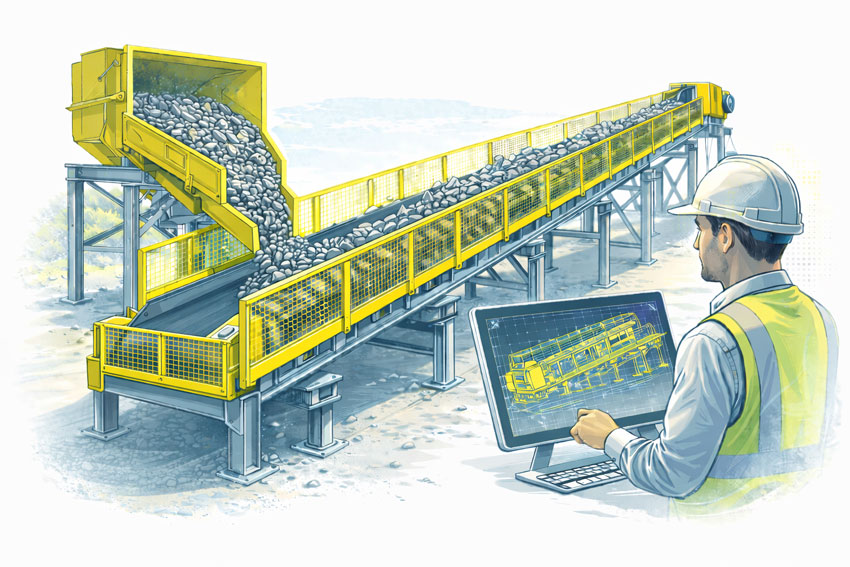
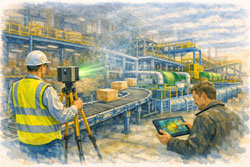
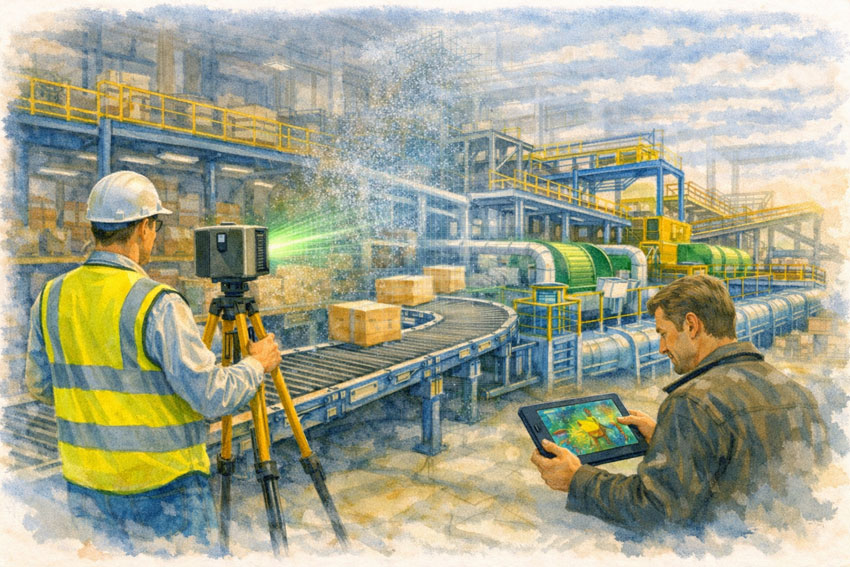
Cartoon illustration showing an engineering-led 3D workflow in Brisbane, from laser scanning and point cloud data to CAD modelling, engineering checks, and fabrication-ready steel.

Why 3D engineering services are critical for Brisbane-managed projects

Many industrial and infrastructure projects managed from Brisbane involve brownfield assets, constrained access, and remote delivery locations. In these environments, incomplete information quickly leads to design risk.

Common challenges include:

  • Outdated or missing as-built documentation
  • Unknown interfaces between new and existing assets
  • Limited opportunities for repeat site access
  • Fabrication errors identified during installation
  • High rework and logistics costs for regional Queensland projects

While services such as

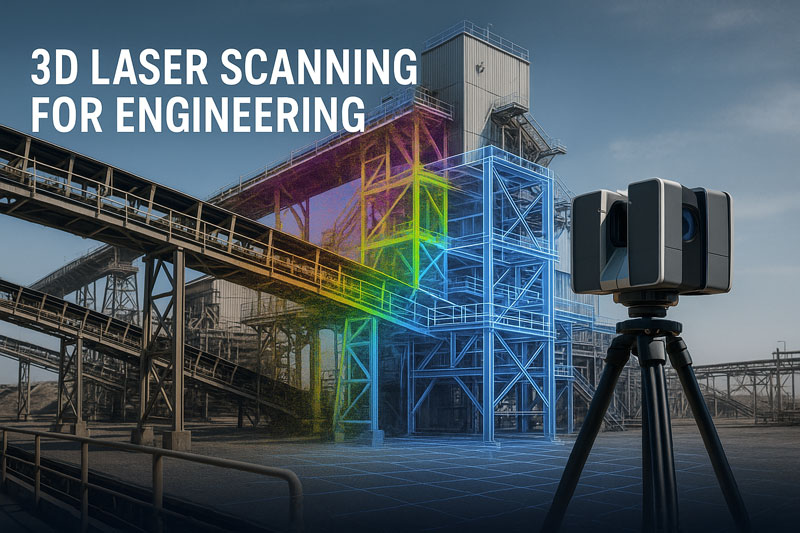
3D laser scanning in Brisbane

can accurately capture site geometry, true risk reduction only occurs when this data is interpreted through an engineering-led process. This is why Hamilton By Design focuses on
Engineering-Grade Laser Scanning rather than survey-only or visual-only capture.


What we mean by โ€œ3D Engineering Servicesโ€

At Hamilton By Design, 3D Engineering Services represent the integration of:

  1. Verified site reality
  2. Mechanical engineering judgement
  3. Fabrication-driven design intent

Point clouds are not treated as visual references. Instead, they are converted into engineering-grade CAD through our Point cloud to CAD modelling process using Solidworks CAD Modelling that reflect true as-built conditions, tolerances, and identifying interfaces.

This approach differentiates our services from marketing scans, survey deliverables without engineering accountability, and drafting workflows disconnected from site reality.


The Hamilton By Design 3D engineering workflow

Our Brisbane-based services follow a structured workflow designed to protect downstream fabrication and installation.

Engineering-grade site capture

We deploy an Engineering Grade LiDAR and Laser Scanning methods matched to the accuracy, environment, and engineering purpose of the project.

Point cloud verification and QA

Captured data is reviewed and validated to ensure it is suitable for engineering interpretation rather than visualisation alone.

Point cloud to SolidWorks CAD modelling

Verified site data is translated into SolidWorks CAD models representing real-world geometry and constraints.

Engineering interpretation and validation

Models are assessed with consideration of load paths, tolerances, clearances, and installation constraints.

Fabrication-ready deliverables

Design outputs are prepared for shop-floor use via our fabrication support services</a>,
including general arrangement drawings, detailed fabrication drawings, bills of materials, and digital QA models.


Core 3D engineering services delivered in Brisbane

Hamilton By Design provides:

  • Engineering-grade LiDAR and laser scanning
  • Point cloud to CAD modelling
  • Mechanical design and brownfield plant upgrades
  • Structural steel modelling and verification
  • Interface and clearance checks
  • Fabrication drawings and BOMs
  • Digital QA and clash detection
  • As-built documentation

Each service is delivered as part of an integrated engineering workflow designed to eliminate ambiguity before fabrication begins.


Brisbane as an engineering coordination hub for Queensland

Brisbane serves as a central coordination hub for industrial projects delivered across Queensland, including mining, energy, port, and regional processing facilities.

Hamilton By Design supports Brisbane-managed projects across:

  • Bowen Basin
  • Surat Basin
  • Gladstone
  • Townsville
  • Mount Isa

For resource-sector projects, our experience in mechanical engineering for the mining industry ensures designs remain practical, buildable, and aligned with site conditions.


Industries and assets supported

Industries

  • Mining and mineral processing
  • CHPP and bulk materials handling
  • Energy and utilities
  • Ports and logistics
  • Industrial manufacturing

Asset types

  • Conveyor systems and transfer chutes
  • Structural steel platforms and walkways
  • Pipework and mechanical assemblies
  • Brownfield plant upgrades
  • Temporary and permanent industrial structures

Our capability in structural engineering supports projects where compliance, load paths, and interfaces must be verified before fabrication.


Why Hamilton By Design

Clients engage Hamilton By Design for engineering accountability, not just technology.

Our key points of difference include:

  • Engineer-led scanning workflows
  • Single point of responsibility from scan to drawings
  • Mechanical-engineering-driven modelling
  • Fabrication-first mindset
  • Alignment with Australian engineering standards
  • Practical understanding of site and installation constraints

Our broader engineering services are designed to reduce rework, improve confidence, and protect project budgets.


Hamilton By Design logo displayed on a blue tilted rectangle with a grey gradient background
3D LiDAR scanning and 3D modelling service button โ€” laser scanner capturing a point cloud for engineering and CAD modelling
Mechanical engineering services

Discuss a Brisbane-managed project

If you are managing an industrial or infrastructure project from Brisbane and require engineering-grade 3D data to support design, fabrication, or upgrade works, Hamilton By Design can assist.

Early engagement ensures site reality is embedded into the engineering processโ€”reducing risk and improving project certainty.

Contact Hamilton By Design

Our clients:
Name
Would you like us to arrange a phone consultation for you?
Address

3D Scanning Brisbane

Engineer completing structural drafting while a LiDAR scanner captures as-built data along the Brisbane River with the Story Bridge in view

3D Scanning Brisbane | Engineering-Led LiDAR & Risk Management


We are engineers. Let us manage your risk.

3D scanning is often treated as a visual exercise. In engineering, it is a measurement task. The difference matters.

At Hamilton By Design, 3D scanning in Brisbane is approached as an engineering activity, not just data capture. Our role is to ensure the information collected on site can be safely relied upon for design, fabrication, and installation โ€” without rework, uncertainty, or guesswork.


What People Mean When They Say โ€œ3D Scanningโ€

When someone searches for 3D scanning Brisbane, they are usually trying to answer one question:

โ€œHow do I measure what already exists?โ€

That might be to:

  • Capture existing site conditions
  • Reduce uncertainty before fabrication
  • Avoid clashes or rework on site

The challenge is that not all scanning methods actually measure geometry.


Cartoon showing a worker asking โ€œHow do I measure that?โ€ while looking at complex pipework, illustrating the need for accurate engineering-grade 3D scanning.

3D Scanning in Brisbane โ€“ Typical Use Cases

Across Brisbane and South-East Queensland, 3D scanning is commonly used for:

  • Industrial plant upgrades and brownfield sites
  • As-built capture of steel, services, and structures
  • Fabrication completed off-site
  • Retrofit works with limited access
  • Shutdown and tie-in planning

For projects like these, scanning is typically carried out using engineering-grade laser scanning, not visual or consumer-grade tools.
3D Laser Scanning


Scanning Is Not the Same as Measuring

(Simple cartoon here: character looking at an object asking โ€œHow do I measure that?โ€)

Scanning is not the same as measuring.
In fabrication, we measure twice and cut once.
With the right scanner, you only need to scan once.

Many scanning tools create models that look right but are based on inferred or smoothed geometry. For engineering, appearance is not enough โ€” the data must be measurable and accurate.


Not All 3D Scanning Is the Same

There are different ways to โ€œscanโ€ a site, each producing very different outcomes:

  • Phone and visual scans
    Useful for reference and visualisation, but not suitable for engineering.
  • Photogrammetry
    Good for context and large areas, but geometry is inferred rather than directly measured.
  • Engineering-grade LiDAR scanning
    Uses direct distance measurement to generate a true 3D point cloud.

Measured scan data can then be converted into usable engineering information through point cloud modelling workflows.
3D Point Cloud Modelling Brisbane


When Engineering-Grade Scanning Is Required

Engineering-grade scanning is required when:

  • Steelwork must fit first time
  • Pipework or spools are fabricated off-site
  • Structural members must be verified
  • Clearances and clashes carry cost or safety risk
  • There is only one opportunity to access the site

In these cases, scan data is typically followed by a Scan-to-CAD process, where point clouds are converted into accurate 3D models and drawings.
Scan to CAD Brisbane


Our Approach to 3D Scanning

Hamilton By Design treats scanning as part of a complete engineering workflow, not a standalone service.

Our approach includes:

  • Engineer-led scanning
  • Measurement-first mindset
  • Engineering-grade LiDAR equipment
  • Clear understanding of downstream use

By integrating scanning with mechanical engineering services, we maintain single-source accountability from site capture through to fabrication-ready deliverables.
Mechanical Engineering Services


What Happens After the Scan

3D scanning is the starting point, not the end.

Accurate scan data supports:

  • 3D CAD modelling
  • Fabrication and shop drawings
  • Structural verification
  • Clash detection and layout validation

Every downstream decision depends on the quality of the measurement captured at the start.


Talk to an Engineer Before You Scan

Many project issues begin with the wrong question:

โ€œCan you scan this?โ€

The better question is:

โ€œHow do I measure this so it can be engineered?โ€

If you need 3D scanning in Brisbane that can safely support engineering and fabrication decisions, Hamilton By Design can help you get it right the first time.


We are engineers. Let us manage your risk.


Hamilton By Design logo displayed on a blue tilted rectangle with a grey gradient background

Our clients:
Name
Would you like us to arrange a phone consultation for you?
Address
3D LiDAR scanning and 3D modelling service button โ€” laser scanner capturing a point cloud for engineering and CAD modelling
Mechanical engineering services
Finite Element Analysis (FEA) engineering simulation button
Mechanical engineering services

Reality Capture in the Hunter Valley

The Hunter Valley is one of Australiaโ€™s most technically complex industrial regions, combining power generation, mining, bulk materials handling, manufacturing, and logistics infrastructure within a tightly interconnected operational landscape. Projects in this environment frequently involve legacy assets, constrained access, and high consequences for design or construction error.

Reality capture in the Hunter Valley provides a structured, engineering-led method for documenting existing conditions using measured data rather than assumption-based interpretation. At Hamilton By Design, reality capture is applied as part of a broader engineering workflowโ€”ensuring captured information directly supports design development, upgrade planning, fabrication coordination, and risk management.


Defining reality capture in an industrial context

Reality capture is the process of recording physical site conditions using spatially accurate technologies and converting that information into usable engineering references. In practical terms, this includes:

  • Engineering-grade laser scanning and LiDAR acquisition
  • Spatial data registration and validation
  • Interpretation of existing geometry in the context of mechanical and structural systems
  • Translation of measured data into drawings, models, and coordination outputs

The objective is not simply to visualise a site, but to create a reliable, defensible representation of existing conditions that can be used throughout the project lifecycle.

For projects where laser scanning forms the core capture method, refer to:
3D Laser Scanning
https://www.hamiltonbydesign.com.au/home/3d-lidar-scanning-digital-quality-assurance/3d-laser-scanning/


Why reality capture is critical in the Hunter Valley

Industrial facilities across the Hunter Valley often operate continuously while upgrades, modifications, and expansions are undertaken. Common project challenges include:

  • Brownfield environments with incomplete or outdated documentation
  • Complex interfaces between mechanical, structural, and civil systems
  • Fabrication occurring off-site with limited tolerance for dimensional error
  • Restricted access windows and safety-critical operating conditions

In these scenarios, traditional measurement approaches are often insufficient. Reality capture reduces uncertainty by establishing a single source of measured truth, enabling informed decisions before fabrication or installation begins.

For an overview of how scanning is applied to regional industry, see:
3D Scanning for Industrial Projects in Newcastle and the Hunter Valley
https://www.hamiltonbydesign.com.au/3d-scanning-for-industrial-projects-in-newcastle-and-the-hunter-valley/


Typical Hunter Valley applications

Existing-condition baselining

Reality capture provides accurate documentation where legacy drawings no longer reflect actual site conditions. This baseline supports engineering assessments, upgrade feasibility studies, and staged project planning.

Plant upgrades and retrofit works

Measured spatial data allows new systems to be designed around existing plant, services, and structures, reducing clash risk and rework during installation.

Fabrication and construction coordination

Accurate capture of interfaces, clearances, and connection points improves alignment between design intent and fabricated componentsโ€”particularly where fabrication is completed remotely.

Risk reduction and decision support

From an engineering governance perspective, reality capture improves information quality, reduces assumptions, and supports more defensible technical decisions.


Engineering-led reality capture methodology

Hamilton By Design approaches reality capture as a project-specific engineering activity, not a generic surveying exercise.

1. Scope definition aligned to outcomes

Capture scope is defined based on how the data will be usedโ€”design development, drafting, verification, or coordinationโ€”ensuring the level of detail and accuracy is appropriate.

2. Structured site data acquisition

Capture activities are planned to manage occlusion, access limitations, and operational constraints commonly encountered on Hunter Valley industrial sites.

3. Data validation and preparation

Captured datasets are reviewed, registered, and structured so they can be confidently used for engineering interpretation rather than remaining as raw data.

4. Engineering-ready deliverables

Where required, reality capture outputs are converted into:

  • As-built drawings
  • General arrangement layouts
  • Reference models for coordination
  • Documentation suitable for engineering review and approvals

Relationship between reality capture and laser scanning

While laser scanning and LiDAR are commonly used tools within reality capture, the distinction lies in how the data is applied. Laser scanning provides the measurements; reality capture ensures those measurements are contextualised, validated, and integrated into engineering workflows.

This distinction is particularly important in industrial regions such as the Hunter Valley, where inaccurate interpretation of spatial data can have significant cost and safety implications.


Value for Hunter Valley stakeholders

Reality capture supports multiple stakeholder groups:

  • Asset owners and operators gain confidence in upgrade planning
  • Engineers work from verified existing-condition data
  • Fabricators receive clearer interface definitions
  • Project teams reduce site disruption and variation risk

From a systems engineering perspective, this represents an improvement in information reliability and traceabilityโ€”both key drivers of project performance.


Regional capability and service coverage

Hamilton By Design services the Hunter Valley as part of its broader NSW engineering and reality capture capability, supporting projects across industrial, energy, and infrastructure sectors.

Service coverage includes Newcastle and the wider Hunter region, as outlined in:
Frequently Asked Questions โ€“ Service Areas
https://www.hamiltonbydesign.com.au/frequently-asked-questions/


Next steps

For Hunter Valley projects, effective reality capture begins by clearly defining:

  1. Which areas and interfaces require measurement
  2. What engineering decisions the data must support
  3. The required accuracy for design, fabrication, or verification

Once these parameters are established, reality capture can be aligned to project risk, schedule, and delivery requirements.

For scanning-focused services, return to:
3D Laser Scanning
https://www.hamiltonbydesign.com.au/home/3d-lidar-scanning-digital-quality-assurance/3d-laser-scanning/

For industrial scanning examples in the region, see:
3D Scanning for Industrial Projects in Newcastle and the Hunter Valley
https://www.hamiltonbydesign.com.au/3d-scanning-for-industrial-projects-in-newcastle-and-the-hunter-valley/

3D LiDAR scanning and 3D modelling service button โ€” laser scanner capturing a point cloud for engineering and CAD modelling
Mechanical engineering services

Our clients:
Name
Would you like us to arrange a phone consultation for you?
Address

Reality Capture in Wyong

Wyong sits at the centre of the NSW Central Coastโ€™s industrial, infrastructure, and manufacturing activity. With a mix of legacy assets, live industrial facilities, and expanding development corridors, projects in the region often require accurate, defensible knowledge of existing site conditions before design, fabrication, or construction can proceed.

Reality capture in Wyong provides a structured approach to documenting real-world conditions using measured data rather than assumptions. At Hamilton By Design, reality capture is integrated into an engineering-led workflowโ€”ensuring the information collected on site can be reliably used for design coordination, retrofit planning, and downstream documentation.


What reality capture means for Wyong projects

Reality capture refers to the process of recording existing conditions using spatially accurate methods and translating that data into engineering-usable outputs. In practice, this includes:

  • Engineering-grade laser scanning and LiDAR capture
  • Controlled registration and validation of spatial data
  • Interpretation of site geometry in the context of mechanical and structural design
  • Conversion of captured data into drawings, models, and reference documents

Rather than treating capture as a visual exercise, the emphasis is on measured accuracy, traceability, and fitness for purpose.

For an overview of regional engineering capability, see:
Mechanical Engineers in Wyong
https://www.hamiltonbydesign.com.au/mechanical-engineers-in-wyong/


Why reality capture is critical in Wyong and the Central Coast

Projects across Wyong and the broader Central Coast commonly involve:

  • Brownfield industrial upgrades
  • Plant modifications within operational facilities
  • Interface works between new and existing infrastructure
  • Fabrication occurring off-site with limited tolerance for error
  • Incomplete or outdated as-built documentation

In these environments, traditional measurement methods often fail to provide sufficient confidence. Reality capture reduces this risk by creating a single, verifiable representation of site conditions that can be referenced throughout the project lifecycle.


Typical reality capture applications in Wyong

1. Existing-condition documentation

Reality capture establishes a measured baseline where drawings are missing, inconsistent, or no longer representative of site conditions. This is particularly valuable for long-standing industrial facilities across Wyong and the surrounding region.

2. Retrofit and upgrade planning

Captured data supports the design of upgrades that must integrate precisely with existing structures, equipment, and servicesโ€”reducing the likelihood of clashes or rework.

3. Fabrication and installation coordination

When fabrication is undertaken away from site, accurate geometry is essential. Reality capture helps ensure fabricated components align correctly once delivered and installed.

4. Risk reduction and project certainty

By replacing assumptions with measured data, reality capture improves decision-making, reduces uncertainty, and supports more reliable cost and schedule outcomes.

For a broader discussion of engineering activity on the Central Coast, see:
Mechanical Engineering at the Heart of Mining on the Central Coast
https://www.hamiltonbydesign.com.au/mechanical-engineering-at-heart-of/


3D LiDAR scanning services on the Central Coast providing engineering-grade laser scanning, point cloud capture, scan-to-CAD modelling and industrial reality capture for infrastructure and industrial projects.
Drafting services on the Central Coast providing engineering drawings, fabrication detailing, as-built documentation, reverse engineering and CAD drafting for industrial and infrastructure projects.
Mechanical engineering services on the Central Coast providing industrial design, plant inspections, pump calculations, reverse engineering and engineering support for manufacturing, infrastructure and heavy industry projects.

How Hamilton By Design approaches reality capture

Hamilton By Design applies reality capture as part of an integrated engineering process rather than a standalone service.

Project-led scoping

Each capture scope is defined by how the data will be usedโ€”whether for design, drafting, verification, or coordination. Accuracy requirements, areas of interest, and deliverables are established upfront.

Field data acquisition

Capture activities are planned to minimise occlusions, maintain consistency, and achieve the level of detail required for engineering interpretation.

Validation and preparation

Spatial datasets are reviewed and structured to ensure they are suitable for downstream use, avoiding the common issue of high-volume data with limited engineering value.

Engineering-ready outputs

Where required, captured data is translated into:

  • As-built drawings
  • General arrangement layouts
  • Reference models for coordination
  • Documentation suitable for design development and approvals

This approach aligns reality capture outputs with real project decisions rather than producing isolated datasets.


Relationship to laser scanning services

Reality capture in Wyong often incorporates laser scanning and LiDAR technologies; however, the distinction lies in how the data is applied. Laser scanning is the toolโ€”reality capture is the methodology that ensures the data is usable, traceable, and relevant to engineering outcomes.

For dedicated scanning capability, see:
3D Laser Scanning
https://www.hamiltonbydesign.com.au/home/3d-lidar-scanning-digital-quality-assurance/3d-laser-scanning/


Value for Wyong-based stakeholders

Reality capture delivers value across multiple stakeholder groups:

  • Owners and operators gain confidence in upgrade feasibility
  • Engineers work from reliable existing-condition data
  • Fabricators receive clearer interfaces and reduced rework risk
  • Project teams benefit from fewer site disruptions and variations

From an academic perspective, this represents an improvement in information quality and decision reliabilityโ€”both critical contributors to successful project delivery.


Reality capture as part of regional engineering capability

Wyongโ€™s role as a Central Coast engineering hub makes it an ideal location for engineering-led reality capture services. The ability to capture, interpret, and apply site data locally supports faster turnaround and better alignment between site conditions and engineering intent.

For a broader overview of Hamilton By Designโ€™s presence and services in the region, return to:
Mechanical Engineers in Wyong
https://www.hamiltonbydesign.com.au/mechanical-engineers-in-wyong/


Next steps

If you are planning a project in Wyong or the wider Central Coast and require reliable existing-condition information, the first step is defining:

  1. The areas and interfaces that must be captured
  2. The decisions the data needs to support
  3. The level of accuracy required for design or fabrication

From there, reality capture can be aligned to your project objectives, risk profile, and delivery programme.

Our clients

3D LiDAR scanning and 3D modelling service button โ€” laser scanner capturing a point cloud for engineering and CAD modelling
Mechanical engineering services
Name
Would you like us to arrange a phone consultation for you?
Address

3D Laser Scanning Northern Territory

Getting Engineering Geometry Right for Remote & Regional Projects

Across the Northern Territory, engineering projects operate under a very different set of constraints to those in metropolitan Australia. Vast distances, limited local fabrication capability, extreme environmental conditions and complex logistics mean that engineering accuracy is critical from the outset.

Hamilton By Design provides engineering-led 3D laser scanning services across the Northern Territory, supporting regional and remote projects where fabricated steel and mechanical components must often travel long distances before installation. In these conditions, the cost of getting the geometry wrong is significantly higher.

This page builds on our Darwin-focused scanning services, expanding the discussion to regional NT projects and explaining why laser scanning is essential when distance, logistics and fabrication risk are key drivers.


Engineering in the Northern Territory โ€“ Why Accuracy Is Non-Negotiable

Northern Territory projects frequently involve:

  • Remote or semi-remote sites
  • Limited access to specialist fabrication and trades
  • Long lead times for materials and equipment
  • High transport and mobilisation costs
  • Restricted shutdown or installation windows

In many NT projects, steelwork and mechanical assemblies are designed in one location, fabricated interstate, and transported hundreds or thousands of kilometres to site. Once components are in transit, design errors become extremely expensive to resolve.

This is why Hamilton By Design advocates for engineering-grade 3D laser scanning as the foundation for design and fabrication in the NT.


How This Page Fits with Our Darwin Scanning Services

This Northern Territory page complements our location-specific Darwin services:

  • 3D Scanning Darwin โ€“ focused on project types within Darwin and surrounding areas
  • Darwin LiDAR & Laser Scanning Services โ€“ focused on LiDAR technology and its advantages over traditional measurement

Together, these pages form a connected service offering:

  • Darwin-based projects
  • Regional and remote NT projects
  • Engineering-led scanning for fabrication-critical outcomes

By linking these services, clients can clearly see how scanning scales from urban Darwin projects to remote NT operations.


Why Geometry Matters More on Regional NT Projects

In metropolitan environments, incorrect geometry may result in:

  • A site revisit
  • Minor fabrication changes
  • Manageable delays

In the Northern Territory, the same issue can cause:

  • Fabricated steel arriving on site and not fitting
  • Extended shutdowns while solutions are found
  • Costly re-fabrication or scrapping of components
  • Emergency freight or remobilisation of contractors
  • Significant program delays

Laser scanning reduces these risks by ensuring that design and fabrication are based on verified, real-world geometry, not assumptions or incomplete measurements.


Engineering-Grade 3D Laser Scanning Explained

3D laser scanning uses terrestrial LiDAR to capture millions of spatial data points, creating an accurate digital representation of existing conditions.

Hamilton By Designโ€™s approach is engineering-led, meaning:

  • Scan scope is defined by mechanical and structural requirements
  • Interfaces, tolerances and critical geometry are prioritised
  • Data density supports modelling, detailing and fabrication

This ensures scanning data flows directly into scan-to-CAD, engineering design and fabrication documentation, rather than being a standalone visual output.


Regional Northern Territory Projects That Benefit From Laser Scanning

Mining & Mineral Processing Facilities

Mining operations across the NT often involve plant that has evolved through multiple upgrades.

Laser scanning supports:

  • Conveyor and chute upgrades
  • Crushing and screening plant modifications
  • Structural strengthening and fatigue mitigation

Accurate geometry allows fabrication drawings to be produced confidently, even where legacy drawings no longer reflect reality.


Ports, Marine & Export Infrastructure

Regional ports and export facilities operate in corrosive, high-load environments.

Laser scanning captures:

  • Deformed or corroded steelwork
  • Misalignment from settlement or loading
  • Complex interfaces between old and new structures

This ensures fabricated steel components fit correctly when delivered to site.


Oil, Gas & Energy Infrastructure

Energy projects often rely on prefabrication to minimise shutdown time.

Laser scanning enables:

  • Accurate pipework tie-ins
  • Modular skid installation
  • Structural verification prior to fabrication

This directly supports the Darwin LiDAR & Laser Scanning Services approach by extending it to regional energy assets.


Defence & Government Infrastructure

Defence and government assets across the NT often involve ageing buildings and undocumented modifications.

Laser scanning reduces:

  • Site access requirements
  • Rework during installation
  • Coordination issues between disciplines

This builds on the 3D Scanning Darwin service offering by supporting secure and regional assets.


Water, Sewer & Utilities Infrastructure

Utilities infrastructure must remain operational and reliable.

Laser scanning supports:

  • Pump station upgrades
  • Treatment plant modifications
  • Pipework routing in congested environments

Accurate geometry reduces excavation risk and improves installation certainty.


Fabrication Distance Changes the Risk Profile

In the Northern Territory, fabrication commonly occurs:

  • Interstate
  • In major capital cities
  • At specialist workshops far from site

Once components are fabricated and shipped:

  • Changes are slow and expensive
  • On-site fixes are limited
  • Schedules are exposed

Laser scanning reduces this risk by ensuring fabrication drawings are based on precise, verified geometry, giving confidence that components will fit on arrival.


Laser Scanning vs Traditional Measurement in the NT

AspectTraditional Measurement3D Laser Scanning
Data coverageSelectiveComprehensive
Ability to re-measure remotelyNoYes
Suitability for prefabricationLimitedExcellent
Risk of fabrication errorHighSignificantly reduced
Site revisits requiredFrequentMinimized
Cost impact of errorsSevereControlled

In remote NT projects, the margin for error is simply too small to rely on traditional methods alone.


Engineer-Led Scanning โ€“ A Key Differentiator

Hamilton By Designโ€™s scanning services are delivered by engineers who understand:

  • Fabrication tolerances
  • Structural behaviour
  • Installation sequencing
  • Construction realities

This ensures scanning data integrates seamlessly with:


From Northern Territory Scan to Fabrication-Ready Delivery

Typical NT projects progress from:

  1. On-site 3D laser scanning
  2. Registered point clouds
  3. Engineering-aligned 3D models
  4. Fabrication-ready drawings
  5. Installation-ready outcomes

This workflow supports fit-first-time fabrication, even when components must travel long distances to site.


3D Laser Scanning Northern Territory โ€“ Designed for Distance & Risk

In regional and remote NT projects, geometry errors do not remain isolated โ€” they cascade through fabrication, transport and installation.

By linking Darwin-based scanning services with Northern Territory-wide laser scanning, Hamilton By Design provides a scalable, engineering-focused solution that reduces risk where it matters most.

When steel and mechanical components need to travel long distances, accurate geometry is not optional โ€” it is the foundation of project success.

Hamilton By Design logo displayed on a blue tilted rectangle with a grey gradient background
3D LiDAR scanning and 3D modelling service button โ€” laser scanner capturing a point cloud for engineering and CAD modelling
Mechanical engineering services

Our clients:
Name
Would you like us to arrange a phone consultation for you?
Address

Darwin LiDAR & Laser Scanning Services

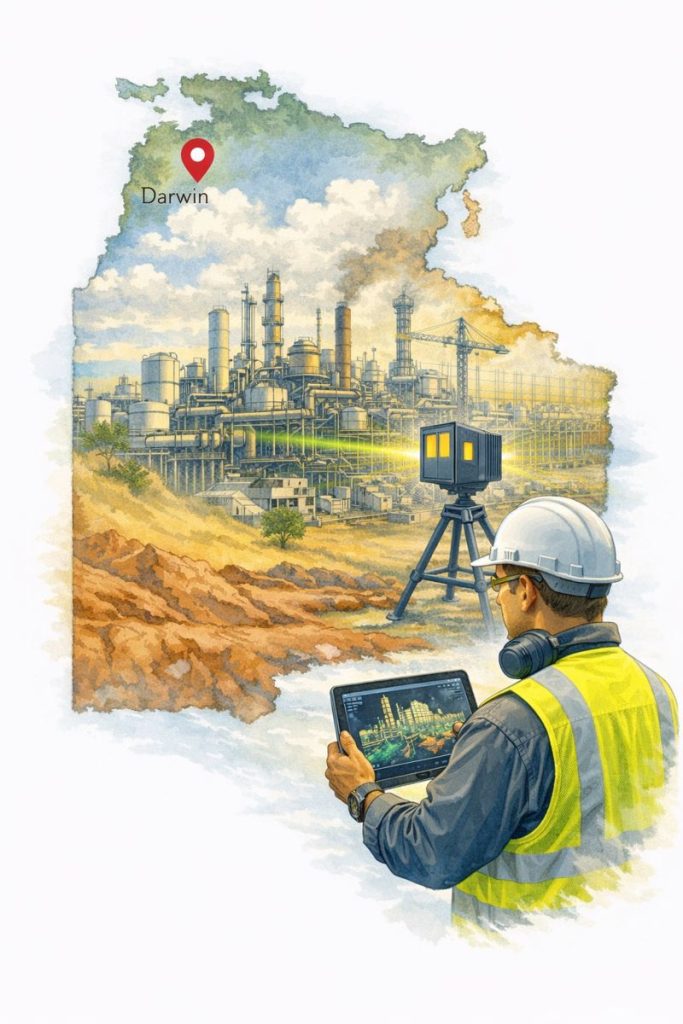
Industrial plant in Darwin being digitally captured with 3D scanning to support engineering design and upgrade planning.

Engineering-Grade Reality Capture for the Top End

Darwin projects operate in one of Australiaโ€™s most demanding environments. Remote logistics, extreme heat, cyclone exposure, corrosive coastal conditions and ageing infrastructure all place pressure on engineering projects to get it right the first time.

Hamilton By Design provides LiDAR and laser scanning services in Darwin that go beyond basic measurement. Our scanning is engineering-led, meaning data is captured with the end goal in mind โ€” mechanical design, structural verification, fabrication and construction.

This page complements our 3D Scanning Darwin landing page by focusing specifically on LiDAR and laser scanning and clearly explaining why these methods outperform traditional measurement techniques on Darwin-based projects.


What Is LiDAR & Laser Scanning?

LiDAR (Light Detection and Ranging) and terrestrial laser scanning use high-precision laser pulses to capture millions of spatial data points per second. These points form a 3D point cloud, accurately representing existing structures, plant, terrain and assets.

Unlike manual measurement, LiDAR captures entire environments, not just selected dimensions. This creates a permanent, revisit able digital record that engineers can interrogate long after leaving site.

In Darwin, where site access is costly and conditions are challenging, this capability is invaluable.


Why LiDAR & Laser Scanning Are Ideal for Darwin Projects

Darwin projects often involve:

  • Brownfield assets with poor documentation
  • Live facilities with limited access windows
  • Remote locations where repeat visits are expensive
  • Structures affected by corrosion, movement and deformation

LiDAR scanning directly addresses these challenges by replacing assumptions with measured reality.


LiDAR & Laser Scanning vs Traditional Measurement Methods

Traditional Measurement Methods

Common traditional approaches include:

  • Tape measures and laser distos
  • Total stations used selectively
  • Manual sketching and hand-marked dimensions
  • Assumptions based on legacy drawings

While these methods still have a place, they struggle in Darwinโ€™s complex industrial environments.


LiDAR & Laser Scanning โ€“ A Comparative Overview

AspectTraditional MethodsLiDAR & Laser Scanning
Data capturedLimited, selectiveMillions of points
AccuracyDepends on access & operatorConsistent, verifiable
Site timeHighReduced
Rework riskHighSignificantly reduced
Ability to revisit dataNoYes
SafetyManual access requiredReduced physical access
Suitability for brownfield sitesLimitedExcellent

Key Benefits of LiDAR & Laser Scanning in Darwin

1. Reduced Site Time in Remote Locations

Darwin projects often involve:

  • Fly-in/fly-out logistics
  • Restricted access windows
  • Live plant environments

LiDAR allows large, complex sites to be captured in a single visit, reducing the need for repeated trips.


2. Improved Safety in Harsh Conditions

Traditional measurement often requires:

  • Working at height
  • Accessing confined or hot spaces
  • Measuring near live equipment

Laser scanning significantly reduces the need for physical interaction with hazardous environments, improving safety outcomes.


3. Accurate Capture of Deformed & Corroded Assets

Darwinโ€™s tropical climate accelerates:

  • Steel corrosion
  • Structural movement
  • Alignment drift

LiDAR captures as-is geometry, not what drawings say should exist. This is critical for:

  • Port infrastructure
  • Marine assets
  • Industrial plant and pipework

4. Better Outcomes for Brownfield Engineering

Most Darwin projects are brownfield in nature. LiDAR supports:

  • Clash-free design
  • Accurate retrofit modelling
  • Confident fabrication

Designers can work knowing the model reflects reality, not assumptions.


5. Permanent Digital Record of Existing Conditions

Once scanned, a site becomes a digital asset. Engineers can:

  • Take additional measurements remotely
  • Validate future changes
  • Use scans as baseline data

This is particularly valuable for long-term asset management in the Northern Territory.


Engineering-Led LiDAR Scanning (Why It Matters)

Not all scanning services are equal.

Hamilton By Design delivers engineering-led LiDAR scanning, meaning:

  • Scans are planned around engineering outcomes
  • Data density suits mechanical and structural modelling
  • Critical interfaces and tolerances are prioritised

This ensures the point cloud transitions cleanly into design, analysis and fabrication, not just visualisation.


Typical Darwin Projects Using LiDAR & Laser Scanning

Defence & Government Facilities

  • Existing buildings with no drawings
  • Secure sites with limited access
  • Retrofit and upgrade projects

LiDAR reduces site exposure while improving design accuracy.


Ports & Marine Infrastructure

  • Wharf structures and steelwork
  • Bulk handling systems
  • Corrosion and deformation monitoring

Scanning enables fit-first-time fabrication in marine environments.


Oil, Gas & Energy Facilities

  • Congested process plants
  • Pipework tie-ins
  • Structural verification

LiDAR supports safe, efficient shutdown planning.


Mining & Bulk Materials

  • Crushing and screening plants
  • Conveyors and chutes
  • Remote site upgrades

Scanning allows design work to occur off-site with confidence.


Cyclone Remediation & Compliance

  • Structural assessment
  • Asset hardening
  • Documentation for compliance

LiDAR provides accurate baseline data for engineering decisions.


Utilities & Water Infrastructure

  • Pump stations
  • Treatment plants
  • Pipework routing

Scanning reduces excavation risk and coordination issues.


From LiDAR Scan to Engineering Deliverables

Hamilton By Design provides more than raw data.

Our Typical Deliverables Include:

  • Registered point clouds
  • 3D CAD models aligned to engineering standards
  • Fabrication-ready drawings
  • Structural and mechanical layouts
  • As-built documentation

This ensures scanning data is immediately useful, not an additional burden for project teams.


Integration With Hamilton By Design Services

LiDAR scanning in Darwin is often combined with:

Together, these services support a single-source, accountable workflow from capture to construction.


Why LiDAR Is Replacing Traditional Measurement in Darwin

In Darwin, traditional measurement methods often result in:

  • Missed dimensions
  • Rework and fabrication issues
  • Costly site returns
  • Program delays

LiDAR & laser scanning replace this uncertainty with measured reality, improving project certainty and reducing risk โ€” particularly in remote and high-cost environments.


Darwin LiDAR & Laser Scanning โ€“ Built for Real Conditions

Whether you are working on defence infrastructure, ports, LNG facilities, mining plant or cyclone-prone assets, LiDAR and laser scanning provide the foundation for better engineering outcomes.

Hamilton By Design delivers Darwin LiDAR scanning services that are practical, accurate and engineered for real-world construction โ€” not just data capture.

If your project requires certainty before design or fabrication begins, LiDAR scanning is not an optional extra โ€” itโ€™s the smart starting point.

Hamilton By Design logo displayed on a blue tilted rectangle with a grey gradient background
3D LiDAR scanning and 3D modelling service button โ€” laser scanner capturing a point cloud for engineering and CAD modelling
Mechanical engineering services

Our clients:
Name
Would you like us to arrange a phone consultation for you?
Address