Mechanical Engineering | 3D Scanning | 3D Modelling
Tag: engineering certification
Hamilton By Design provides engineering documentation, design verification and technical support for projects requiring engineering review or certification.
Certification requires reliable information about the design, materials, loads, existing conditions, fabrication and completed installation. Our services can help establish and document this information through site inspection, 3D LiDAR scanning, CAD modelling, mechanical calculations, finite element analysis and controlled engineering drawings.
Depending on the project, our support may include:
Existing-condition and as-built verification
Mechanical design calculations
Finite element analysis reports
General arrangement and fabrication drawings
Design assumptions and load information
Revision-controlled technical documentation
Coordination with specialist engineers
Installation and dimensional verification
Hamilton By Design provides mechanical engineering services within the competence and registration requirements applicable to each project. We do not provide structural engineering certification.
Where structural, civil, electrical, hydraulic or other specialist certification is required, the work must be reviewed and certified by an appropriately qualified and registered engineer. We can provide the scan data, CAD models, drawings and supporting information required to assist that review.
Certification can only be considered after the relevant design, fabrication, installation and supporting evidence have been appropriately reviewed.
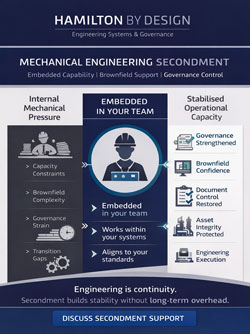
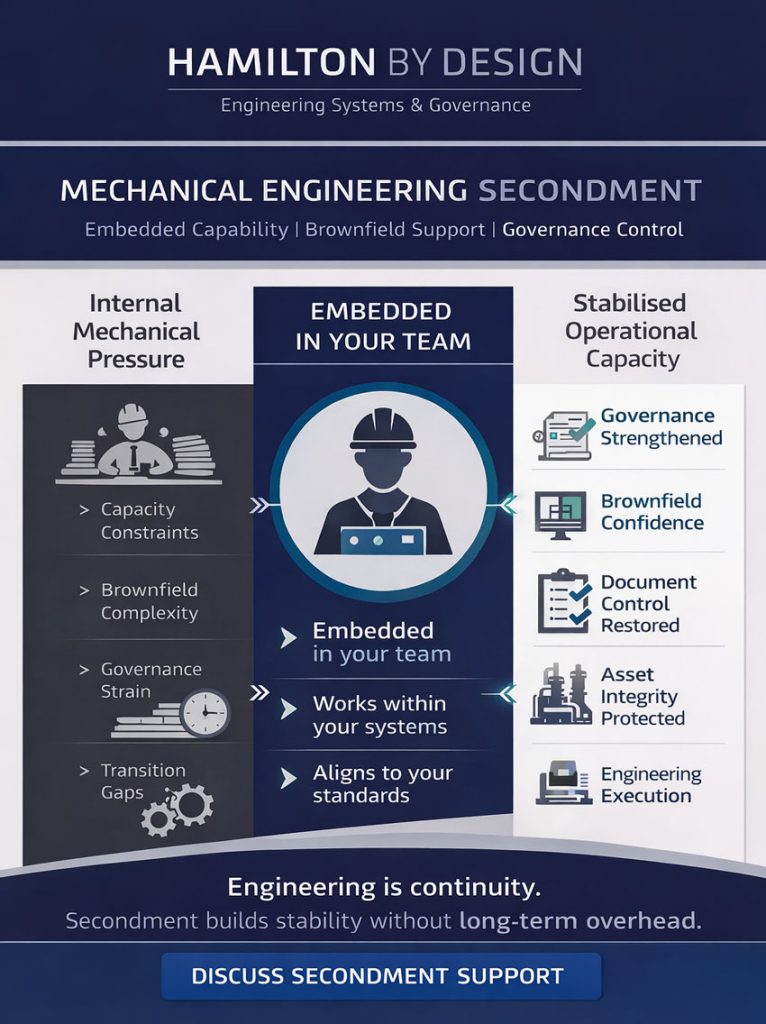
Mechanical engineering teams today operate under sustained pressure.
Shutdown windows are tighter
Brownfield modifications are constant
Documentation is often incomplete
Internal engineering resources are stretched
Capital approval cycles are slow
In this environment, hiring permanent staff is not always the right answer.
A structured engineering secondment provides capability, continuity, and control — without increasing long-term overhead.
At Hamilton By Design, secondment is not labour hire. It is embedded technical capability.
What Is Engineering Secondment?
Engineering secondment is the temporary placement of an experienced engineering professional into your organisation to operate as part of your internal team.
Unlike traditional consulting:
The engineer works within your systems
Aligns with your standards
Supports your projects directly
Reports within your governance structure
The objective is not to deliver a report and leave.
It is to strengthen your mechanical function during periods of load, transition, or change.
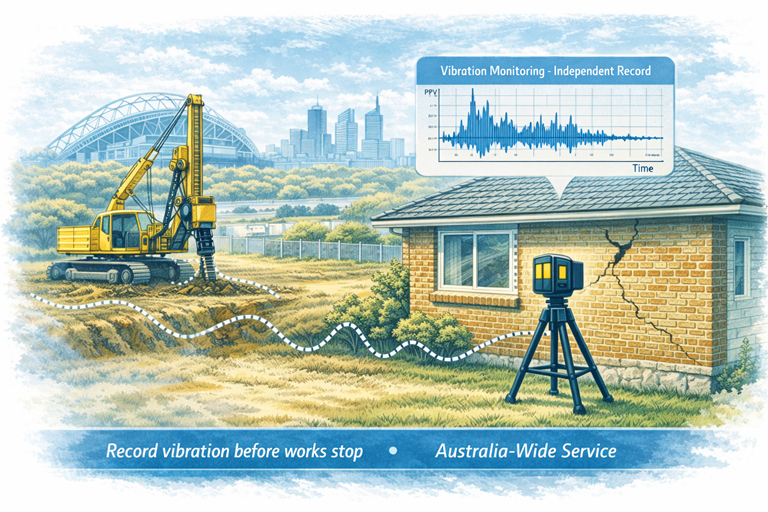
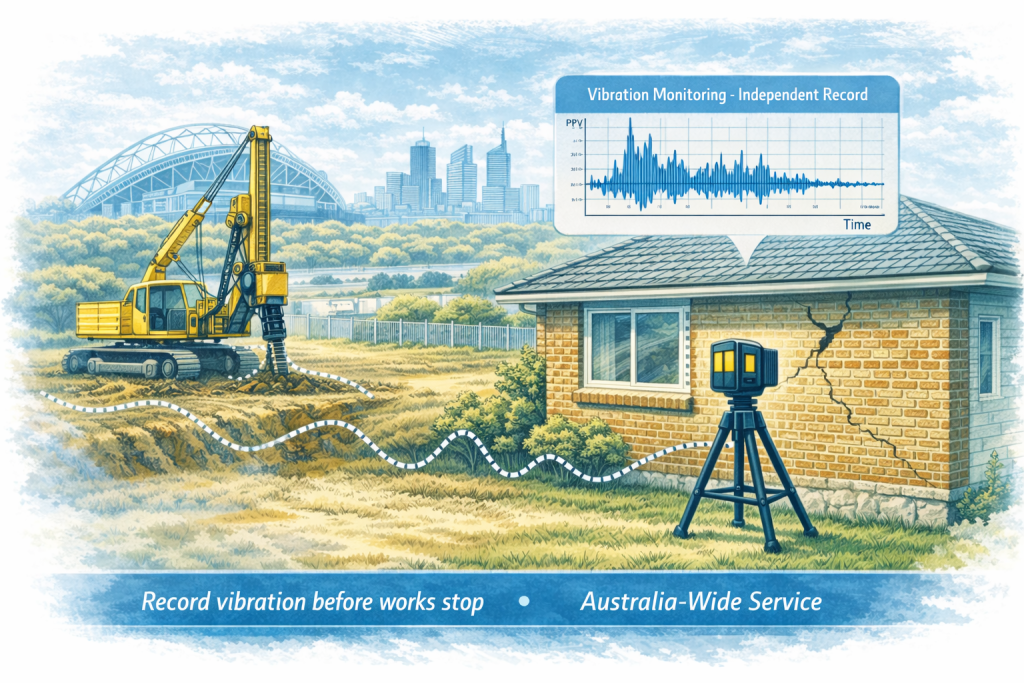
Construction activities such as piling, compaction, rock breaking, excavation and heavy vehicle movements can transmit ground vibration well beyond the worksite boundary. Occupants commonly report rattling windows, shaking floors, or movement felt through walls and ceilings.
This understandably raises a serious concern:
Will this cause damage to my property — and if it does, how will it be proven?
In practice, many property damage disputes are not determined by what occupants experienced, but by what can be objectively demonstrated. Without measurements taken during the works, it becomes extremely difficult to establish causation later.
Once the construction activity ceases, the opportunity to capture evidence is often permanently lost.
Why early measurement matters
Vibration is temporary. Structural cracking is permanent.
If vibration is not recorded while it is occurring, later assessments rely heavily on assumption rather than data. In the absence of measured information, the following questions become difficult to answer:
Was vibration present at the property?
How intense was it?
How frequently did it occur?
Was it within accepted engineering criteria?
Could it reasonably have contributed to observed damage?
By contrast, monitoring performed during the works provides an independent record of actual site conditions at the time events occurred.
Perception vs structural risk
Human perception of vibration does not necessarily correlate with structural damage.
People can feel vibration levels well below those typically associated with building harm. However, structural response depends on multiple variables:
soil type and ground transmission characteristics
distance to the works
construction methodology and equipment energy
building age and condition
prior movement or existing cracking
structural configuration and materials
Because of these factors, determining risk cannot be based on sensation alone. It requires measurement and engineering interpretation.
Protecting your position
In many cases, concerns are only raised after visible cracking appears or after works have finished. At that stage, establishing responsibility becomes significantly more complex.
The practical question becomes:
If you do not document the conditions affecting your property while they are occurring — who will?
Contractors monitor works to manage their risk. Property owners must also protect theirs.
Independent documentation obtained during construction provides a factual reference point for:
communication with neighbours or builders
engineering review
insurance discussion
legal or expert assessment if required
Hamilton By Design – independent vibration monitoring
Hamilton By Design provides independent vibration measurement and documentation for residential and commercial properties affected by nearby construction.
We travel across Australia to install monitoring equipment and record site conditions while works are underway.
Services may include:
installation of calibrated vibration monitoring equipment
event logging and trend review
engineering-grade documentation
guidance on next steps based on measured data
optional crack mapping or 3D capture where appropriate
Act while the works are active
The reliability of any later assessment depends on evidence captured during the period of activity.
Monitoring after the machinery leaves site cannot reconstruct past conditions — it can only speculate about them.
If construction is occurring near your property and you are concerned about potential damage, early documentation is the most effective way to protect your position.
Contact Hamilton By Design
If your home is experiencing vibration from nearby building activity, contact Hamilton By Design to record site conditions before the construction stops.
Hamilton By Design Co. Engineering • Measurement • Documentation Australia-wide service
A Practical Engineering Guide to Correct Fastener Selection in Australia
Bolts are one of the most common engineered components on any project — and also one of the most misunderstood.
In drawings they appear as a simple note: M16 – 8.8 – GALV
Yet behind that small call-out sits structural capacity, fatigue life, corrosion resistance, inspection compliance, and legal responsibility.
Many engineering failures do not occur because a beam was undersized or a calculation was incorrect. They occur because the wrong fastener type was selected for the application.
This article explains:
Bolt and nut property classes
Where each class should be used
Carbon steel vs stainless steel
Coatings and environment suitability
Structural vs mechanical bolting
Australian Standards governing fasteners
How to review and challenge incorrect selections — especially when mentoring graduate engineers
1. The Three Different Worlds of Bolting
Most confusion exists because people think a bolt is simply a stronger or weaker version of the same item.
In reality, bolts exist in three different engineering systems:
System
Purpose
Governing Standards
General Mechanical Fastening
Holding components together
ISO / AS 1110 / AS 4291
Structural Bolting
Load transfer between steel members
AS/NZS 1252 / AS 4100
Corrosion Resistant Fastening
Survive environment
Stainless / coatings standards
Using a bolt from the wrong system often creates hidden failures.
2. Bolt Property Classes (Metric)
Metric bolts are marked with numbers such as 4.6, 8.8, 10.9, 12.9
These numbers define material strength.
What the Numbers Mean
First number → Ultimate tensile strength (×100 MPa) Second number → Yield ratio
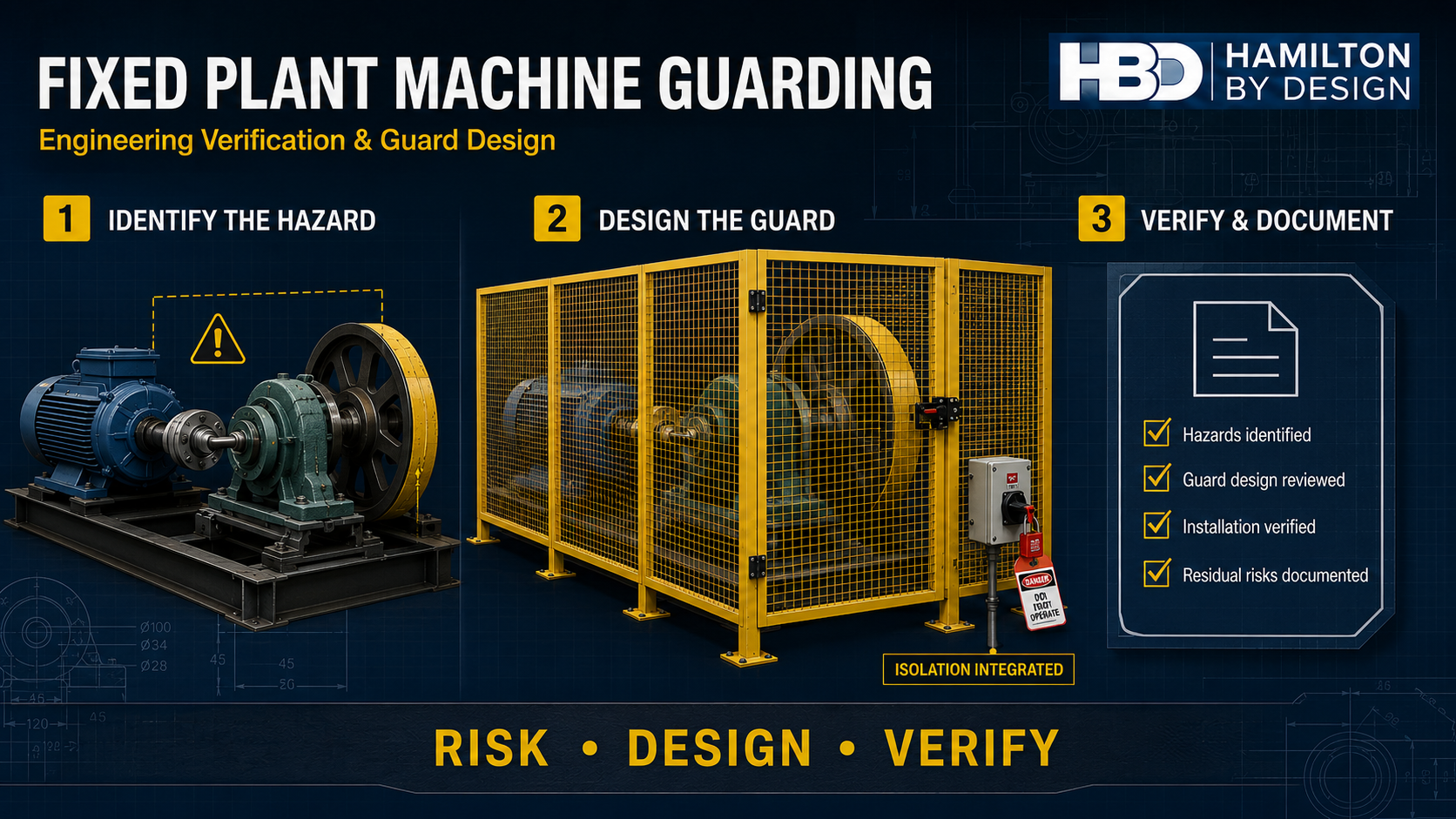
In industrial and mining environments, machine guarding is not a “nice to have” — it’s a critical engineering control that protects people, prevents downtime, and demonstrates compliance with Australian WHS expectations.
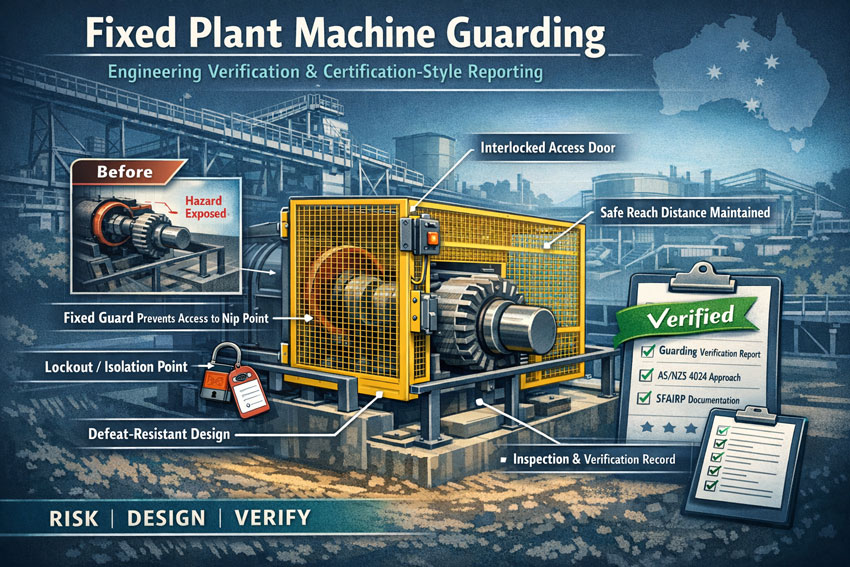
Hamilton By Design Co. provides engineering-led design consulting and certification-style verification for fixed plant machine guarding, including new guarding systems, upgrades, and retrofit solutions for existing equipment.
Our focus is simple: protect workers, support safe production, and provide clear, defensible engineering documentation.
What We Mean by “Guarding Certification”
In Australia, machine guarding is not typically certified under a single universal “product stamp.” Instead, machine guarding is assessed and verified through:
engineering design and risk-based safeguarding
alignment to recognised standards and good practice
site verification, inspection, and documentation that supports WHS duties
When we certify a guarding design, we provide an engineering verification that the guarding system has been assessed against Australian safety expectations and provides risk reduction so far as reasonably practicable (SFAIRP) for the intended use.
Fixed Plant Machine Guarding Services
We support fixed plant guarding across mining, processing, manufacturing, infrastructure and heavy industry, including:
Guarding Design & Retrofit Engineering
Fixed guards, mesh guards and perimeter guarding
Access prevention and safe maintenance access planning
Retrofit guarding upgrades for brownfields equipment
(Where functional safety calculations or specialist electrical control validation is required, we can work alongside your controls team or specialist partners.)
What We Deliver
Each project is documented for clarity and defensibility. Typical deliverables include:
Design drawings / sketches and installation guidance
Verification checklist (inspection points and acceptance criteria)
Engineering Verification Report (often used as “certification” evidence)
Photo record and “as-installed” notes (where applicable)
Limitations, assumptions, and maintenance requirements
Standards & Compliance Approach
Our methodology is aligned with widely accepted Australian safeguarding practice, including:
AS/NZS 4024 (Safety of Machinery series)
Risk-based safeguarding methodology consistent with ISO 12100 principles
WHS duty expectations for plant and machinery risk control
We don’t just reference standards — we apply them to real conditions on your site: access, maintenance needs, exposure time, and realistic human behaviour around machines.
Who We Work With
We support:
mine sites and processing plants
maintenance departments
project teams (brownfields upgrades and shutdown work)
workshop supervisors and fabrication teams
OEMs and equipment suppliers needing Australian verification support
Whether your plant is locally built or imported, the end goal is the same: a safe guarding system that holds up under WHS scrutiny.
Why Hamilton By Design
Hamilton By Design is an engineer-led team that understands operational realities. We design guarding that:
protects people without creating unsafe workarounds
supports maintainability and inspection access
is practical to fabricate and install
is backed by professional engineering documentation
If you need a guarding solution that is fit-for-purpose and properly verified, we can support your team from assessment to final sign-off.
Typical Use Cases
Imported machinery requiring Australian guarding verification
Pre-commissioning guard reviews before handover
Incident-driven guarding upgrades
Shutdown retrofit packages and fabrication-ready guard designs
Periodic plant guarding audits and gap registers
Call to Action
If you need a machine guarding certification-style verification or a complete fixed plant guarding design package, contact the Hamilton By Design team.
Let’s reduce risk, protect your people, and keep your plant operating safely.
Engineering Lessons from Recent Media: Foundations & Process First
A recent Tasmanian news story reported on a homeowner receiving a substantial payout after major renovations led to cracking in their house. The coverage in The Mercury described how the problems were linked to inadequate consideration of existing footings and ground conditions during the design of a second-storey extension:
Rather than revisiting who was right or wrong, the reporting offers a constructive opportunity to reflect on how everyday engineering processes can be improved—especially on renovation and brownfield projects where information is incomplete.
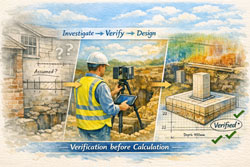
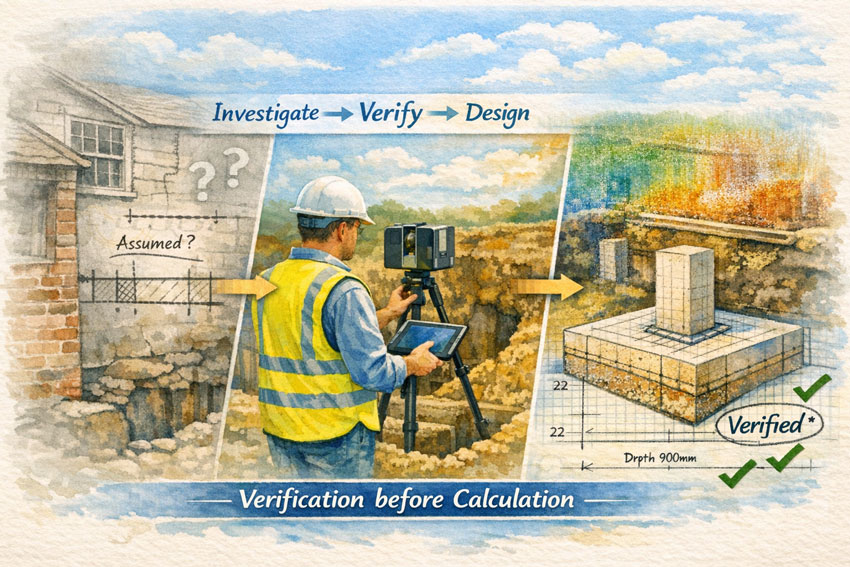
1. Investigation Is Part of Design
The media narrative highlights a simple truth: when we work with existing structures, the ground and foundations are not background details—they are primary design inputs.
Good practice means:
Treating site verification as a formal stage of the project
Making recommendations for geotechnical or structural checks early
Being clear about what is known and what is assumed
A design based only on drawings is never as reliable as one based on verified conditions.
2. Make Assumptions Visible
News coverage often shows that problems grow in the grey space between architect, engineer, and builder.
Helpful habits include:
Keeping an assumptions register shared by the whole team
Noting on drawings what has been confirmed on site
Setting clear triggers for further investigation
When assumptions have owners, risks have boundaries.
3. Communication Is a Structural Element
Many reported disputes stem less from technical ability and more from gaps in communication.
Engineers can lead by:
Discussing uncertainties openly at the start
Confirming decisions in writing after meetings
Encouraging contractors to report unexpected conditions
Good communication is often cheaper than remediation.
4. Scope Changes = Risk Changes
Renovations rarely stay the same as the first sketch. Media accounts of failures frequently involve projects that grew beyond the original intent.
Better process includes:
Re-checking engineering scope whenever the design evolves
Linking approvals to stages of investigation
Pricing verification as a real deliverable, not an afterthought
Clarity of scope is a form of structural strength.
5. Document the Story of the Project
Journalists and lawyers both rely on records to understand what happened.
For engineers, simple steps make a big difference:
Photos tied to inspection notes
Short design basis statements
Emails confirming client instructions
Sketches of as-found conditions
Documentation is not defensive—it is professional memory.
6. Respect the Interface Between Old and New
The media coverage repeatedly points to the moment where new work met an older structure. That interface is where uncertainty lives.
Practical responses:
Specific checks on existing footings before adding load
Independent review for heritage or unknown construction
Monitoring after completion to confirm behaviour
The junction between old and new deserves the most attention.
7. The Courage to Pause
Perhaps the most human lesson from the reports is that engineers sometimes need to slow a project down.
Saying:
“We need more information before proceeding”
is not obstruction—it is professionalism.
Organisations that support this courage protect clients and engineers alike.
Turning Headlines into Better Practice
The story covered by The Mercury and the subsequent industry commentary do not need to be read as cautionary tales. They can be read as learning opportunities:
Investigate before you calculate
Make assumptions visible
Communicate uncertainty early
Document decisions clearly
Treat existing conditions with respect
These are the foundations of good engineering, long before concrete is poured.
Final Thought
Risk will always exist in renovation and brownfield work. What we control is the process we wrap around that risk.
When engineers focus on verification, transparency, and collaboration, projects become safer, clients are better served, and the profession grows stronger.
Good engineering is not only about correct numbers— it is about asking the right questions at the right time.
References
“Woodbridge homeowner wins huge payout after home cracked following two-storey extension” — The Mercury (Tasmania) 🔗 https://www.themercury.com.au/truecrimeaustralia/police-courts-tasmania/woodbridge-homeowner-wins-huge-payout-after-home-cracked-following-twostorey-extension/news-story/32fe411a57c2471be44962cba86100bd
Employment Opportunities | Jobs in Australia | Hamilton By Design
Hamilton By Design is a growing Australian engineering and manufacturing business delivering practical, high-quality solutions to industrial and mining clients.
We are seeking motivated and safety-focused people who take pride in their work and enjoy being part of a hands-on, solutions-driven team. Opportunities may be available across design, machining, fabrication, and site support, depending on current projects and client needs.
Please review the positions listed below and apply to the role that best matches your skills and experience.
Location: Inner Sydney, NSW Employment Type: Full Time
About the Opportunity
Experienced Mechanical Design Draftsperson and Mechanical Engineer with over 2-3 years of industry experience across mining, mineral processing, bulk materials handling, manufacturing, infrastructure, ports, and heavy industrial environments.
Highly proficient in AutoCAD, Autodesk Inventor, SolidWorks, and 3D modelling workflows, with extensive experience delivering concept designs, detailed engineering drawings, manufacturing documentation, reverse engineering projects, and plant modification packages.
Possesses a strong background in engineering-grade LiDAR scanning and reality capture technologies, including advanced terrestrial laser scanning, point cloud processing, Scan-to-CAD workflows, and as-built verification. Experienced in operating industry-leading LiDAR systems and converting complex field-captured data into accurate 3D models, detailed manufacturing drawings, and engineering documentation.
Key capabilities include:
• Mechanical design and drafting for mining and industrial projects • Concept development through to detailed manufacturing documentation • AutoCAD 2D/3D and Autodesk Inventor modelling • SolidWorks mechanical design and assemblies • LiDAR scanning, point cloud registration, and reality capture workflows • Reverse engineering of existing plant and equipment • Engineering calculations and design verification • Structural steel detailing and minor structural design • General arrangement drawings, fabrication drawings, and BOM development • Equipment design including chutes, hoppers, conveyors, platforms, access systems, and material handling equipment • Design reviews, drawing checking, and quality assurance processes • Client, supplier, and fabrication workshop liaison • Site measurement, plant inspections, and brownfield project execution
Technical Expertise:
• Advanced LiDAR scanning technologies and reality capture systems • Point cloud processing and registration software • AutoCAD 2D/3D • Autodesk Inventor Professional • SolidWorks and 3D CAD modelling • Navisworks and clash detection workflows • Microsoft Office Suite • Engineering drawing standards and manufacturing documentation
Industry Experience:
• Construction Site Scanning • Mineral processing facilities • Bulk materials handling systems • Ports and terminals • Manufacturing facilities • Smelters and processing plants • Water and wastewater infrastructure • Energy and industrial facilities
Recognised for delivering accurate, practical, and cost-effective engineering solutions while maintaining high drafting standards, strong attention to detail, and a commitment to safety, quality, and project delivery.
Hamilton By Design Co. Email: [email protected] Subject: Application – LiDAR – SolidWorks – Inner Sydney NSW
Mechanical Draftsperson / SolidWorks Professional
Location: Fairfield–Liverpool Industrial Areas, NSW Employment Type: Full Time
About the Opportunity
Hamilton By Design Co. currently has a highly valued client seeking an experienced Mechanical Draftsperson / SolidWorks Professional to join their team. This opportunity would suit a motivated and technically capable individual looking to further develop their career within industrial and heavy manufacturing environments.
The successful candidate will work within a fast-paced environment supporting mechanical design and drafting activities across a range of engineering projects.
Skills & Experience Required
Minimum of 2 years of relevant mechanical design or drafting experience
Experience within the industrial or heavy manufacturing sector
High-level communication and interpersonal skills
Experience using SolidWorks and various current 3D CAD software packages
A Bachelor of Mechanical Engineering, or an Associate Diploma / Mechanical Design Drafting qualification
Strong attention to detail and effective time management skills
Ability to work effectively within a team environment
Comfortable working within a fast-paced environment
Ability to multitask and manage multiple projects simultaneously
Strong organisational and problem-solving skills
Desirable Skills
Experience producing manufacturing and fabrication drawings
Understanding of Australian drafting standards
Experience with mechanical assemblies and industrial equipment
Exposure to mining, manufacturing, or industrial plant environments
What We Offer
Full-time secure employment
Opportunity to work on diverse engineering projects
Exposure to industrial and heavy manufacturing environments
Career development opportunities
Supportive team environment
Opportunity for ongoing growth and professional development
How to Apply
Please submit:
Resume/CV
Cover Letter
Examples of drafting or design work (if available)
Applications can be sent to:
Hamilton By Design Co. Email: [email protected] Subject: Application – SolidWorks – Fairfield–Liverpool Industrial Area
Fabrication Draftsperson / Project Co-ordinator
Location: Central Coast, NSW Employment Type: Full Time
About the Opportunity
Hamilton By Design Co. currently has a highly valued client seeking an experienced Fabrication Draftsperson / Project Co-ordinator to join their growing team on the Central Coast.
This opportunity would suit a motivated individual with strong technical and organisational skills who enjoys working across fabrication, drafting, and project delivery activities within industrial and manufacturing environments.
The successful applicant will work closely with engineering, workshop, and project teams to support projects from concept and design through to fabrication and delivery.
Key Responsibilities
Develop and review fabrication drawings and engineering documentation
Produce detailed 2D and 3D CAD models and technical drawings
Assist with project co-ordination and scheduling activities
Liaise with clients, suppliers, workshop personnel, and project stakeholders
Prepare Bills of Materials (BOMs) and fabrication documentation
Monitor project progress and support delivery outcomes
Support manufacturing and workshop operations where required
Assist with procurement and material tracking activities
Review drawings and documentation for quality and compliance
Participate in continuous improvement and problem-solving activities
Skills & Experience Required
Relevant qualification in Mechanical Engineering, Design Drafting, or a related discipline
Experience within fabrication, industrial, or manufacturing environments
Experience using SolidWorks, AutoCAD, or similar 3D CAD software
Strong communication and interpersonal skills
Strong organisational and time management abilities
Ability to work independently and within a team environment
Strong attention to detail
Ability to manage multiple priorities and projects simultaneously
Positive attitude and proactive problem-solving skills
Desirable Skills
Experience producing fabrication and workshop drawings
Understanding of manufacturing and fabrication processes
Experience with structural steel, mechanical assemblies, or industrial equipment
Understanding of Australian drafting and fabrication standards
Exposure to project delivery and client interaction
What We Offer
Full-time secure employment
Diverse and interesting engineering projects
Supportive and collaborative team environment
Professional development opportunities
Opportunity for career growth and advancement
Exposure to a range of industrial and manufacturing applications
How to Apply
Please submit:
Resume/CV
Cover Letter
Examples of drafting or project work (if available)
Applications can be sent to:
Hamilton By Design Co. Email: [email protected] Subject: Application – Fabrication Draftsperson Co-ordinator – Central Coast
Job Title: Casual FIFO Mechanical Engineer – Design & Project Support Location: FIFO to QLD mine sites (including Mount Isa region) Employment Type: Casual / Project-Based Roster: Shutdowns and short-term project rosters (varies by project) Industry: Mining, Resources & Energy | Engineering
About the Company
Hamilton By Design provides mechanical engineering, design, and site support services to mining and industrial operations. We work across maintenance, shutdowns, and capital projects, delivering practical, site-ready engineering solutions.
About the Role
We are seeking a Mechanical Engineer with approximately 3+ years’ experience for casual FIFO engagements, supporting design, planning, and project execution on active mine sites and industrial facilities.
This role suits engineers who enjoy project-based work and gaining hands-on site experience across a variety of scopes.
Key Responsibilities
Mechanical design and drafting support using SolidWorks
Producing and reviewing fabrication and installation drawings
Assisting with project planning, scheduling, and coordination
Liaising with site supervisors, trades, and contractors
Supporting procurement, fabrication, and installation activities
Participating in site inspections and commissioning support
Ensuring compliance with safety, quality, and engineering standards
What We’re Looking For
Bachelor’s degree in Mechanical Engineering
Approximately 3+ years’ experience in mechanical design and project environments
Strong CAD skills (SolidWorks preferred)
Exposure to project coordination or delivery on industrial or mining sites
Ability to mobilise for FIFO work and operate in site environments
Strong safety focus and communication skills
Mandatory Requirements
Current Australian work rights
White Card
Ability to pass site medical and D&A screening
Willingness to complete site inductions (e.g. Standard 11 if required)
What We Offer
Competitive casual FIFO rates and project allowances
Flights, accommodation and meals provided
Exposure to mining shutdowns and brownfield projects
Opportunity for repeat project engagements
How to Apply
Please send your resume and brief summary of your design and project experience to: 📧 [email protected] Subject: Application – Casual FIFO Mechanical Engineer (Design & Projects)
Job Title: Cleaner – Residential, Office & Factory Cleaning Location: Mount Isa, QLD Employment Type: Casual or Part-Time (with opportunity for ongoing work) Industry: Trades & Services | Cleaning Services
About the Company
Hamilton By Design provides maintenance and support services to residential, commercial, and industrial clients in Mount Isa. We take pride in delivering reliable, high-quality service and building strong relationships with our customers.
About the Role
We are seeking reliable and motivated Cleaners to carry out cleaning services across homes, offices, and factory environments in Mount Isa. This role is ideal for someone who takes pride in their work and is comfortable working in a variety of environments.
Key Responsibilities
General residential cleaning (bathrooms, kitchens, floors, dusting)
Office cleaning including desks, amenities and common areas
Factory and light industrial cleaning (workshops, lunchrooms, amenities)
Safe use of cleaning equipment and chemicals
Maintaining high standards of cleanliness and hygiene
Following site safety and access procedures
What We’re Looking For
Previous cleaning experience (residential, commercial or industrial preferred)
Strong attention to detail and reliability
Ability to work independently and manage time effectively
Good communication skills and professional presentation
Current driver’s licence and reliable transport (preferred)
White Card (preferred for factory sites)
What We Offer
Steady local work in Mount Isa
Flexible hours depending on client needs
Supportive team environment
Opportunity for ongoing work for the right candidate
How to Apply
Please send your resume and brief work history to: 📧 [email protected] Subject: Application – Cleaner (Mount Isa)
To provide the best experiences, we use technologies like cookies to store and/or access device information. Consenting to these technologies will allow us to process data such as browsing behaviour or unique IDs on this site. Not consenting or withdrawing consent, may adversely affect certain features and functions.
Functional
Always active
The technical storage or access is strictly necessary for the legitimate purpose of enabling the use of a specific service explicitly requested by the subscriber or user, or for the sole purpose of carrying out the transmission of a communication over an electronic communications network.
Preferences
The technical storage or access is necessary for the legitimate purpose of storing preferences that are not requested by the subscriber or user.
Statistics
The technical storage or access that is used exclusively for statistical purposes.The technical storage or access that is used exclusively for anonymous statistical purposes. Without a subpoena, voluntary compliance on the part of your Internet Service Provider, or additional records from a third party, information stored or retrieved for this purpose alone cannot usually be used to identify you.
Marketing
The technical storage or access is required to create user profiles to send advertising, or to track the user on a website or across several websites for similar marketing purposes.