What Is the Difference Between a Terrestrial Scanner and a LiDAR Scanner?

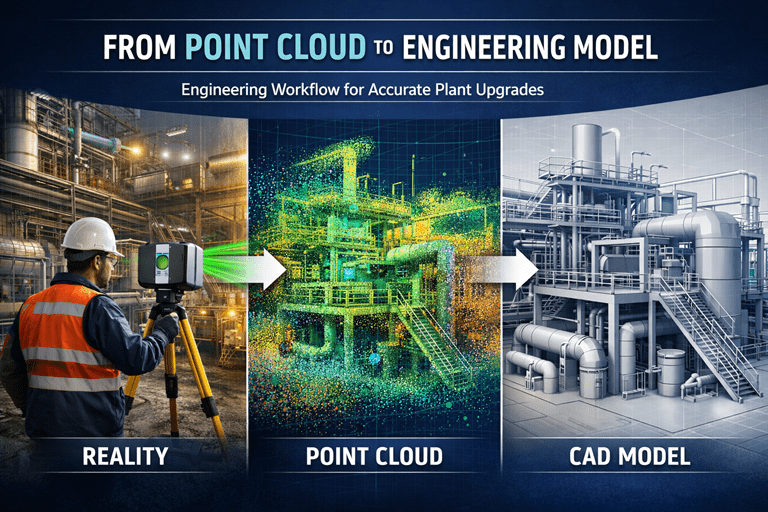
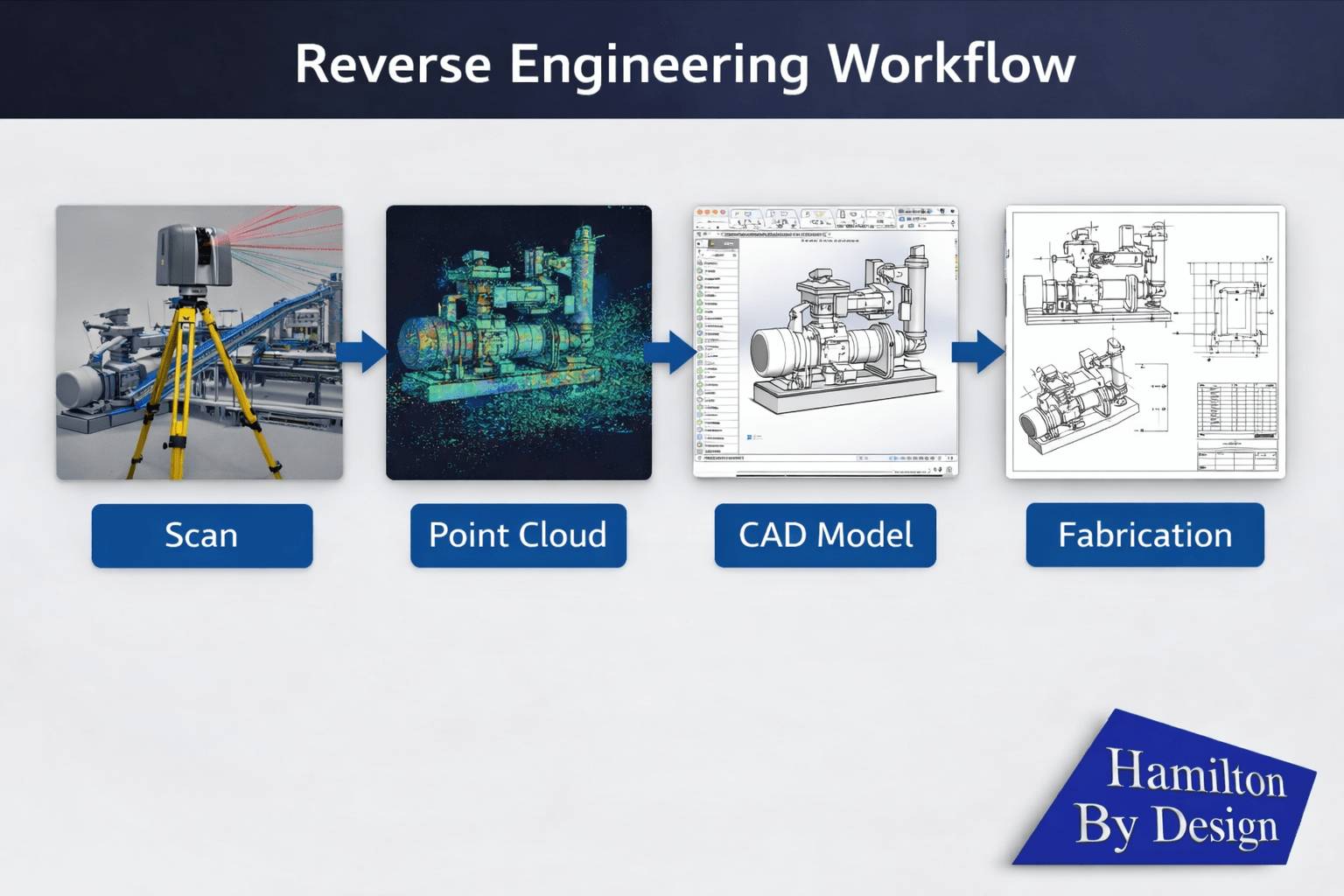
Terrestrial, mobile SLAM and drone LiDAR scanners capturing an industrial plant with engineers reviewing point cloud data and drawings

Terrestrial vs LiDAR Scanners | What’s the Difference?

Confusion around terrestrial scanning and LiDAR scanning is common — and understandable.
The two terms are often used interchangeably, even though they describe different things.

This page explains the difference in plain language, shows where each approach fits, and helps you decide what level of accuracy and risk is appropriate for your project.


Short Answer (If You’re in a Hurry)

LiDAR describes the laser measurement technology.
Terrestrial describes how and where that LiDAR scanner is deployed.

Most terrestrial scanners use LiDAR, but not all LiDAR scanners are terrestrial.


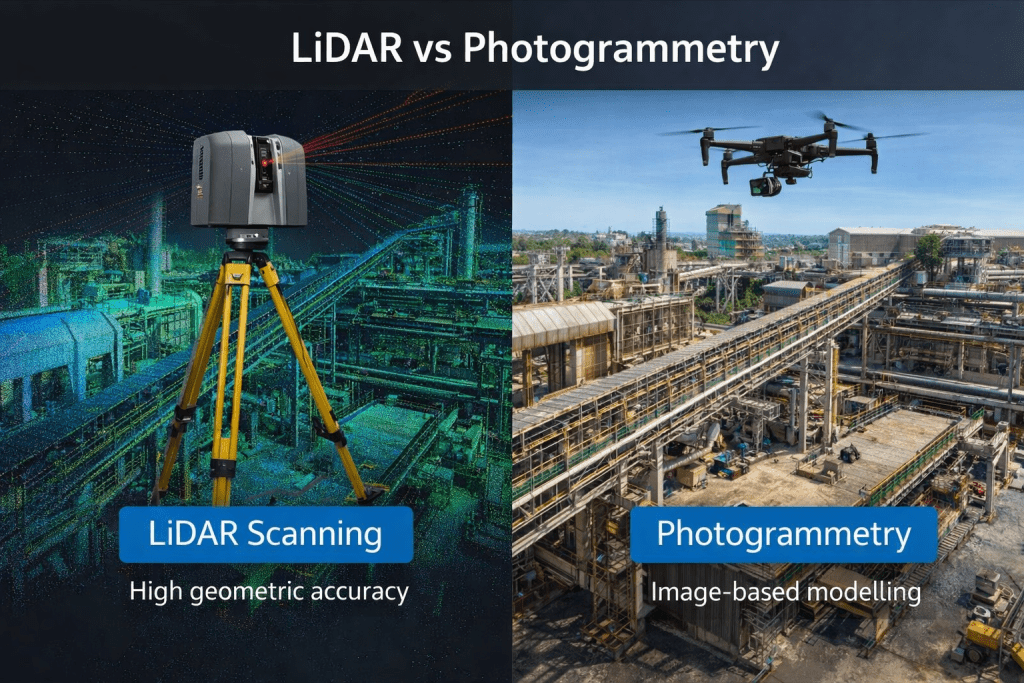
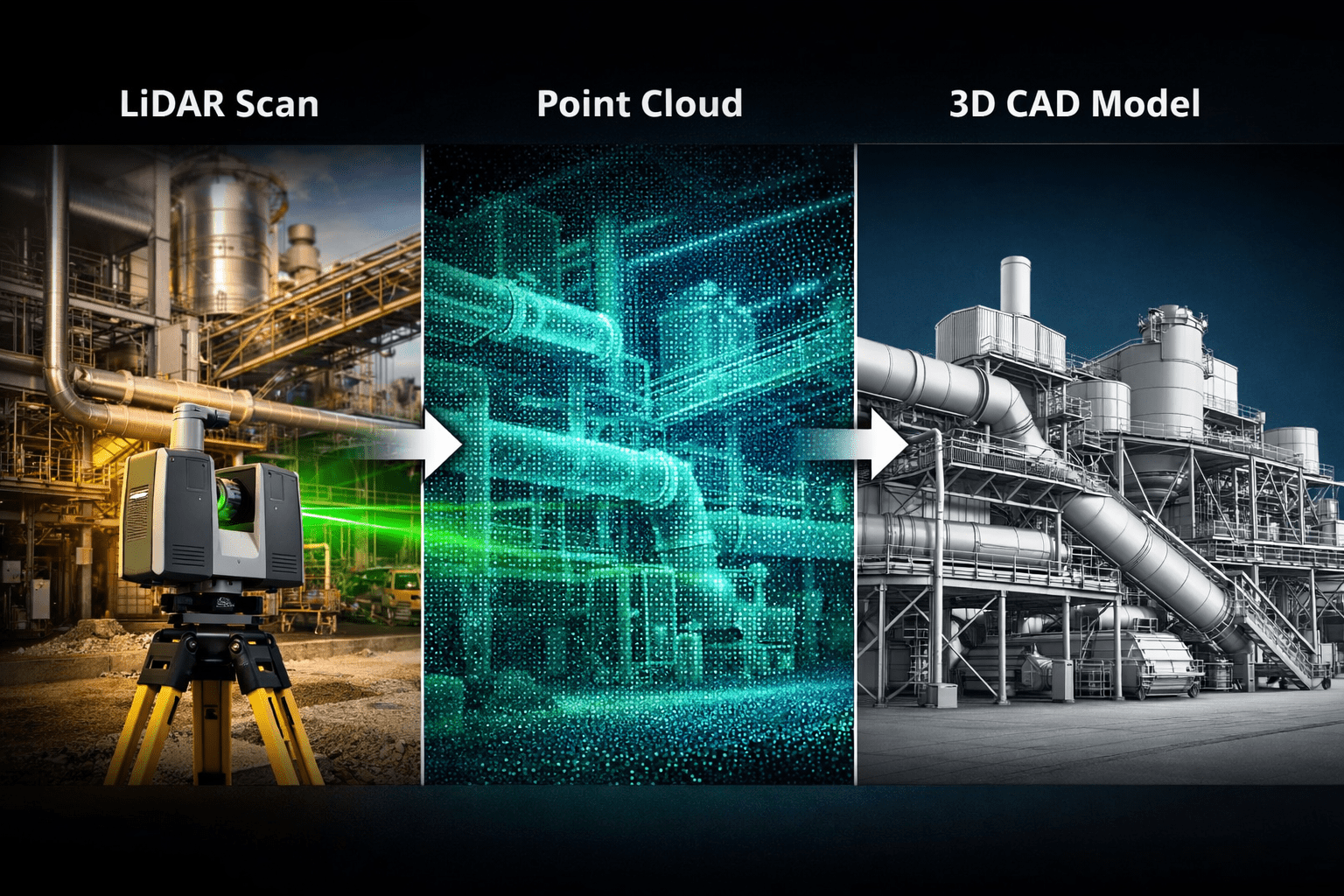
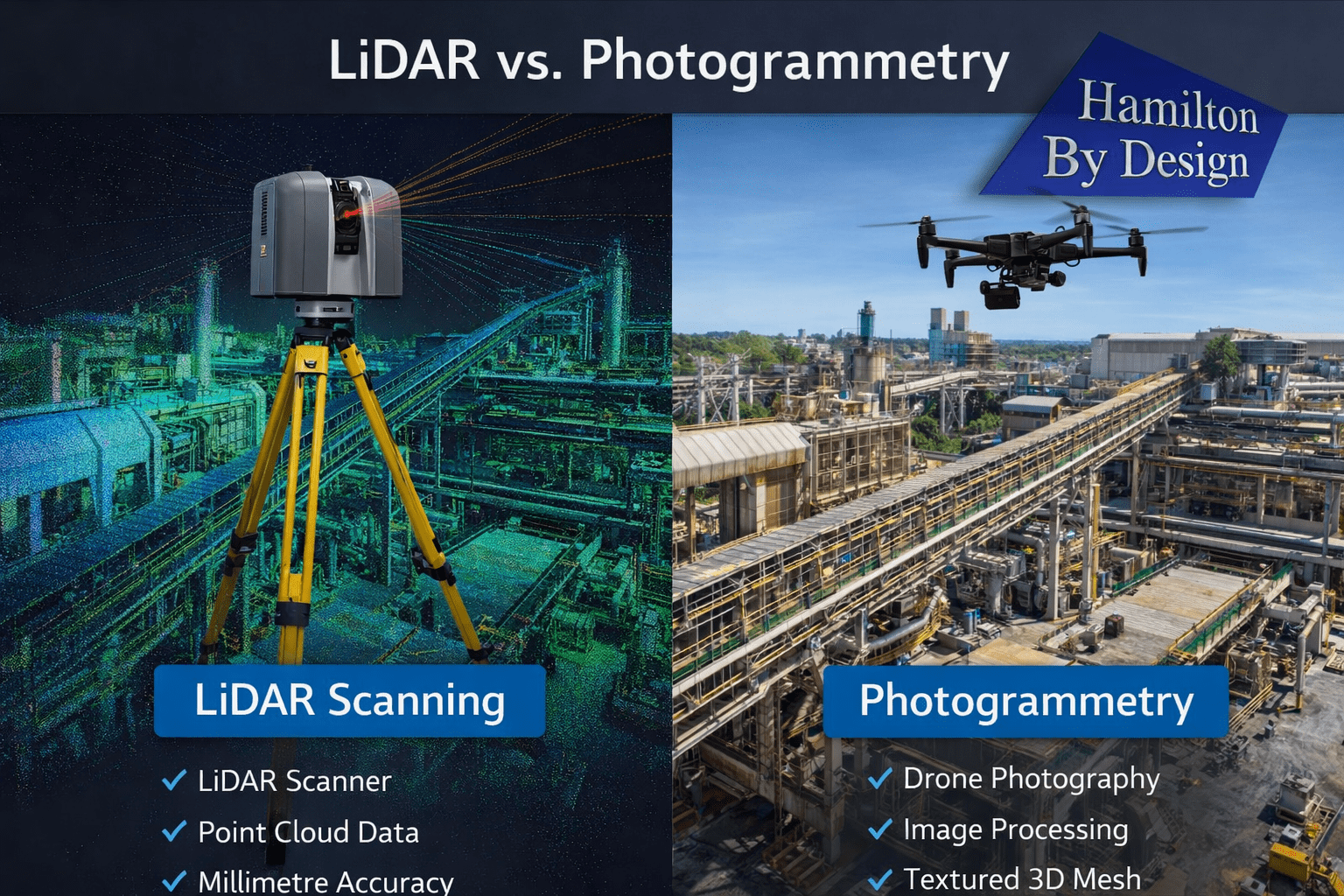
Illustration comparing terrestrial LiDAR, mobile SLAM LiDAR and drone scanning on an industrial facility

What Is LiDAR?

LiDAR (Light Detection and Ranging) is a method of measuring distance using laser light.

How LiDAR works

  • A laser pulse is emitted
  • The pulse reflects off an object
  • The return time is measured
  • Distance is calculated and stored as a 3D point

Millions of these points form a point cloud that represents real-world geometry.

What LiDAR is good for

  • Accurate 3D measurement
  • Complex geometry
  • Low-light or enclosed environments
  • Engineering, construction, and industrial sites

LiDAR answers: How is distance measured?


What Is a Terrestrial Scanner?

A terrestrial scanner is a ground-based scanning system, usually mounted on a tripod or fixed position.

Key characteristics

  • Fixed scan position
  • Controlled setup and coverage
  • Known geometry and reference
  • High repeatability and validation

Typical environments

  • Processing plants and CHPPs
  • Structural steelwork
  • Conveyor systems
  • Brownfield tie-ins
  • As-built verification
  • Shutdown-critical fit-up work

Terrestrial answers: Where and how is the LiDAR deployed?


How the Two Terms Relate (This Is the Important Part)

A terrestrial scanner is a platform.
A LiDAR scanner is a technology.

Most modern terrestrial scanners are terrestrial LiDAR scanners.

Example: a tripod-mounted system such as the FARO Focus S-Series is:

  • LiDAR-based (laser measurement)
  • Terrestrial (ground-based, fixed setup)

Other Common LiDAR Scanner Types (And Why It Matters)

Scanner TypeHow It’s UsedTypical Outcome
Terrestrial LiDARTripod / fixedHighest control & accuracy
Mobile / SLAM LiDARHandheld / walk-throughFast capture, lower control
Vehicle-mounted LiDARCar / trolleyCorridor mapping
Aerial LiDARDrone / aircraftLarge areas, low detail

All are “LiDAR”, but not all are suitable for engineering design or fabrication.


Why This Distinction Matters for Projects

Many issues occur when:

  • A LiDAR scan is assumed to be engineering-grade
  • A mobile or SLAM scan is used beyond its intent
  • Accuracy, validation, or limitations are not clearly understood

This doesn’t mean one method is wrong — it means each has a purpose.

The key is aligning the scanner type with:

  • Required accuracy
  • Risk tolerance
  • Fit-up criticality
  • Intended use of the data

Our clients:


Simple Decision Guide (Client in Control)

If you need:

  • Fabrication or replacement parts → Terrestrial LiDAR
  • Shutdown-critical fit-up → Terrestrial LiDAR
  • Structural verification → Terrestrial LiDAR
  • Rapid site context only → Mobile / SLAM LiDAR
  • Large terrain or stockpiles → Aerial LiDAR

There is no “one best scanner” — only the right scanner for the outcome you want.


Comparison at a Glance

RequirementTerrestrial LiDARMobile / SLAM LiDAR
Accuracy controlHighModerate
RepeatabilityHighLower
Engineering defensibilityStrongLimited
Fit-up confidenceSuitableNot recommended
Capture speedSlowerFaster
Best use caseDesign & fabricationVisualisation & context

A Note on Engineering Use

Where scanning data feeds into engineering design, documentation, or fabrication, higher-control methods are typically required to align with engineering practice and Australian Standards expectations.

That doesn’t remove choice — it simply means the assumptions and limitations must match the intended use.


How We Approach This (Without Locking You In)

We’re happy to:

  • Work with terrestrial, mobile, or supplied scan data
  • Validate data before design where required
  • Align scanning effort with your risk, budget, and outcome
  • Clearly document assumptions and limitations

You stay in control of the approach — our role is to make sure the data supports the outcome you expect.


Hamilton By Design logo displayed on a blue tilted rectangle with a grey gradient background
3D LiDAR scanning and 3D modelling service button — laser scanner capturing a point cloud for engineering and CAD modelling
Mechanical engineering services

Next Step

If you’re unsure which scanning method suits your project:

Fill out the contact form and tell us:

  • What you want to build, replace, or verify
  • How the data will be used
  • Any constraints (budget, time, shutdown windows)

We’ll help you select a fit-for-purpose scanning approach, not just a scanner.


Name
Would you like us to arrange a phone consultation for you?
Address
Finite Element Analysis (FEA) engineering simulation button
Mechanical engineering services

Quality Policy

Hamilton By Design – Quality Policy

1. Purpose

Hamilton By Design is committed to delivering high-quality engineering services that meet client requirements, applicable standards, and regulatory obligations.

Our Quality Policy ensures that all work is performed with technical integrity, accuracy, accountability, and consistency, supporting safe, reliable, and fit-for-purpose outcomes across all projects.


2. Our Commitment to Quality

Hamilton By Design is committed to:

  • Delivering engineering solutions that are accurate, defensible, and fit for purpose
  • Applying sound engineering judgement, not blind replication
  • Meeting or exceeding client, regulatory, and contractual requirements
  • Continually improving our systems, processes, and services
  • Maintaining professional integrity and accountability in all work undertaken

3. Scope

This policy applies to all activities undertaken by Hamilton By Design, including:

  • Mechanical engineering and design
  • Engineering-grade LiDAR and 3D laser scanning
  • 3D CAD modelling and drafting
  • Structural and mechanical analysis
  • Fabrication-ready documentation
  • Engineering support for construction, mining, manufacturing, and industrial assets

The policy applies to employees, directors, contractors, and consultants working on behalf of Hamilton By Design.


4. Quality Objectives

Hamilton By Design achieves quality outcomes by:

  • Understanding client requirements and project objectives before commencing work
  • Defining scope, assumptions, and limitations clearly
  • Applying appropriate standards, codes, and best-practice engineering methods
  • Ensuring drawings, models, and deliverables are checked and reviewed
  • Delivering documentation suitable for construction, fabrication, and site use
  • Maintaining traceability of design decisions and changes

5. Engineering-Led Quality Approach

Quality at Hamilton By Design is underpinned by an engineering-led workflow, including:

  • Engineering-grade data capture suitable for downstream design and fabrication
  • Design intent based on function, safety, and service life—not just geometry
  • Integration of scanning, modelling, analysis, and documentation under single-source accountability
  • Professional judgement informed by experience, standards, and site conditions

6. Continuous Improvement

Hamilton By Design is committed to continuous improvement through:

  • Regular review of processes and project outcomes
  • Learning from lessons identified during project delivery
  • Incorporating client feedback
  • Updating systems to reflect industry best practice and technological advancements

Opportunities for improvement are actively encouraged and supported.


7. Compliance and Standards

Hamilton By Design will:

  • Comply with applicable Australian Standards, codes, and legislation
  • Align quality processes with ISO 9001 quality management principles
  • Meet client-specific quality and documentation requirements
  • Ensure records are maintained to demonstrate compliance and traceability

8. Roles and Responsibilities

Management

Management is responsible for:

  • Establishing and maintaining this Quality Policy
  • Providing resources to support quality outcomes
  • Promoting a culture of accountability and continuous improvement

Workers and Contractors

All workers are responsible for:

  • Performing work in accordance with agreed procedures and standards
  • Identifying and reporting quality issues or risks
  • Taking ownership of the quality of their work

9. Review of Policy

This Quality Policy will be reviewed periodically to ensure it remains current, effective, and aligned with:

  • Business objectives
  • Client expectations
  • Legislative and industry requirements

10. Quality Commitment Statement

Hamilton By Design is committed to delivering engineering services you can rely on—accurate, accountable, and fit for purpose—every time.

Approved by:
Hamilton By Design Management

Effective Date: 06/12/2006

3D LiDAR scanning and 3D modelling service button — laser scanner capturing a point cloud for engineering and CAD modelling
Mechanical engineering services
Finite Element Analysis (FEA) engineering simulation button
Mechanical engineering services

Emergency Management Policy

Hamilton By Design – Emergency Management Policy

Hamilton By Design is committed to protecting the health and safety of employees, contractors, clients, and visitors by ensuring effective planning, preparedness, and response to emergency situations.

This Emergency Management Policy outlines the framework for identifying potential emergency situations and responding in a timely, coordinated, and effective manner to minimise harm to people, property, and the environment.


Scope

This policy applies to all Hamilton By Design activities, including:

  • Office-based engineering and design work
  • 3D LiDAR scanning and site data capture
  • Engineering inspections and site visits
  • Work performed at client, construction, industrial, and mining sites
  • Interaction with clients, contractors, and visitors

Emergency Preparedness

Hamilton By Design will:

  • Identify potential emergency situations relevant to its activities, including but not limited to:
    • Fire and smoke
    • Medical emergencies
    • Chemical exposure or spills
    • Electrical incidents
    • Structural instability or collapse
    • Vehicle incidents
    • Extreme weather events
  • Maintain emergency response procedures appropriate to the nature of work being undertaken
  • Ensure access to emergency contact information and first aid resources
  • Comply with client and site-specific emergency management requirements when working off-site

Emergency Response

In the event of an emergency, Hamilton By Design will:

  • Prioritise the safety of people above all other considerations
  • Follow established emergency response procedures and site-specific emergency plans
  • Evacuate or isolate areas as required
  • Notify emergency services and relevant authorities when required
  • Communicate clearly with affected personnel, clients, and contractors

Roles and Responsibilities

Management

Management is responsible for:

  • Ensuring emergency management procedures are in place and maintained
  • Providing appropriate resources, training, and support
  • Coordinating emergency response where reasonably practicable

Employees and Contractors

Employees and contractors are responsible for:

  • Familiarising themselves with emergency procedures relevant to their work
  • Following emergency instructions and site rules
  • Reporting emergencies, hazards, or near misses immediately

Training and Awareness

Hamilton By Design ensures that:

  • Personnel are informed of emergency procedures applicable to their workplace or site
  • Site-specific emergency inductions are completed where required
  • Emergency awareness is maintained through ongoing communication

Incident Reporting and Review

All emergency incidents, near misses, and significant events must be reported. Hamilton By Design will investigate incidents to identify causes and implement corrective actions to prevent recurrence.


Business Continuity Considerations

Where appropriate, Hamilton By Design will take reasonable steps to:

  • Protect critical data and digital assets
  • Maintain continuity of engineering services following an emergency
  • Support recovery and return-to-work activities

Review and Continuous Improvement

This Emergency Management Policy is reviewed periodically to ensure it remains current, effective, and aligned with legislative requirements, operational changes, and industry best practice.


Approved by:
Hamilton By Design Management

Effective Date: 06/12/2006

Hamilton By Design logo displayed on a blue tilted rectangle with a grey gradient background
3D LiDAR scanning and 3D modelling service button — laser scanner capturing a point cloud for engineering and CAD modelling
Mechanical engineering services
3D LiDAR scanning and 3D modelling service button — laser scanner capturing a point cloud for engineering and CAD modelling
Mechanical engineering services
Finite Element Analysis (FEA) engineering simulation button
Mechanical engineering services

Mechanical Engineering | Structural Engineering


Fatigue Management Policy

Hamilton By Design – Fatigue Management Policy

1. Purpose

Hamilton By Design is committed to providing a safe, healthy, and productive work environment.
The purpose of this Fatigue Management Policy is to identify, assess, and manage fatigue-related risks to ensure work is performed safely and effectively.

Fatigue can impair judgement, reaction time, decision-making, and situational awareness. In engineering and site-based environments, unmanaged fatigue presents a significant safety risk.


2. Scope

This policy applies to:

  • Employees
  • Directors and officers
  • Contractors and consultants
  • Subcontractors
  • Any person performing work on behalf of Hamilton By Design

This policy applies to office work, remote work, travel, and site-based activities, including shutdowns and extended work periods.


3. Definition of Fatigue

Fatigue is a state of physical and/or mental exhaustion that reduces a person’s ability to perform work safely and effectively.

Fatigue may result from:

  • Long work hours
  • Insufficient sleep or rest
  • Extended travel or commuting
  • High mental workload or sustained concentration
  • Night work or early starts
  • Poor work-life balance

4. Responsibilities

4.1 Hamilton By Design

Hamilton By Design will:

  • Plan work to minimise fatigue risk
  • Monitor working hours, travel demands, and workload
  • Avoid scheduling excessive hours where practicable
  • Ensure fatigue risks are considered when planning site work and shutdown activities
  • Encourage open communication regarding fatigue concerns
  • Take reasonable action where fatigue risk is identified

4.2 Workers

All workers are responsible for:

  • Presenting fit for work and adequately rested
  • Managing personal fatigue and wellbeing
  • Not performing work when fatigued to the point it may affect safety
  • Reporting fatigue concerns to management as soon as practicable
  • Following client and site-specific fatigue management requirements

5. Working Hours and Rest

To manage fatigue, Hamilton By Design will, where reasonably practicable:

  • Plan work schedules to allow adequate rest between shifts
  • Consider cumulative fatigue during extended or consecutive workdays
  • Manage travel to avoid excessive driving hours, particularly after long workdays
  • Allow rest breaks during prolonged periods of work or travel

Workers must take reasonable steps to ensure they obtain sufficient sleep and rest prior to performing work.


6. Travel and Remote Work

Hamilton By Design recognises that travel and remote work can significantly contribute to fatigue.

  • Travel time will be considered when planning work schedules
  • Workers must not drive or operate vehicles when fatigued
  • Alternative arrangements (rest breaks, overnight accommodation, or schedule changes) will be implemented where practicable
  • Remote and isolated work will be planned to minimise fatigue risk

7. High-Risk and Safety-Critical Work

Additional fatigue controls may be implemented for:

  • Shutdowns and time-critical work
  • Work requiring high levels of concentration or judgement
  • Site activities with elevated safety risk

Where fatigue is identified as a risk, work may be modified, delayed, or suspended.


8. Reporting Fatigue

Workers are encouraged to report fatigue without fear of reprisal.

  • Fatigue reports will be treated seriously and confidentially
  • Reporting fatigue will not result in disciplinary action when raised in good faith
  • Early reporting helps prevent incidents and injuries

9. Non-Compliance

Failure to comply with this policy may result in:

  • Removal from work duties or site
  • Review of work arrangements
  • Disciplinary action where applicable
  • Termination of engagement in serious or repeated cases

10. Policy Review

This policy will be reviewed periodically to ensure alignment with:

  • Australian WHS legislation
  • Client and site requirements
  • Industry best practice

11. Commitment

Hamilton By Design is committed to managing fatigue proactively to protect the safety, wellbeing, and performance of all people engaged in our work.


Approved by:
Hamilton By Design Management

Effective Date: 06/12/2006

Hamilton By Design logo displayed on a blue tilted rectangle with a grey gradient background
3D LiDAR scanning and 3D modelling service button — laser scanner capturing a point cloud for engineering and CAD modelling
Mechanical engineering services
3D LiDAR scanning and 3D modelling service button — laser scanner capturing a point cloud for engineering and CAD modelling
Mechanical engineering services
Finite Element Analysis (FEA) engineering simulation button
Mechanical engineering services

Mechanical Engineering | Structural Engineering


Fitness for Work Policy

Hamilton By Design – Fitness for Work Policy

1. Purpose

Hamilton By Design is committed to providing a safe, healthy, and productive working environment for employees, contractors, clients, and visitors.
The purpose of this Fitness for Work Policy is to ensure that all persons performing work on behalf of Hamilton By Design are physically and mentally capable of safely carrying out their duties, without risk to themselves or others.

Fitness for work is critical to maintaining high standards of safety, engineering judgement, and professional performance—particularly when working on industrial sites, construction environments, and shutdown-critical projects.


2. Scope

This policy applies to:

  • Employees
  • Directors and officers
  • Contractors and consultants
  • Subcontractors
  • Any person performing work on behalf of Hamilton By Design

This policy applies to office-based work, remote work, and site-based activities, including travel to and from work sites where required as part of duties.


3. Definition of Fitness for Work

A person is considered fit for work when they are in a physical and mental condition that enables them to perform assigned tasks competently and safely.

Factors that may affect fitness for work include, but are not limited to:

  • Fatigue
  • Alcohol or drug use
  • Medical conditions or injuries
  • Stress or mental health concerns
  • Medication that may impair performance
  • Illness
  • Excessive working hours or insufficient rest

4. Responsibilities

4.1 Hamilton By Design

Hamilton By Design will:

  • Take reasonable steps to ensure workers are fit for work
  • Manage work hours, travel, and workload to reduce fatigue risk
  • Comply with client site fitness-for-work and drug & alcohol requirements
  • Provide a supportive environment where fitness-for-work concerns can be raised without fear of reprisal
  • Take appropriate action where fitness for work may be compromised

4.2 Workers

All workers are responsible for:

  • Presenting fit for work at all times
  • Managing personal health and fatigue
  • Not attending work while impaired by alcohol, drugs, fatigue, or illness
  • Complying with client and site-specific fitness-for-work requirements
  • Promptly reporting any condition that may affect their ability to work safely

5. Fatigue Management

Hamilton By Design recognises fatigue as a significant safety risk.

To manage fatigue:

  • Work hours and travel will be planned to allow adequate rest
  • Extended hours and high-risk activities will be assessed and managed
  • Workers must advise management if they believe fatigue may affect their safety or performance
  • Workers must not perform safety-critical tasks when fatigued

6. Alcohol and Drugs

Workers must not attend work while under the influence of alcohol or drugs that may impair judgement, coordination, or reaction time.

  • Zero tolerance applies where required by client or site rules
  • Workers must comply with client drug and alcohol testing requirements
  • Prescription and over-the-counter medications that may affect performance must be managed responsibly

Any concerns regarding impairment will be addressed immediately and may result in removal from work duties.


7. Medical Conditions and Medication

Workers must ensure that any medical condition, injury, or medication does not compromise their ability to work safely.

Where required:

  • Workers should inform management of any condition that may affect safety
  • Reasonable adjustments may be implemented where practicable
  • Medical clearance may be required for specific site or task requirements

All medical information will be treated confidentially.


8. Mental Health and Wellbeing

Hamilton By Design recognises that mental health is an important component of fitness for work.

  • Workers are encouraged to speak up if experiencing stress, anxiety, or other mental health concerns
  • Supportive and practical solutions will be considered where possible
  • No worker will be disadvantaged for raising genuine fitness-for-work concerns

9. Non-Compliance

Failure to comply with this policy may result in:

  • Removal from work duties or site
  • Further assessment of fitness for work
  • Disciplinary action, where applicable
  • Termination of engagement in serious cases

10. Review and Continuous Improvement

This policy will be reviewed periodically to ensure it remains current with legislative requirements, client expectations, and industry best practice.


11. Commitment

Hamilton By Design is committed to ensuring that all work is carried out by people who are fit for work, capable of exercising sound engineering judgement, and able to perform their duties safely and professionally.

Approved by:
Hamilton By Design Management

Effective Date: 06/12/2006

Hamilton By Design logo displayed on a blue tilted rectangle with a grey gradient background
3D LiDAR scanning and 3D modelling service button — laser scanner capturing a point cloud for engineering and CAD modelling
Mechanical engineering services
3D LiDAR scanning and 3D modelling service button — laser scanner capturing a point cloud for engineering and CAD modelling
Mechanical engineering services
Finite Element Analysis (FEA) engineering simulation button
Mechanical engineering services

Mechanical Engineering | Structural Engineering


Work Health & Safety Policy

Hamilton By Design – Work Health & Safety Policy

Hamilton By Design is committed to providing a safe and healthy work environment for all employees, contractors, clients, and visitors. We recognise that effective work health and safety management is fundamental to professional engineering practice and the successful delivery of our services.

This policy outlines our commitment to preventing injury and illness, managing workplace risks, and complying with all applicable work health and safety legislation.


Scope

This policy applies to all Hamilton By Design activities, including:

  • Mechanical and structural engineering services
  • 3D LiDAR scanning and site data capture
  • CAD modelling, drafting, and engineering analysis
  • Office-based work, workshops, and client sites
  • Interaction with clients, suppliers, and contractors

Our Commitment

Hamilton By Design is committed to:

  • Complying with all applicable Work Health and Safety (WHS) legislation, regulations, and codes of practice
  • Providing and maintaining a safe working environment and safe systems of work
  • Identifying hazards and implementing effective risk control measures
  • Preventing work-related injury, illness, and incidents
  • Consulting with workers on health and safety matters that affect them
  • Continually improving our WHS performance

Hazard Identification and Risk Management

Hamilton By Design applies a risk-based approach to health and safety by:

  • Identifying hazards associated with office-based and site-based activities
  • Assessing risks and implementing controls using the hierarchy of controls
  • Preparing and following Safe Work Method Statements (SWMS) and risk assessments where required
  • Reviewing risk controls to ensure they remain effective

Roles and Responsibilities

Management

Management is responsible for:

  • Implementing this policy and providing adequate resources to support WHS objectives
  • Ensuring risks are identified and controlled
  • Providing appropriate training, supervision, and instruction

Employees and Contractors

All employees and contractors are responsible for:

  • Taking reasonable care for their own health and safety
  • Ensuring their actions do not adversely affect others
  • Following WHS procedures, site rules, and client requirements
  • Reporting hazards, incidents, and near misses

Training and Competency

Hamilton By Design ensures that:

  • Personnel are appropriately trained and competent for the tasks they perform
  • Site-specific inductions are completed where required
  • WHS awareness is maintained through ongoing communication and engagement

Incident Reporting and Investigation

All incidents, injuries, and near misses must be reported promptly. Incidents are investigated to identify root causes and to implement corrective actions to prevent recurrence.


Site and Client Safety

When working on client or construction sites, Hamilton By Design will:

  • Comply with site-specific WHS requirements and permit systems
  • Use appropriate personal protective equipment (PPE)
  • Coordinate with clients and contractors to manage shared risks
Consultation and Communication

Hamilton By Design is committed to consulting with employees and contractors on WHS matters and encourages active participation in identifying hazards and improving safety outcomes.


Review and Continuous Improvement

This Work Health & Safety Policy is reviewed periodically to ensure it remains current, effective, and aligned with legislative requirements and industry best practice.

Approved by:
Hamilton By Design Management

Effective Date: 07/12/2006

Hamilton By Design logo displayed on a blue tilted rectangle with a grey gradient background
3D LiDAR scanning and 3D modelling service button — laser scanner capturing a point cloud for engineering and CAD modelling
Mechanical engineering services
Finite Element Analysis (FEA) engineering simulation button
Mechanical engineering services