Engineering Preparation for Mining Shutdowns

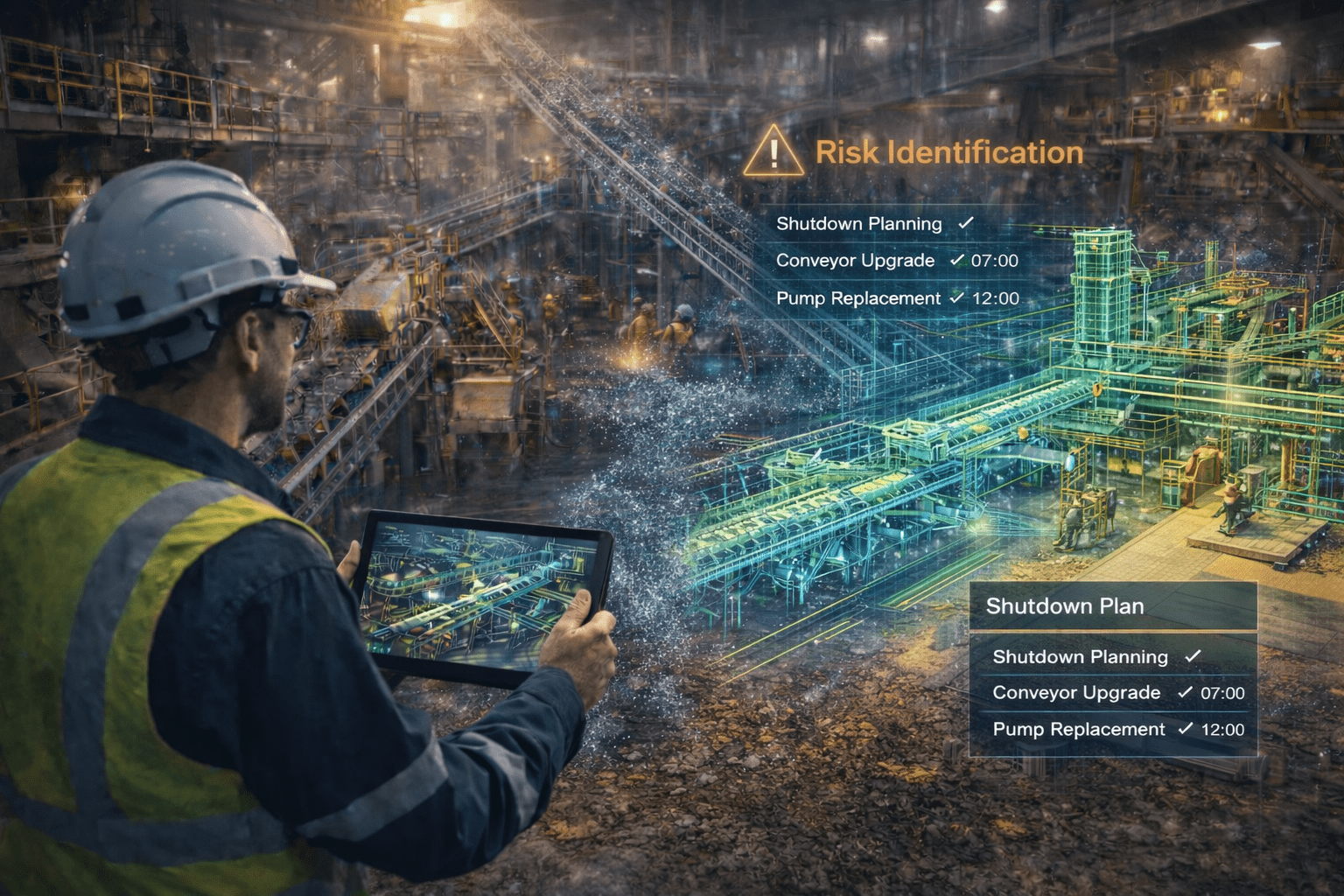
Mining shutdown planning using digital engineering models and installation schedules.

Why Engineering Preparation Is Essential for Mining Shutdown Projects

Mining shutdowns are critical operational events where maintenance, upgrades, inspections, and infrastructure modifications must all be completed within a limited timeframe.

During a shutdown window, production equipment is taken offline so that engineering teams and contractors can carry out essential work. Because production stops during this period, delays can quickly impact operations and project costs.

This is why shutdown engineering planning is a critical part of successful mining shutdown projects.

Effective engineering preparation ensures that plant upgrades, equipment replacements, and infrastructure modifications are designed, documented, and coordinated before shutdown work begins.

At Hamilton By Design, engineering preparation plays a key role in helping mining operations plan shutdown activities and reduce operational risk.


The Complexity of Mining Shutdown Projects

Mining plants contain complex infrastructure including conveyors, structural steel, pipework systems, processing equipment, and access platforms.

Shutdown projects often involve:

โ€ข multiple work crews operating simultaneously
โ€ข equipment removal and installation
โ€ข infrastructure modifications
โ€ข maintenance work across multiple plant areas
โ€ข coordination between engineering teams and contractors

Without proper engineering preparation, shutdown work can encounter unexpected issues such as installation clashes, access restrictions, or equipment alignment problems.

Shutdown engineering planning helps reduce these risks by ensuring that engineering documentation and plant data are prepared in advance.


Capturing Accurate Plant Data Before Shutdown

One of the most important parts of shutdown preparation is understanding the existing plant layout.

Many mining facilities have evolved over decades of maintenance and upgrades, meaning the current plant configuration may differ from original drawings.

To reduce uncertainty, engineers often capture existing infrastructure using engineering-grade 3D laser scanning.

Laser scanning records millions of measurement points across plant infrastructure, producing accurate point cloud models that represent the real geometry of the facility.

These models allow engineers to analyse plant layout and design equipment modifications with confidence.

Learn more about capturing existing conditions here:

Developing Engineering Models for Shutdown Work

Once plant data has been captured, engineers convert the information into digital engineering models.

These models are used to plan and design shutdown work including:

โ€ข equipment replacements
โ€ข conveyor upgrades
โ€ข pipework modifications
โ€ข structural upgrades
โ€ข installation of new plant equipment

Engineering models allow designers to evaluate installation scenarios and verify that new components will integrate with existing infrastructure.

More information on this modelling workflow can be found here:

Preparing Fabrication Documentation

Shutdown projects often require new equipment or fabricated components to be manufactured before installation.

Engineering preparation typically includes developing documentation such as:

โ€ข fabrication drawings
โ€ข equipment layouts
โ€ข installation details
โ€ข structural modifications
โ€ข pipework design

By preparing these documents before shutdown begins, engineering teams can ensure that fabrication work is completed in advance and installation activities proceed smoothly.


Coordinating Engineering Activities During Shutdown Planning

Shutdown engineering planning also involves coordinating multiple engineering disciplines.

Mechanical, structural, and infrastructure engineers must work together to ensure that plant upgrades integrate properly with existing systems.

Digital engineering models make this coordination easier by providing a shared visual representation of the plant environment.

Engineering teams can use these models to identify potential clashes and resolve design issues before shutdown work begins.

You can read more about engineering support during shutdown projects here:


Reducing Risk Through Engineering Preparation

Effective engineering preparation helps mining operations reduce risk during shutdown projects.

Key benefits include:

โ€ข reduced installation conflicts
โ€ข improved equipment fitment
โ€ข shorter shutdown durations
โ€ข improved contractor coordination
โ€ข reduced rework during installation

For mining operations where shutdown windows are tightly scheduled, these benefits can significantly improve project outcomes.


Hamilton By Design logo displayed on a blue tilted rectangle with a grey gradient background

Conclusion

Mining shutdowns require careful coordination between engineering teams, maintenance crews, and contractors.

Through effective shutdown engineering planning, mining operations can prepare equipment upgrades, infrastructure modifications, and maintenance activities well before the shutdown window begins.

By capturing accurate plant data, developing engineering models, and preparing fabrication documentation in advance, engineering teams can reduce operational risk and ensure shutdown projects are completed safely and efficiently.

Hamilton By Design supports mining operations with engineering services that assist with shutdown preparation, plant upgrades, and infrastructure modifications.

3D LiDAR scanning and 3D modelling service button โ€” laser scanner capturing a point cloud for engineering and CAD modelling
Mechanical engineering services
Name
Would you like us to arrange a phone consultation for you?
Address

Our clients

3D CAD Modelling Australia service banner for Hamilton By Design

Reducing Shutdown Risk Using Digital Engineering Models

Mining shutdown planning using digital engineering models and plant layout visualisation.

How Digital Engineering Improves Shutdown Planning

Shutdown projects are among the most critical operational events in mining and industrial facilities. During these planned outages, maintenance work, equipment upgrades, inspections, and infrastructure modifications must all be completed within a limited timeframe.

Because production is halted during these periods, even small delays can significantly affect operations.

This is why shutdown planning engineering plays such an important role in reducing risk and improving shutdown performance.

Digital engineering models allow engineering teams to visualise the plant environment before shutdown work begins. By using accurate digital representations of existing infrastructure, engineers can identify potential issues early and ensure shutdown work is properly planned.

At Hamilton By Design, digital modelling is frequently used to support shutdown planning, helping operations teams reduce uncertainty and improve execution of shutdown projects.


Why Shutdown Projects Carry Significant Risk

Shutdown projects typically involve multiple teams performing complex work within a restricted time window.

Common shutdown risks include:

โ€ข equipment installation clashes
โ€ข inaccurate plant drawings
โ€ข limited access to equipment
โ€ข unexpected infrastructure conflicts
โ€ข delays caused by redesign during shutdown

When engineering teams rely solely on outdated drawings or manual measurements, these risks increase significantly.

Digital engineering models provide a way to analyse plant geometry and equipment layout before shutdown work begins.


What Are Digital Engineering Models?

Digital engineering models are accurate three-dimensional representations of plant infrastructure created using engineering data and site measurements.

These models are typically developed using technologies such as:

โ€ข 3D laser scanning
โ€ข point cloud modelling
โ€ข CAD engineering models
โ€ข plant layout modelling

By combining these technologies, engineers can create digital models that represent the current condition of plant infrastructure.

This approach allows engineers to perform planning and design work using reliable data before shutdown activities begin.


Using 3D Scanning to Capture Existing Infrastructure

One of the most effective ways to build digital engineering models is through 3D laser scanning.

Laser scanning captures millions of measurement points across plant infrastructure, producing a point cloud dataset that accurately represents the geometry of the facility.

Engineers can then use this data to develop digital models used for shutdown planning and equipment design.

Learn more about engineering-grade scanning services here:


From Scan Data to Engineering Models

Once scan data has been captured, engineers convert the point cloud data into engineering models used for design and planning.

This process typically includes:

  1. Processing scan data into a unified point cloud
  2. Creating engineering CAD models of equipment and structures
  3. Analysing plant layout and installation requirements
  4. Preparing fabrication drawings for shutdown work

This digital workflow allows engineers to evaluate installation scenarios before work begins.

You can read more about this process here:


Identifying Risks Before Shutdown Begins

Digital engineering models allow engineers to identify potential issues before shutdown activities begin.

Examples include:

โ€ข pipework clashes with structural steel
โ€ข insufficient installation clearance
โ€ข access restrictions for lifting equipment
โ€ข equipment alignment problems
โ€ข interference with existing infrastructure

By resolving these issues during the planning stage, engineering teams can significantly reduce the likelihood of delays during shutdown execution.


Supporting Safer Shutdown Operations

In addition to improving planning efficiency, digital engineering models also support safer shutdown operations.

Engineering teams can use digital plant models to:

โ€ข evaluate safe access routes
โ€ข plan equipment removal procedures
โ€ข coordinate multiple work crews
โ€ข verify installation tolerances

This helps ensure shutdown work is performed safely and according to engineering specifications.


Integrating Digital Engineering into Shutdown Planning

Digital engineering models are most effective when integrated into the broader shutdown planning process.

Shutdown planning typically involves:

โ€ข engineering design preparation
โ€ข plant scanning and documentation
โ€ข fabrication of new equipment
โ€ข contractor coordination
โ€ข installation planning

Digital models allow these activities to be coordinated more effectively.

You can read more about engineering planning for shutdown projects here:


Hamilton By Design logo displayed on a blue tilted rectangle with a grey gradient background

Conclusion

Shutdown projects represent critical operational windows for mining and industrial facilities.

Through the use of shutdown planning engineering and digital engineering models, organisations can significantly reduce risk and improve the efficiency of shutdown work.

By capturing accurate plant data and developing digital engineering models before shutdown begins, engineers can identify potential conflicts, improve installation planning, and ensure shutdown activities proceed as efficiently as possible.

Hamilton By Design supports mining and industrial operations by providing engineering services that assist with shutdown planning, digital modelling, and plant upgrade projects.

3D LiDAR scanning and 3D modelling service button โ€” laser scanner capturing a point cloud for engineering and CAD modelling
Mechanical engineering services
Name
Would you like us to arrange a phone consultation for you?
Address

Our Clients

3D CAD Modelling Australia service banner for Hamilton By Design

Engineering Support During Mining Shutdown Projects

Engineering team reviewing plant drawings and digital models during planning for a mining shutdown maintenance project.

Why Engineering Planning Is Critical During Mining Shutdowns

Mining shutdowns are among the most complex operational events in industrial facilities. During these periods, large volumes of maintenance, upgrades, inspections, and equipment replacements must be completed within a tightly controlled timeframe.

Because production stops during shutdown work, every hour of delay can have a significant financial impact on operations.

This is where mining shutdown engineering plays a critical role. Proper engineering preparation ensures that upgrade work, equipment installation, and plant modifications can be executed safely and efficiently during the shutdown window.

Engineering support during shutdown projects often involves planning, documentation, scanning existing infrastructure, and preparing fabrication drawings before the shutdown begins.

At Hamilton By Design, engineering teams support mining shutdown work by providing accurate design data and technical documentation to ensure shutdown activities proceed as planned.


The Challenges of Mining Shutdown Projects

Mining shutdown projects involve coordinating multiple teams working across different areas of the plant simultaneously.

Common challenges include:

โ€ข limited shutdown timeframes
โ€ข complex plant infrastructure
โ€ข multiple contractors working concurrently
โ€ข incomplete or outdated plant drawings
โ€ข installation clashes between new and existing equipment

Without proper engineering preparation, shutdown work can quickly encounter unexpected obstacles that extend downtime and increase costs.

Engineering support helps minimise these risks by ensuring the plant layout, equipment geometry, and installation requirements are clearly understood before work begins.


Engineering Services That Support Shutdown Planning

Mining shutdown engineering typically involves several technical activities carried out prior to the shutdown window.

Plant Layout Verification

Before any upgrade work begins, engineers often need to verify the existing layout of equipment, pipework, and structures.

Many mining facilities have evolved over decades of maintenance work, meaning the actual plant configuration may differ from the original drawings.

Capturing accurate existing conditions ensures that shutdown installation work can proceed without unexpected clashes.

Learn more about capturing existing conditions here:


3D Laser Scanning of Existing Infrastructure

3D laser scanning is frequently used to document plant geometry before shutdown work begins.

Scanning allows engineers to capture millions of measurement points from existing infrastructure and generate accurate point cloud models of the plant environment.

These models help engineers design equipment modifications and plan installation sequences with greater confidence.

More information about engineering-grade scanning services:


Engineering Modelling and Design

Once site data has been captured, engineers can develop digital models used to design plant modifications or equipment upgrades.

These models help engineering teams:

โ€ข design new components that fit existing plant infrastructure
โ€ข identify potential clashes before installation
โ€ข improve coordination between mechanical and structural systems
โ€ข support fabrication of new equipment

The workflow of converting scan data into engineering models is explained here:


Equipment Upgrades During Shutdown Work

Shutdown windows are often used to install new equipment or upgrade existing plant systems.

Typical shutdown upgrade projects may include:

โ€ข conveyor system upgrades
โ€ข pump replacements
โ€ข pipework modifications
โ€ข structural upgrades
โ€ข installation of new process equipment

Engineering support ensures these modifications are designed to integrate with the existing plant layout while meeting operational and safety requirements.


Benefits of Engineering Preparation Before Shutdown

Engineering preparation carried out before the shutdown window helps mining operations complete work more efficiently.

Key benefits include:

โ€ข reduced installation risk
โ€ข improved equipment fitment
โ€ข shorter shutdown durations
โ€ข improved coordination between contractors
โ€ข reduced rework during installation

By preparing engineering documentation in advance, shutdown teams can focus on executing work safely and efficiently.


Supporting Safe and Efficient Shutdown Operations

Mining shutdown engineering is not only about improving efficiency โ€” it also supports safe operations.

Accurate engineering documentation helps ensure that:

โ€ข installation procedures are clearly defined
โ€ข equipment interfaces are properly designed
โ€ข access and maintenance requirements are considered
โ€ข potential safety hazards are identified early

For complex mining plants, this level of preparation significantly improves shutdown execution.


Hamilton By Design logo displayed on a blue tilted rectangle with a grey gradient background

Conclusion

Mining shutdowns are critical operational events where significant maintenance and upgrade work must be completed within a limited timeframe.

Engineering preparation plays an essential role in ensuring shutdown projects are executed safely and efficiently.

Through activities such as plant scanning, engineering modelling, and design preparation, mining shutdown engineering helps reduce operational risk and improve the success of shutdown projects.

Hamilton By Design provides engineering support services to assist mining operations with shutdown planning, plant upgrades, and infrastructure modifications.

3D LiDAR scanning and 3D modelling service button โ€” laser scanner capturing a point cloud for engineering and CAD modelling
Mechanical engineering services
Name
Would you like us to arrange a phone consultation for you?
Address

Our clients

3D CAD Modelling Australia service banner for Hamilton By Design

Why 3D Laser Scanning is Critical During Mining Shutdowns

Engineer performing 3D laser scanning of a mining processing plant during a shutdown to capture accurate site conditions.

Mining shutdowns are among the most complex and high-pressure events in heavy industry. Whether the shutdown is scheduled for a processing plant, conveyor system, pump station, or structural upgrade, every hour of downtime carries significant cost.
Engineering teams must inspect, measure, design, fabricate, and install upgrades within an extremely tight timeframe. Any unexpected interference, misalignment, or dimensional error can delay commissioning and extend the shutdown.

This is why 3D laser scanning has become a critical technology for mining shutdown planning and execution.

By capturing millions of accurate measurement points in a matter of minutes, laser scanning provides engineers with a complete digital representation of existing plant conditions. These highly detailed point cloud models allow engineers to design upgrades with confidence before the shutdown even begins.
For mining operations across Australia, this approach significantly reduces risk, improves installation accuracy, and shortens shutdown durations.


3D laser scanner capturing point cloud data across a mining facility during shutdown maintenance.

The Challenge of Mining Shutdown Engineering

Mining infrastructure evolves continuously. Over decades of modifications, maintenance work, and operational changes, the as-built condition of a plant rarely matches the original drawings.

Typical shutdown upgrade projects may involve:
  • Conveyor realignments

  • Chute redesigns
  • Pump station upgrades
  • Structural steel modifications
  • Platform and access upgrades
  • Pipework tie-ins and maintenance replacements

If the design team relies on outdated drawings or manual measurements, there is a significant risk that fabricated components will not fit during installation.

In a shutdown environment, discovering a fit-up issue onsite can quickly escalate into costly delays.

Accurate site data is therefore the foundation of effective shutdown planning.


What is 3D Laser Scanning?

3D laser scanning is a reality-capture technology that records the physical environment using millions of laser measurements per second.

The result is a high-resolution point cloud representing the exact geometry of the plant, equipment, and surrounding structures.

Engineers can then convert this data into detailed 3D models used for:

  • Engineering design
  • Clash detection
  • Fabrication drawings
  • Layout verification
  • Maintenance planning

The technology allows engineers to capture large industrial facilities quickly and accurately while minimizing disruption to site operations.

Learn more about the technology here:


How 3D Scanning Improves Shutdown Planning

Accurate As-Built Plant Models

One of the biggest advantages of laser scanning is the ability to capture the true geometry of an operating plant.

Instead of relying on assumptions, engineers can design within a precise digital twin of the facility, ensuring that new equipment or structures will fit exactly as intended.

This eliminates many of the dimensional errors that traditionally occur during shutdown installations.


Faster Site Data Capture

Traditional surveying methods can take days to measure complex industrial plants.

Laser scanning dramatically accelerates this process by capturing millions of measurements in minutes.

This speed is particularly valuable during shutdown preparation because it allows engineering teams to collect comprehensive data without extended site access requirements.


Clash Detection Before Fabrication

A common shutdown problem occurs when newly fabricated equipment clashes with existing infrastructure such as pipes, structural steel, cable trays, or maintenance access routes.

By designing directly inside the scanned model, engineers can perform clash detection and clearance analysis before fabrication begins.

This ensures that components will install smoothly during the shutdown window.


Reduced Rework and Installation Delays

When plant modifications are designed using precise scan data, installation crews spend less time cutting, grinding, or modifying fabricated components onsite.

This leads to:

  • Faster installations
  • Lower shutdown risk
  • Improved safety outcomes
  • Reduced hot work and manual handling

The result is a more predictable shutdown schedule and fewer unexpected delays.


Supporting Mining Plant Upgrades

3D scanning plays a major role in engineering upgrades across mining processing plants.

Typical projects supported by scanning include:

  • CHPP chute redesign and transfer upgrades
  • Conveyor realignment and structural modifications
  • Pump and piping system upgrades
  • Walkway and platform installation
  • Structural inspections and reinforcement

Hamilton By Design regularly applies this workflow to plant upgrade projects where accurate site information is critical.

You can learn more about this process here:


Engineering-Grade Scanning Across Australia

Mining operations across Australia are increasingly adopting 3D scanning because it enables faster engineering decisions and more reliable shutdown execution.

By combining laser scanning with engineering modelling tools such as SolidWorks and advanced analysis workflows, project teams can move from site capture to fabrication-ready designs much faster than traditional survey methods allow.

Hamilton By Design provides engineering-grade scanning services for industrial facilities across the country.

Explore the national service offering here:


The Future of Digital Mining Shutdowns

The mining industry is rapidly adopting digital engineering tools to reduce operational risk and improve plant reliability.

Technologies such as:

  • 3D laser scanning
  • Digital twins
  • LiDAR modelling
  • Reality capture workflows

are transforming how shutdown projects are planned and delivered.

Instead of reacting to problems during installation, engineers can now identify risks months before the shutdown begins.

For operations where downtime can cost hundreds of thousands of dollars per hour, this shift toward data-driven engineering is a major competitive advantage.

3D LiDAR scanning and 3D modelling service button โ€” laser scanner capturing a point cloud for engineering and CAD modelling
Mechanical engineering services

Hamilton By Design logo displayed on a blue tilted rectangle with a grey gradient background

Final Thoughts

Mining shutdowns demand precision, speed, and certainty.

3D laser scanning provides engineers with the accurate site data needed to design plant upgrades that fit the first time.

By capturing existing conditions with millimetre-level accuracy, engineers can eliminate guesswork, reduce installation risks, and ensure shutdown projects are delivered safely and efficiently.

For modern mining operations, 3D laser scanning is no longer optional โ€” it is a critical tool for successful shutdown execution.


Name
Would you like us to arrange a phone consultation for you?
Address

3D CAD Modelling Australia service banner for Hamilton By Design