Engineering Preparation for Mining Shutdowns

Mining shutdown planning using digital engineering models and installation schedules.

Why Engineering Preparation Is Essential for Mining Shutdown Projects

Mining shutdowns are critical operational events where maintenance, upgrades, inspections, and infrastructure modifications must all be completed within a limited timeframe.

During a shutdown window, production equipment is taken offline so that engineering teams and contractors can carry out essential work. Because production stops during this period, delays can quickly impact operations and project costs.

This is why shutdown engineering planning is a critical part of successful mining shutdown projects.

Effective engineering preparation ensures that plant upgrades, equipment replacements, and infrastructure modifications are designed, documented, and coordinated before shutdown work begins.

At Hamilton By Design, engineering preparation plays a key role in helping mining operations plan shutdown activities and reduce operational risk.


The Complexity of Mining Shutdown Projects

Mining plants contain complex infrastructure including conveyors, structural steel, pipework systems, processing equipment, and access platforms.

Shutdown projects often involve:

โ€ข multiple work crews operating simultaneously
โ€ข equipment removal and installation
โ€ข infrastructure modifications
โ€ข maintenance work across multiple plant areas
โ€ข coordination between engineering teams and contractors

Without proper engineering preparation, shutdown work can encounter unexpected issues such as installation clashes, access restrictions, or equipment alignment problems.

Shutdown engineering planning helps reduce these risks by ensuring that engineering documentation and plant data are prepared in advance.


Capturing Accurate Plant Data Before Shutdown

One of the most important parts of shutdown preparation is understanding the existing plant layout.

Many mining facilities have evolved over decades of maintenance and upgrades, meaning the current plant configuration may differ from original drawings.

To reduce uncertainty, engineers often capture existing infrastructure using engineering-grade 3D laser scanning.

Laser scanning records millions of measurement points across plant infrastructure, producing accurate point cloud models that represent the real geometry of the facility.

These models allow engineers to analyse plant layout and design equipment modifications with confidence.

Learn more about capturing existing conditions here:

Developing Engineering Models for Shutdown Work

Once plant data has been captured, engineers convert the information into digital engineering models.

These models are used to plan and design shutdown work including:

โ€ข equipment replacements
โ€ข conveyor upgrades
โ€ข pipework modifications
โ€ข structural upgrades
โ€ข installation of new plant equipment

Engineering models allow designers to evaluate installation scenarios and verify that new components will integrate with existing infrastructure.

More information on this modelling workflow can be found here:

Preparing Fabrication Documentation

Shutdown projects often require new equipment or fabricated components to be manufactured before installation.

Engineering preparation typically includes developing documentation such as:

โ€ข fabrication drawings
โ€ข equipment layouts
โ€ข installation details
โ€ข structural modifications
โ€ข pipework design

By preparing these documents before shutdown begins, engineering teams can ensure that fabrication work is completed in advance and installation activities proceed smoothly.


Coordinating Engineering Activities During Shutdown Planning

Shutdown engineering planning also involves coordinating multiple engineering disciplines.

Mechanical, structural, and infrastructure engineers must work together to ensure that plant upgrades integrate properly with existing systems.

Digital engineering models make this coordination easier by providing a shared visual representation of the plant environment.

Engineering teams can use these models to identify potential clashes and resolve design issues before shutdown work begins.

You can read more about engineering support during shutdown projects here:


Reducing Risk Through Engineering Preparation

Effective engineering preparation helps mining operations reduce risk during shutdown projects.

Key benefits include:

โ€ข reduced installation conflicts
โ€ข improved equipment fitment
โ€ข shorter shutdown durations
โ€ข improved contractor coordination
โ€ข reduced rework during installation

For mining operations where shutdown windows are tightly scheduled, these benefits can significantly improve project outcomes.


Hamilton By Design logo displayed on a blue tilted rectangle with a grey gradient background

Conclusion

Mining shutdowns require careful coordination between engineering teams, maintenance crews, and contractors.

Through effective shutdown engineering planning, mining operations can prepare equipment upgrades, infrastructure modifications, and maintenance activities well before the shutdown window begins.

By capturing accurate plant data, developing engineering models, and preparing fabrication documentation in advance, engineering teams can reduce operational risk and ensure shutdown projects are completed safely and efficiently.

Hamilton By Design supports mining operations with engineering services that assist with shutdown preparation, plant upgrades, and infrastructure modifications.


3D LiDAR scanning and 3D modelling service button โ€” laser scanner capturing a point cloud for engineering and CAD modelling
Mechanical engineering services
Name
Would you like us to arrange a phone consultation for you?
Address

Our clients
3D CAD Modelling Australia service banner for Hamilton By Design

More Reading โ€“ Engineering Articles and Technical Resources

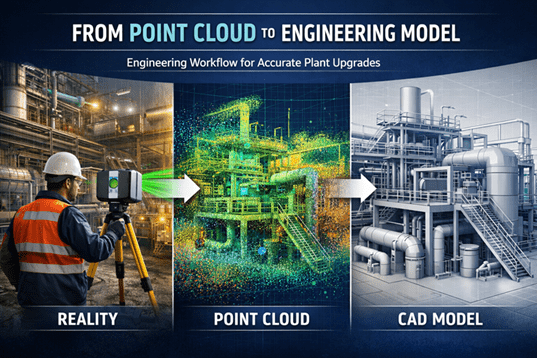
Engineer using a laser scanner capturing an industrial facility, converting scan data into a point cloud and engineering CAD model.

At Hamilton By Design, we regularly publish articles about engineering workflows, plant upgrades, LiDAR scanning, mechanical design, and industrial infrastructure.

We also contribute to technical discussions and engineering blogs that explore topics such as point cloud modelling, SolidWorks design, pipework detailing, and mining infrastructure upgrades.

This page provides a collection of additional technical reading and external resources related to engineering design and digital engineering workflows.

These articles complement the work we do at Hamilton By Design and may be useful for engineers, project managers, designers, and plant operators involved in industrial and mining infrastructure projects.


Industrial engineer operating a LiDAR laser scanner capturing high-accuracy point cloud data of a processing plant for engineering design and infrastructure upgrades.

Pipework Detailing and SolidWorks Design

One area where modern digital workflows are particularly valuable is pipework detailing and fabrication drawing development.

By combining LiDAR scanning with SolidWorks modelling, engineers can capture the true geometry of existing plant infrastructure and develop accurate pipe spool drawings for fabrication and installation.

The following article explores how laser scanning data can be used to support this workflow:

From Laser Scan to Pipe Spool Drawings โ€“ Using SolidWorks and LiDAR Data for Accurate Pipework Design

https://pipeworkdetailing.blogspot.com/2026/03/from-laser-scan-to-pipe-spool-drawings.html

This article discusses how engineering teams can move from capturing plant geometry with LiDAR scanning through to generating pipe spool drawings for fabrication.


LiDAR Scanning and Engineering Design Workflows

Laser scanning is increasingly used across industrial and mining projects to capture existing plant conditions before upgrades or modifications begin.

At Hamilton By Design we use engineering-grade LiDAR scanning to support:

โ€ข Mining infrastructure upgrades
โ€ข Industrial plant modifications
โ€ข Mechanical equipment installations
โ€ข Structural steel design
โ€ข Pipework routing and detailing
โ€ข Shutdown engineering projects

By converting scan data into engineering models, design teams can work directly against the true geometry of the plant environment.


Related Articles on the Hamilton By Design Website

You may also find the following articles useful:

Engineering Grade 3D Laser Scanning for Mining and Industrial Projects
https://www.hamiltonbydesign.com.au/home/engineering-grade-3d-laser-scanning-mining-industrial/

3D Laser Scanning Across Australia
https://www.hamiltonbydesign.com.au/home/engineering-services/3d-laser-scanning/3d-laser-scanning-across-australia/

3D Laser Scanning for Mining Plant Upgrades
https://www.hamiltonbydesign.com.au/engineering-grade-3d-laser-scanning-mining-plant-upgrades/

3D Laser Scanning for Mining Shutdown Projects
https://www.hamiltonbydesign.com.au/3d-laser-scanning-mining-shutdowns/

Capture Existing Conditions Before Plant Upgrades
https://www.hamiltonbydesign.com.au/capture-existing-conditions-before-plant-upgrades/

Point Cloud to Engineering Model Workflow
https://www.hamiltonbydesign.com.au/point-cloud-to-engineering-model-workflow/


Why We Share Additional Engineering Reading

Engineering projects often benefit from a combination of practical field knowledge, digital modelling workflows, and collaboration across the engineering community.

By sharing additional articles and resources, we hope to contribute to ongoing discussions about:

โ€ข Engineering measurement and accuracy
โ€ข Digital engineering workflows
โ€ข Mining infrastructure design
โ€ข Mechanical and structural modelling
โ€ข Industrial plant upgrades

If you are interested in discussing engineering-grade 3D laser scanning, mechanical engineering design, or infrastructure upgrades, please feel free to contact Hamilton By Design.

3D LiDAR scanning and 3D modelling service button โ€” laser scanner capturing a point cloud for engineering and CAD modelling
Mechanical engineering services
Name
Would you like us to arrange a phone consultation for you?
Address
3D CAD Modelling Australia service banner for Hamilton By Design

Mining Infrastructure Design Discussions โ€“ SolidWorks and Industrial Engineering

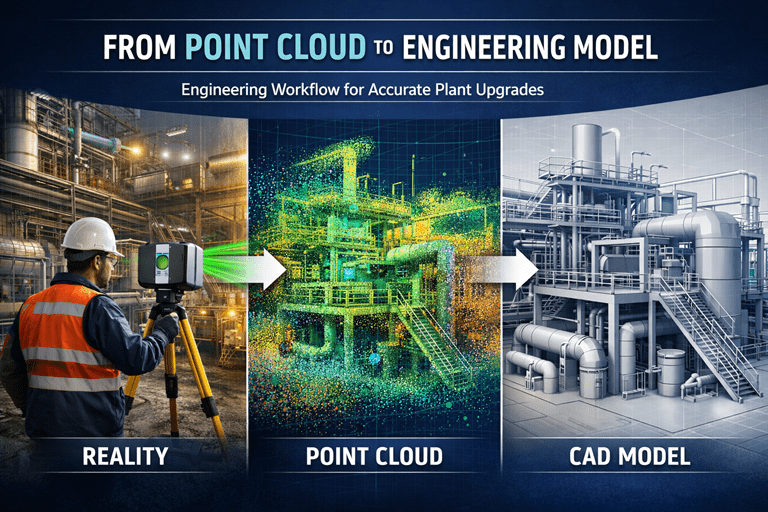
Engineering workflow showing industrial laser scanning, point cloud data, and a CAD model used for plant upgrade design.

Modern mining and industrial infrastructure projects increasingly rely on advanced digital engineering tools to support plant design, equipment upgrades, and infrastructure development. Engineers working in mining environments must often design and model complex systems including materials handling equipment, processing plant infrastructure, and structural steel frameworks.

Engineer using a laser scanner capturing an industrial facility, converting scan data into a point cloud and engineering CAD model.

One of the most commonly used design platforms for mechanical engineering and plant infrastructure modelling is SolidWorks, which allows engineers to develop detailed 3D assemblies and fabrication-ready engineering drawings.

At Hamilton By Design, many projects involve the integration of modern digital engineering workflows with practical industry experience. These workflows often include:

  • Mechanical design for mining infrastructure
  • Bulk materials handling system design
  • Industrial plant layout modelling
  • Point cloud modelling from laser scanning
  • Engineering design for plant upgrades and shutdown projects

Engineering Design in Mining Infrastructure

Mining infrastructure often includes complex systems such as conveyors, transfer stations, processing equipment, and plant structures. Designing or upgrading these systems requires accurate modelling of both existing infrastructure and proposed modifications.

Modern engineering teams frequently combine several technologies during the design process, including:

  • 3D laser scanning to capture existing plant conditions
  • Point cloud modelling to represent real-world infrastructure
  • CAD modelling using platforms such as SolidWorks
  • Engineering drawings and documentation for fabrication and construction

These tools allow engineers to develop more accurate designs and reduce risks when implementing plant modifications or shutdown upgrades.


Engineering Discussions and SolidWorks Design Examples

Engineering professionals often share practical insights, modelling approaches, and design workflows through technical blogs and engineering discussion platforms.

For those interested in SolidWorks modelling techniques, mining infrastructure design concepts, and materials handling engineering, additional discussions can be found on the following engineering blog:

Mining Infrastructure โ€“ SolidWorks Design
https://mininginfrastructuresolidworksdesign.blogspot.com/

The blog explores various topics including mechanical design workflows, industrial equipment modelling, and practical engineering approaches used when designing plant infrastructure.


Supporting Mining Engineering Projects

Hamilton By Design supports mining and industrial operators with engineering services that include mechanical design, infrastructure modelling, and reality capture technologies such as laser scanning.

Learn more about our engineering-grade scanning and modelling services:

Engineering-Grade 3D Laser Scanning for Mining and Industrial Projects
https://www.hamiltonbydesign.com.au/home/engineering-grade-3d-laser-scanning-mining-industrial/

3D Laser Scanning Across Australia
https://www.hamiltonbydesign.com.au/home/engineering-services/3d-laser-scanning/3d-laser-scanning-across-australia/

Capturing Existing Conditions Before Plant Upgrades
https://www.hamiltonbydesign.com.au/capture-existing-conditions-before-plant-upgrades/


3D LiDAR scanning and 3D modelling service button โ€” laser scanner capturing a point cloud for engineering and CAD modelling
Mechanical engineering services

Engineering Knowledge Sharing

Engineering blogs and technical discussion platforms provide an opportunity for engineers, designers, and industry professionals to share knowledge about real-world engineering challenges.

By combining practical industry experience with modern digital engineering tools, the mining and industrial sectors continue to improve the way infrastructure is designed, documented, and upgraded.

For more engineering discussions on SolidWorks design and mining infrastructure modelling, visit:

https://mininginfrastructuresolidworksdesign.blogspot.com

3D CAD Modelling Australia service banner for Hamilton By Design