Digital Engineering for Conveyor and Materials Handling Systems

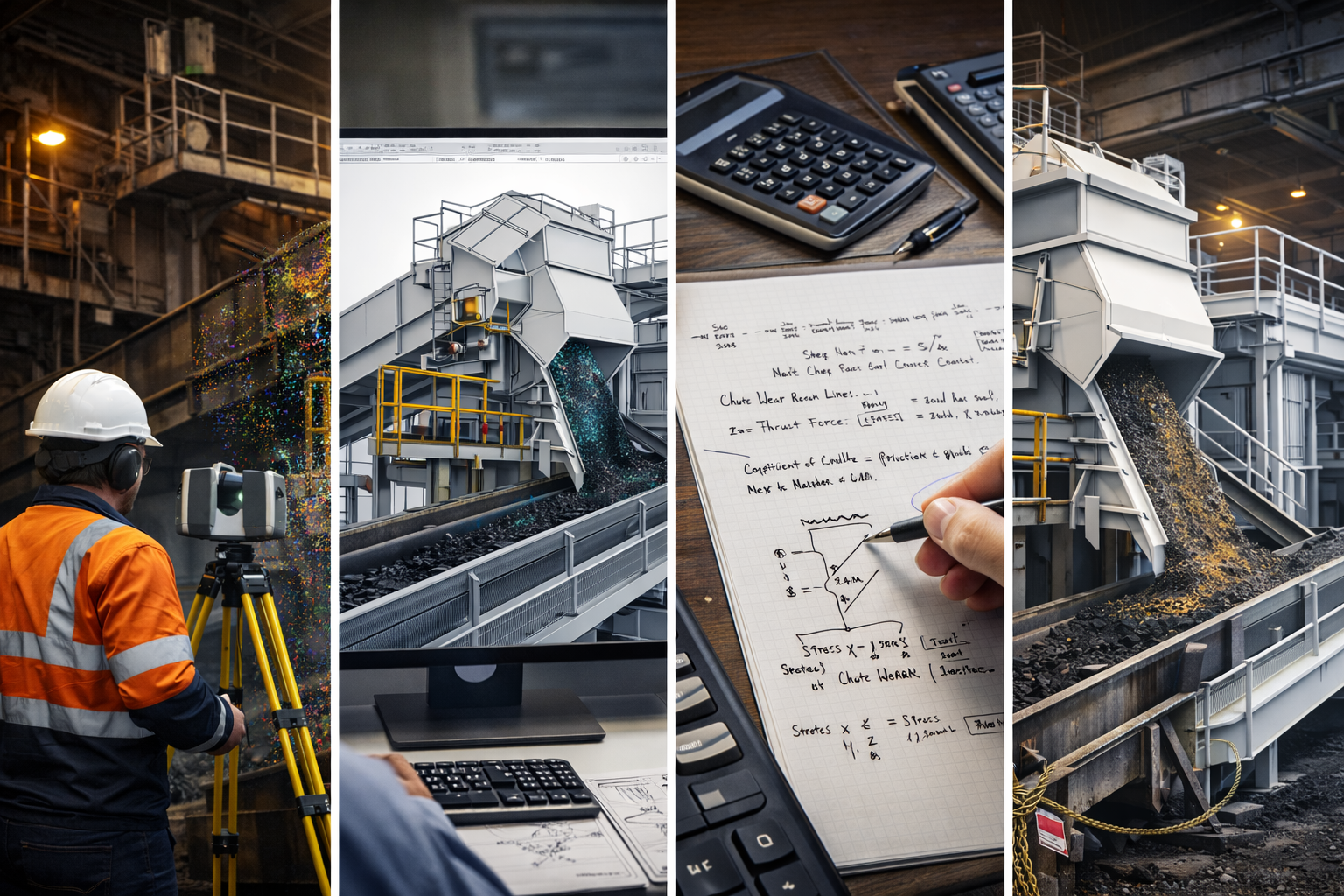
Mining conveyor engineering workflow showing laser scanning, 3D modelling, engineering calculations and installation of a transfer chute.

Mining Conveyor Engineering Design | Digital Engineering for Materials Handling Systems

Conveyor systems form the backbone of many mining and industrial processing operations. From coal handling plants and mineral processing facilities to port loading infrastructure, conveyors and transfer systems move large volumes of material continuously throughout the plant.

As mining infrastructure becomes more complex, engineering teams increasingly rely on digital engineering workflows to design, upgrade and maintain conveyor systems. These workflows combine laser scanning, point cloud modelling and 3D engineering design to improve accuracy and reduce project risk.

Digital engineering allows engineers to capture existing plant conditions, develop accurate engineering models, and design modifications with confidence before construction or shutdown activities begin.


The Role of Conveyor Engineering in Mining Operations

Conveyors transport bulk materials between key processing areas such as crushers, screens, stockpiles and ship loading systems. Because these systems operate continuously, even small design issues can cause major operational problems.

Common engineering challenges include:

  • transfer point blockages
  • excessive belt wear
  • material spillage and dust generation
  • structural fatigue in conveyor galleries
  • poor maintenance access

Effective mining conveyor engineering design focuses on improving reliability, safety and maintainability while ensuring the system integrates correctly with the surrounding plant infrastructure.

For further information on mechanical engineering services supporting mining operations see:
โžก Hamilton By Design Co. โ€“


Using Digital Models to Improve Conveyor Design

Traditional conveyor design often relied on outdated plant drawings or manual site measurements. However, many mining facilities have undergone decades of modifications, meaning the original design documentation no longer reflects the actual plant layout.

Modern engineering teams now use laser scanning and point cloud modelling to capture accurate representations of plant infrastructure.

These digital datasets allow engineers to develop detailed models of:

  • conveyor structures and galleries
  • transfer chutes and material flow points
  • structural steel platforms and walkways
  • access ladders and maintenance areas
  • surrounding plant equipment

By converting scan data into engineering models, designers can evaluate system upgrades with far greater accuracy.

Learn more about how scan data is converted into engineering models here:


Engineering Conveyor Upgrades During Shutdowns

Many conveyor upgrades are implemented during planned shutdowns where plant equipment must be isolated for maintenance or replacement.

During these shutdown windows engineers may install:

  • replacement transfer chutes
  • new conveyor sections
  • structural modifications
  • upgraded dust control systems
  • improved maintenance access platforms

Because shutdown windows are often limited to a few days, engineering design must be completed and validated before work begins.

Digital plant models allow engineers to confirm equipment clearances, identify potential clashes and develop fabrication drawings prior to the shutdown period.

More information on shutdown engineering preparation can be found here:


Transfer Chute Design in Materials Handling Systems

Transfer chutes are critical components in conveyor systems because they control the flow of material between conveyors or processing equipment.

Poor chute design can lead to:

  • material buildup and blockages
  • uneven belt loading
  • excessive dust generation
  • increased wear on belts and liners

Using digital plant models, engineers can analyse the surrounding infrastructure and design chute geometries that improve material flow and reduce maintenance issues.

Further insights into chute engineering design are available here:
โžก https://chutesandtransferstations.blogspot.com/2025/07/designing-for-durability-chutes.html


Hamilton By Design logo displayed on a blue tilted rectangle with a grey gradient background

3D LiDAR scanning and 3D modelling service button โ€” laser scanner capturing a point cloud for engineering and CAD modelling
Mechanical engineering services

Benefits of Digital Engineering for Materials Handling Systems

Digital engineering workflows provide several key advantages for mining infrastructure projects:

Improved design accuracy
Accurate plant models reduce errors caused by outdated drawings or incomplete measurements.

Reduced installation risk
Engineering models allow equipment fit-up to be verified before fabrication and installation.

Faster project delivery
Engineering teams can plan upgrades more efficiently using digital plant models.

Improved maintenance planning
Digital models support better access design and long-term asset management.


The Future of Conveyor Engineering

As mining operations continue to adopt digital engineering technologies, the design and maintenance of conveyor systems is becoming increasingly data-driven.

Technologies such as:

  • 3D laser scanning
  • point cloud modelling
  • digital twins
  • engineering simulation

are helping engineers develop more reliable materials handling systems and reduce operational downtime.

For mining operators planning plant upgrades or shutdown maintenance, integrating digital engineering into conveyor design workflows is becoming an essential part of modern infrastructure planning.
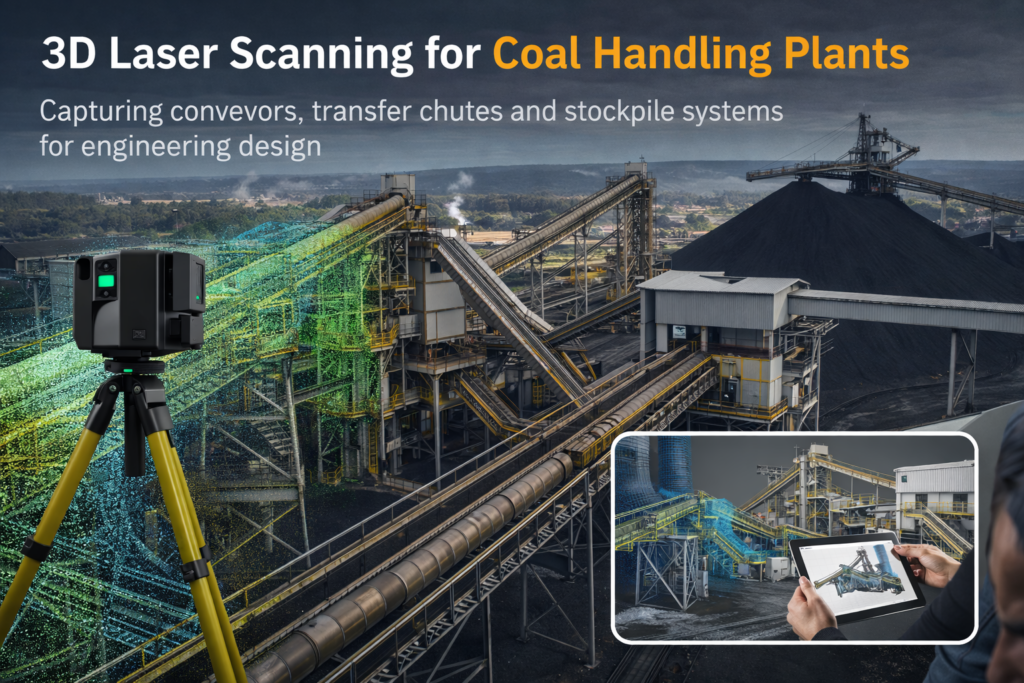
3D laser scanning of coal handling plant conveyors transfer chutes and stockpile systems for engineering design

Name
Would you like us to arrange a phone consultation for you?
Address
3D CAD Modelling Australia service banner for Hamilton By Design

Mining Infrastructure Design Discussions โ€“ SolidWorks and Industrial Engineering

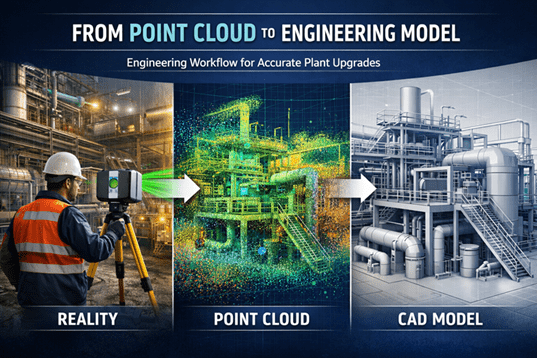
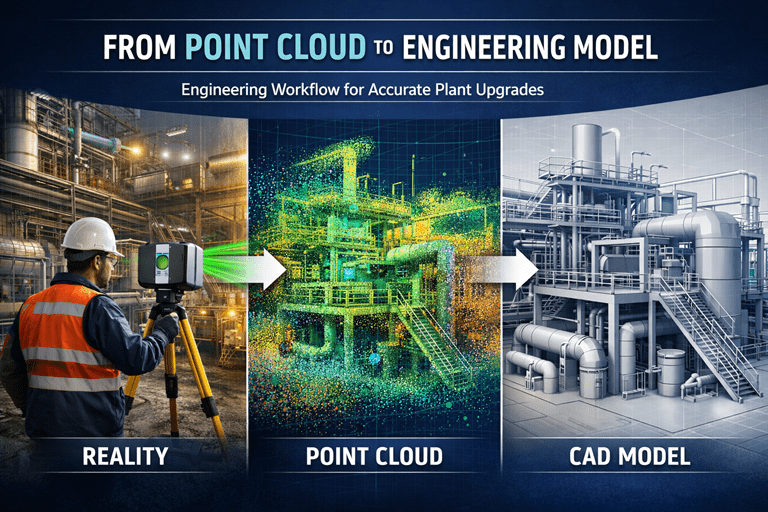
Engineering workflow showing industrial laser scanning, point cloud data, and a CAD model used for plant upgrade design.

Modern mining and industrial infrastructure projects increasingly rely on advanced digital engineering tools to support plant design, equipment upgrades, and infrastructure development. Engineers working in mining environments must often design and model complex systems including materials handling equipment, processing plant infrastructure, and structural steel frameworks.

Engineer using a laser scanner capturing an industrial facility, converting scan data into a point cloud and engineering CAD model.

One of the most commonly used design platforms for mechanical engineering and plant infrastructure modelling is SolidWorks, which allows engineers to develop detailed 3D assemblies and fabrication-ready engineering drawings.

At Hamilton By Design, many projects involve the integration of modern digital engineering workflows with practical industry experience. These workflows often include:

  • Mechanical design for mining infrastructure
  • Bulk materials handling system design
  • Industrial plant layout modelling
  • Point cloud modelling from laser scanning
  • Engineering design for plant upgrades and shutdown projects

Engineering Design in Mining Infrastructure

Mining infrastructure often includes complex systems such as conveyors, transfer stations, processing equipment, and plant structures. Designing or upgrading these systems requires accurate modelling of both existing infrastructure and proposed modifications.

Modern engineering teams frequently combine several technologies during the design process, including:

  • 3D laser scanning to capture existing plant conditions
  • Point cloud modelling to represent real-world infrastructure
  • CAD modelling using platforms such as SolidWorks
  • Engineering drawings and documentation for fabrication and construction

These tools allow engineers to develop more accurate designs and reduce risks when implementing plant modifications or shutdown upgrades.


Engineering Discussions and SolidWorks Design Examples

Engineering professionals often share practical insights, modelling approaches, and design workflows through technical blogs and engineering discussion platforms.

For those interested in SolidWorks modelling techniques, mining infrastructure design concepts, and materials handling engineering, additional discussions can be found on the following engineering blog:

Mining Infrastructure โ€“ SolidWorks Design
https://mininginfrastructuresolidworksdesign.blogspot.com/

The blog explores various topics including mechanical design workflows, industrial equipment modelling, and practical engineering approaches used when designing plant infrastructure.


Supporting Mining Engineering Projects

Hamilton By Design supports mining and industrial operators with engineering services that include mechanical design, infrastructure modelling, and reality capture technologies such as laser scanning.

Learn more about our engineering-grade scanning and modelling services:

Engineering-Grade 3D Laser Scanning for Mining and Industrial Projects
https://www.hamiltonbydesign.com.au/home/engineering-grade-3d-laser-scanning-mining-industrial/

3D Laser Scanning Across Australia
https://www.hamiltonbydesign.com.au/home/engineering-services/3d-laser-scanning/3d-laser-scanning-across-australia/

Capturing Existing Conditions Before Plant Upgrades
https://www.hamiltonbydesign.com.au/capture-existing-conditions-before-plant-upgrades/


3D LiDAR scanning and 3D modelling service button โ€” laser scanner capturing a point cloud for engineering and CAD modelling
Mechanical engineering services

Engineering Knowledge Sharing

Engineering blogs and technical discussion platforms provide an opportunity for engineers, designers, and industry professionals to share knowledge about real-world engineering challenges.

By combining practical industry experience with modern digital engineering tools, the mining and industrial sectors continue to improve the way infrastructure is designed, documented, and upgraded.

For more engineering discussions on SolidWorks design and mining infrastructure modelling, visit:

https://mininginfrastructuresolidworksdesign.blogspot.com

3D CAD Modelling Australia service banner for Hamilton By Design