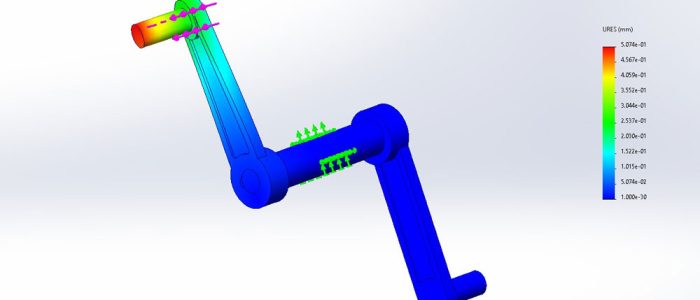
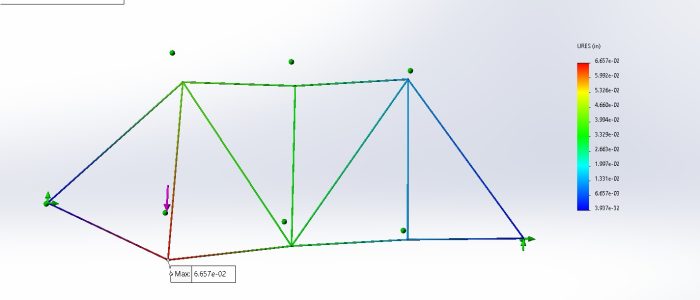
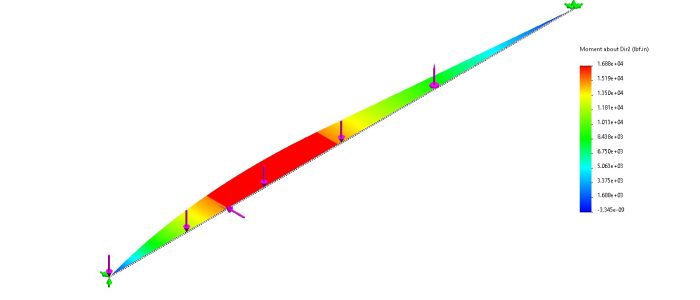
Environmental Policy

Hamilton By Design – Environmental Policy

Hamilton By Design is committed to conducting its engineering and design services in a responsible and environmentally conscious manner. We recognise that our work can influence environmental outcomes through the design decisions we make, the technologies we use, and the advice we provide to our clients.

This Environmental Policy outlines our commitment to minimising environmental impacts, complying with applicable legal and regulatory requirements, and supporting sustainable engineering outcomes across all areas of our business.


Scope

This policy applies to all Hamilton By Design operations, including:

  • Mechanical and structural engineering services
  • 3D LiDAR scanning and digital data capture
  • CAD modelling, drafting, and design development
  • Engineering analysis and project support
  • Office-based and site-based activities
  • Engagement with clients, suppliers, and contractors

Our Commitment

Hamilton By Design is committed to:

  • Complying with all applicable environmental legislation, regulations, and client requirements
  • Minimising the environmental impact of our operations and services
  • Incorporating environmental considerations into engineering and design decisions where feasible
  • Promoting environmental awareness and responsibility among employees and contractors
  • Continually improving our environmental performance

Operational Environmental Management

To reduce environmental impact in our day-to-day operations, Hamilton By Design will:

  • Minimise waste generation and promote recycling where practicable
  • Use resources, energy, and consumables efficiently
  • Reduce unnecessary travel through effective planning and use of digital collaboration tools
  • Maintain equipment to maximise service life and reduce premature replacement
  • Consider environmental impacts when selecting suppliers and subcontractors

Sustainable Design Influence

Hamilton By Design integrates environmental considerations into engineering and design decisions wherever feasible and appropriate to the project scope.

Where relevant, we may recommend design solutions that:

  • Reduce energy consumption across the life of an asset
  • Reduce material usage and fabrication waste
  • Support life-of-asset efficiency, durability, and maintainability
  • Improve overall resource efficiency for clients

To support informed and transparent decision-making, Hamilton By Design utilises engineering design platforms that include environmental assessment capabilities. This includes the use of SOLIDWORKS Sustainability and SustainabilityXpress tools, which allow environmental impacts to be evaluated and compared during the design process, including:

  • Material selection and environmental impact
  • Manufacturing and transportation considerations
  • Energy use over the asset life cycle
  • End-of-life and recyclability factors

These tools support life-cycle-based engineering assessment and are used to inform โ€” not replace โ€” professional engineering judgement. Environmental considerations are balanced alongside safety, performance, constructability, cost, and compliance with applicable Australian Standards.


Responsibilities

  • Leadership is responsible for implementing this policy and ensuring appropriate resources are available.
  • Employees and Contractors are responsible for working in accordance with this policy and for identifying opportunities to reduce environmental impact within their areas of control.

Communication and Awareness

This Environmental Policy is communicated to employees, contractors, and relevant stakeholders and is made publicly available through the Hamilton By Design website. Environmental awareness is promoted through ongoing engagement and appropriate training.


Review and Continuous Improvement

Hamilton By Design will review this Environmental Policy periodically to ensure it remains relevant, effective, and aligned with business activities, regulatory requirements, and best-practice engineering principles.


Approved by:
Hamilton By Design Management

Effective Date: 06/12/2006

Hamilton By Design logo displayed on a blue tilted rectangle with a grey gradient background
3D LiDAR scanning and 3D modelling service button โ€” laser scanner capturing a point cloud for engineering and CAD modelling
Mechanical engineering services
Finite Element Analysis (FEA) engineering simulation button
Mechanical engineering services

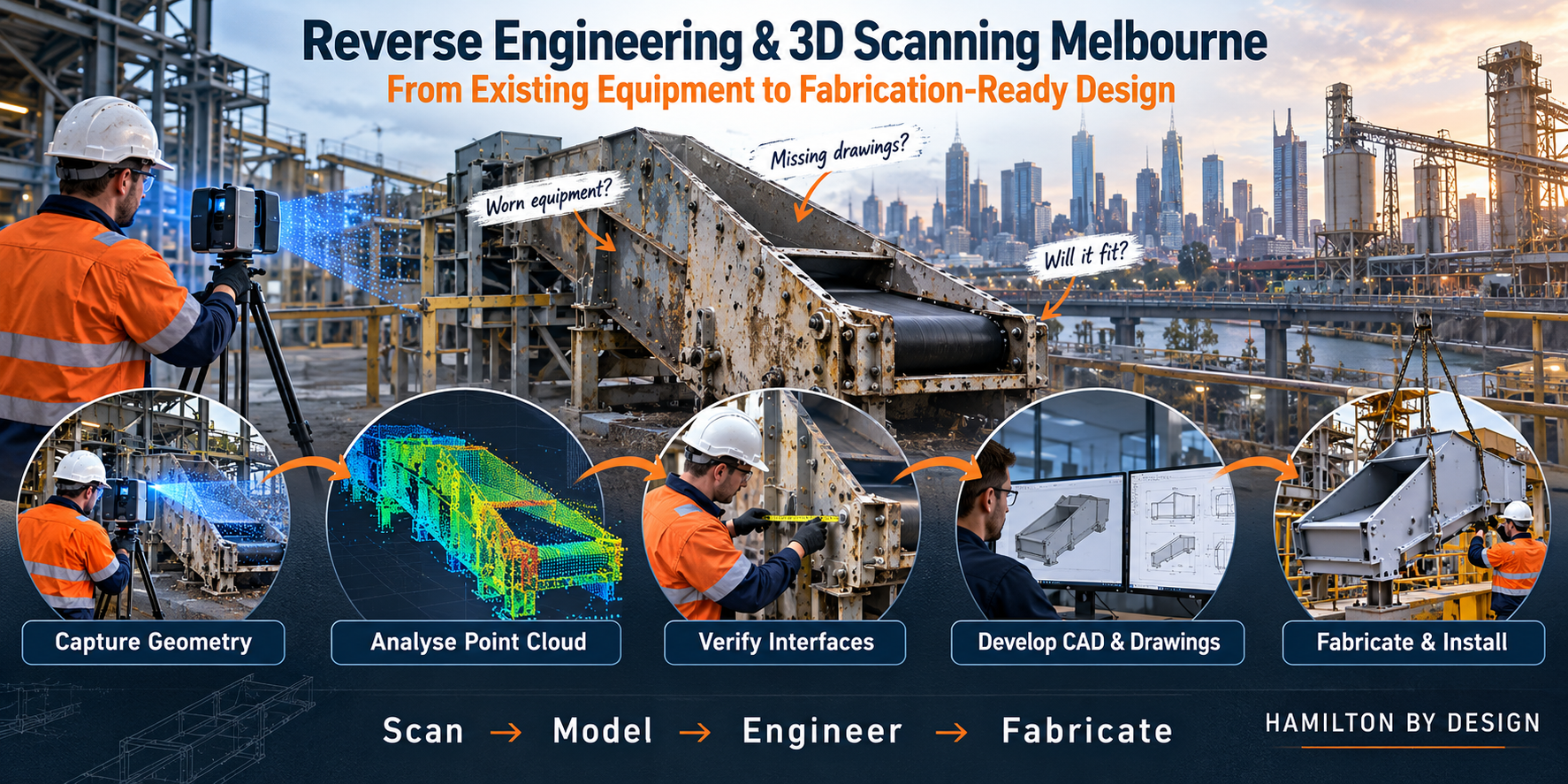
Reverse Engineering 3D Scanning Melbourne

Illustration of industrial equipment reverse engineering in Melbourne, showing 3D scanning, point cloud analysis, interface checks, CAD drawings and replacement fabrication.

Engineer-Led Reverse Engineering from Scan to Fabrication โ€” Supporting Victoria & Remote Sites

At Hamilton By Design, we provide reverse engineering supported by engineering-grade 3D LiDAR scanning from our Melbourne engineering hub, helping maintenance teams, project engineers, and manufacturers replace, reproduce, or validate critical components when drawings are missing, obsolete, or no longer reflect site reality.

We specialise in like-for-like replacement and fit-for-purpose engineering, particularly for manufacturing facilities, bulk materials handling, brownfield infrastructure, and industrial plant, where shutdown windows are tight and first-time fit-up is critical.


Reverse Engineering Built on Real Site Data

Reverse engineering only works when it starts with what actually exists on site.

We use engineering-grade 3D LiDAR scanning to capture accurate geometry from worn, modified, or undocumented assets, then apply engineering judgement to develop engineered models and drawings suitable for fabrication and installation.

This removes reliance on:

  • Missing, outdated, or incomplete drawings
  • OEM data that no longer matches the asset
  • Manual measurements in live or congested environments
  • Assumptions that lead to rework during shutdowns

Managing Director Insight

โ€œReverse engineering isnโ€™t about copying geometry โ€” itโ€™s about understanding wear, interfaces, and how an asset needs to function once itโ€™s reinstalled. We use 3D scanning to capture reality, but itโ€™s engineering judgement that ensures replacement components fit and perform as intended.โ€

โ€” Anthony Hamilton, Managing Director, Hamilton By Design


What We Reverse Engineer

From our Melbourne base, we support Victorian and remote operations with reverse engineering of:

  • Conveyor components (pulleys, frames, guards, transfer assemblies)
  • Bulk materials handling equipment (chutes, hoppers, bins, screens)
  • Worn or damaged components requiring like-for-like replacement
  • Obsolete or unsupported OEM parts
  • Structural steel components and assemblies
  • Machined components, housings, and brackets

These assets are often located in brownfield, live, or space-constrained environments, where accurate capture and engineering ownership are essential.


Engineering-Grade Accuracy for Shutdown-Critical Fit-Up

Our reverse engineering approach is designed for shutdown-critical replacement work, not visual modelling.

We emphasise:

  • Engineering-grade LiDAR scanning suitable for fit-for-purpose replacement parts
  • Accuracy verified through engineering judgement, not point clouds alone
  • Manual verification of critical interfaces where required
  • Deliverables suitable for fabrication, installation, and inspection

Our work is engineering-grade and defensibleโ€”appropriate for mechanical and structural replacement in operating industrial environments.


Reverse Engineering as an Engineering Process

Reverse engineering is treated as a complete engineering process, with 3D scanning as one input.

Our typical workflow includes:

3D LiDAR scanning โ†’ point-cloud analysis โ†’ engineered 3D modelling โ†’ design intent definition โ†’ fabrication and installation drawings

Where required, this process may also include:

  • Mechanical or structural checks
  • Review of wear patterns and failure modes
  • Fit-for-purpose assessment against operational requirements

This ensures replacement components are engineered to work, not blindly replicated.


Engineering Ownership, Accountability & Risk Management

Reverse engineering carries real technical and commercial risk.

Our approach includes:

  • Engineering sign-off and accountability
  • Clear documentation of assumptions and limitations
  • Fit-for-purpose design intent aligned with operational reality
  • Engineering judgement consistent with Australian Standards
  • Lessons learned from real shutdowns, upgrades, and replacements

Deliverables are suitable for engineering review, audits, and compliance requirements.


Melbourne Engineering Hub Supporting Victoria & Remote Sites

We operate with Melbourne as our engineering base, supporting:

  • Manufacturing and industrial facilities across Victoria
  • Bulk materials handling and processing plants
  • Infrastructure and brownfield assets
  • Remote sites supported from Victoria
  • Fabricators and machine shops requiring accurate reverse-engineered data

This model provides local engineering accountability with the flexibility to support geographically dispersed assets.


Designed for Maintenance, Reliability & Project Engineers

This service is well suited to:

  • Maintenance and reliability engineers managing ageing assets
  • Project engineers planning shutdown replacements and upgrades
  • Manufacturers reproducing legacy or unsupported components
  • Asset owners dealing with undocumented modifications
  • Fabricators requiring accurate, fabrication-ready documentation

We work collaboratively with your teams, focusing on fit-first-time outcomes.


Hamilton By Design logo displayed on a blue tilted rectangle with a grey gradient background
3D LiDAR scanning and 3D modelling service button โ€” laser scanner capturing a point cloud for engineering and CAD modelling
Mechanical engineering services

Talk to Us About Reverse Engineering 3D Scanning in Melbourne

If youโ€™re dealing with missing drawings, obsolete components, or shutdown-critical replacements, weโ€™d welcome the opportunity to help.

Submit an enquiry via our contact form


Name
Would you like us to arrange a phone consultation for you?
Address


Related Engineering & 3D Scanning Services

Explore Hamilton By Design services supporting reverse engineering, equipment replacement and manufacturing projects across Melbourne and Victoria.

AS 3774 Loads in Hopper Design

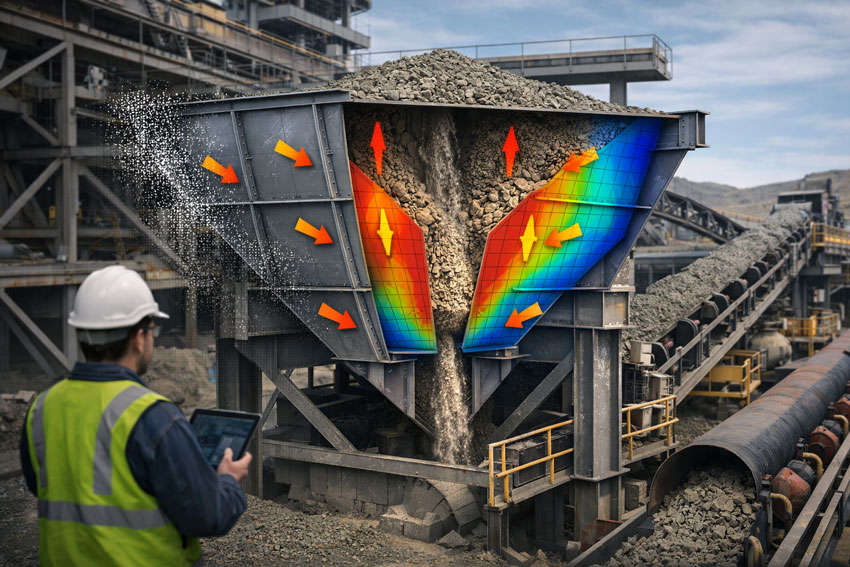
Cutaway view of an industrial mining hopper showing bulk material flow with AS 3774 load paths and FEA stress distribution on hopper walls.

AS 3774 Hopper Design Loads โ€“ Bulk Solids Handling Engineering

In bulk materials handling, the ultimate operational goal is steady-state production โ€” consistent throughput, predictable equipment loading, and minimal process disruption.

Hoppers play a critical role in achieving this outcome. However, the benefits they provide come with structural and load complexities that must be correctly understood and engineered. This is where AS 3774 โ€“ Loads on Bulk Solids Containers becomes essential.


Mining hopper in a transfer station shown in cutaway, illustrating steady-state material flow, structural load distribution, and engineered hopper design.

Why Do You Want a Hopper in Your Process?

In simple terms, having a hopper in your system allows you to maintain constant production.

Most industrial plants aim to operate in a steady-state condition, where material flow remains as uniform as possible. In reality, upstream and downstream equipment rarely operate at the same rate, and bulk materials themselves are inherently variable.

A hopper acts as a buffer.

By decoupling one part of the process from another, a hopper allows fluctuations in feed rate, equipment performance, or material behaviour to be absorbed without immediately impacting the rest of the plant.

As a general principle:

The more hoppers you have in the right locations, the more steady-state your operation becomes.


Buffering Variability and Increasing Capacity

Hoppers contribute to steady-state operation in two key ways:

1. Stabilising Flow

Hoppers smooth out:

  • Surging feed rates
  • Short interruptions upstream
  • Variations in material size and moisture

This allows downstream equipmentโ€”such as feeders, conveyors, screens, and millsโ€”to operate closer to their design point.

2. Providing Extra Capacity

Hoppers also introduce process capacitance.

This additional capacity:

  • Buys time during plant upsets
  • Reduces nuisance trips and shutdowns
  • Improves overall plant availability

From a production perspective, hoppers are one of the most effective tools available for improving consistency and utilisation.


The Engineering Reality: Hoppers Are Load-Critical Structures

While hoppers improve process stability, they also introduce complex structural load cases.

Bulk solids do not behave like liquids or static dead loads. As material is filled, stored, and discharged, the loads acting on hopper walls and supporting steelwork change significantly.

AS 3774 exists to address this exact problem.

The standard defines load cases associated with:

  • Filling conditions
  • Static storage
  • Flow and discharge
  • Eccentric and asymmetric draw-down

These load cases are often higher and more uneven than designers expect, particularly during discharge.


What Happens When AS 3774 Is Not Properly Applied?

When hopper loads are underestimated or simplified, common outcomes include:

  • Buckled or permanently deformed hopper walls
  • Cracking at welds and transitions
  • Fatigue issues in supporting structures
  • Excessive vibration during operation
  • Premature failure during throughput increases

Ironically, the very hoppers intended to stabilise production can become the source of downtime if not correctly designed or assessed.


Geometry Matters: Why As-Built Conditions Are Critical

AS 3774 calculations are highly sensitive to geometry.

In brownfield plants, hopper drawings are often:

  • Out of date
  • Incomplete
  • No longer representative of site conditions

Modifications, liner additions, repairs, and wear can all change how loads are transferred into the structure.

This is why engineering-grade as-built data is critical when assessing existing hoppers.


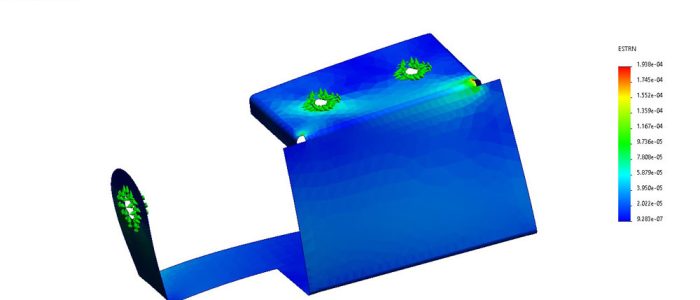
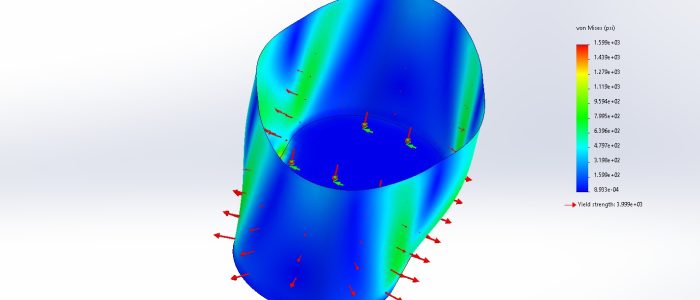
  • SolidWorks Simulation von Mises stress plot of an internally pressurised pressure vessel, viewed from above, showing colour-mapped stress distribution from low (blue) to high (red) with pressure arrows applied to the internal surfaces and deformation exaggerated for visualisation

Engineering-Led AS 3774 Assessment

At Hamilton By Design, hopper assessments are approached as a combined process and structural problem, not just a compliance exercise.

Our workflow typically integrates:

  • High-accuracy 3D LiDAR scanning to capture true geometry
  • SolidWorks 3D modelling of hoppers and support steelwork
  • Structural FEA with AS 3774 load cases applied
  • Targeted strengthening or upgrade design where required

This allows clients to:

  • Increase throughput with confidence
  • Extend asset life
  • Avoid unnecessary replacement
  • Maintain steady-state operation safely

Hamilton By Design logo displayed on a blue tilted rectangle with a grey gradient background
3D LiDAR scanning and 3D modelling service button โ€” laser scanner capturing a point cloud for engineering and CAD modelling
Mechanical engineering services

Bringing It All Together

Hoppers are fundamental to stable, high-availability bulk materials processing.

They:

  • Enable steady-state production
  • Buffer variability
  • Provide valuable process capacity

But they also:

  • Introduce complex, non-intuitive loads
  • Demand careful application of AS 3774
  • Require accurate geometry and engineering verification

When hopper design and assessment are done correctly, they support production.
When they are not, they quietly become one of the highest structural risks in the plant.


Name
Would you like us to arrange a phone consultation for you?
Address

Our clients:


3D CAD Modelling Australia service banner for Hamilton By Design


CHPP Engineering title graphic featuring bold white text reading "CHPP Engineering" centred on a blue rounded rectangle background.
Pipework Drafting title graphic featuring bold white text reading "Pipework Drafting" centred on a blue rounded rectangle background.
3D LiDAR Scanning for Engineering Projects title graphic featuring bold white text on a blue rounded rectangle background.


Finite Element Analysis (FEA) engineering simulation button
Structural drafting services button
Mechanical drafting services button


Australian Drafting logo featuring bold white text reading "Australian Drafting" centred on a blue rounded rectangle background.
Engineering Governance title graphic featuring bold white text reading "Engineering Governance" centred on a blue rounded rectangle background.
Engineering-Grade LiDAR Scanning title graphic featuring bold white text on a blue rounded rectangle background.


Mechanical drafting services button
Structural drafting services button


Fabrication and product design services
3D CAD Modelling Australia service banner for Hamilton By Design
Mechanical, Structural & Pipework Drafting service banner by Hamilton By Design featuring white text on a blue background.


3D LiDAR scanning and 3D modelling service button โ€” laser scanner capturing a point cloud for engineering and CAD modelling
Mechanical engineering services

Mechanical Engineering | Structural Engineering


AS 3990 Mechanical Equipment Steelwork | Walkways, Platforms & Conveyor Structures

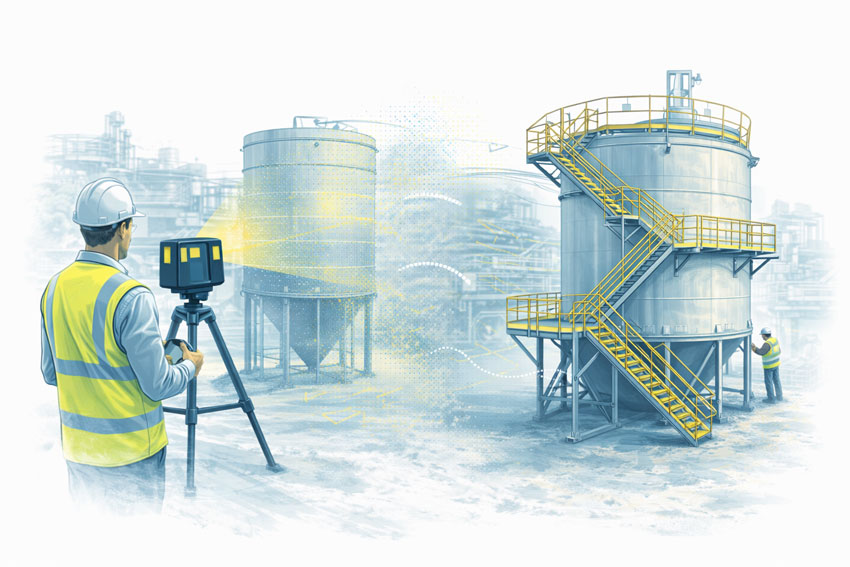
Engineer using LiDAR scanner to capture as-built tank steelwork, transitioning to compliant AS 3990 walkways and access platforms

AS 3990 โ€“ Mechanical Equipment Steelwork

Walkways, Conveyor Structures, Platforms and Gantries

Mechanical equipment steelwork is everywhere in industrial sites โ€” conveyor structures, access walkways, maintenance platforms, gantries and support frames. Over time, these structures are modified, loaded differently, repaired, and upgraded. Thatโ€™s where AS 3990 โ€“ Mechanical equipment โ€“ Steelwork becomes critical: it provides a framework for designing and verifying steelwork that supports mechanical equipment and associated access systems.

At Hamilton By Design, we help asset owners and project teams reduce risk by converting real as-built steelwork into engineering-grade digital models that can be checked, upgraded, and documented with confidence.


3D LiDAR scanning of industrial tank steelwork showing as-built condition and engineered walkways and stairs designed to AS 3990

When AS 3990 Steelwork Becomes a Problem in the Real World

Steelwork rarely fails because it was โ€œobviously wrongโ€ on day one. The most common issues develop gradually due to changes in loading, upgrades, corrosion, or incomplete documentation.

Common triggers we see on site

  • New conveyor drives, chutes, skirts, guards, or pull-wire systems added after commissioning
  • Extra services added: cable trays, hose reels, water lines, pipework, and supports
  • Walkway changes for access, maintenance, or guarding upgrades
  • Localised damage from impact, vibration, or operational fatigue
  • Corrosion or section loss in wash-down areas, coastal environments, or chemical exposure zones
  • Legacy steelwork with missing drawings or unknown load assumptions

If you canโ€™t prove what exists (accurately), it becomes difficult to prove compliance, fitness-for-purpose, or due diligence.


Key Engineering Risks with Walkways, Platforms, Gantries and Conveyor Structures

1) Design intent vs as-built reality

Many sites have steelwork that differs from drawings due to shutdown modifications or brownfield constraints. Small deviations in member size, connection detailing, or geometry can materially change structural performance.

2) Loads have changed โ€” but the steelwork didnโ€™t

A โ€œsimpleโ€ modification can add significant load: added services, heavier equipment, changed maintenance practices, or multiple personnel working in the same bay. These changes can push members or connections beyond the original assumptions.

3) Conveyor vibration and dynamic effects

Conveyor structures experience cyclic loading, start/stop effects, and vibration. Even if the structure looks acceptable, fatigue and resonance can become a long-term reliability problem โ€” particularly around drive stations, transfer points, and cantilevered platforms.

4) Connection adequacy often governs

Field-welded brackets, modified gussets, bolt slip, corroded fasteners, and non-standard connection geometry can become the weak link. Connection performance is frequently the true limiting factor in older or heavily modified steelwork.

5) Access and safety interfaces

Walkways and platforms often sit at the intersection of multiple requirements: safe access geometry, handrails, toe-boards, gates, and guarding. If access steelwork was modified without a proper verification step, the risk becomes both structural and safety-related.


What โ€œVerificationโ€ Looks Like in Practice

AS 3990 steelwork compliance is not just a box-tick. In a practical project environment, it means you can answer:

  • What steelwork exists right now (as-built)?
  • What loads and operational conditions apply today (not ten years ago)?
  • Are members and connections adequate under realistic scenarios?
  • What upgrades are required, and can they be fabricated to fit first time?
  • Can the asset owner document compliance and risk controls for governance?

Hamilton By Design supports this process by bringing LiDAR scanning + mechanical engineering + fabrication-ready outputs together under one roof.


How Hamilton By Design Helps (Our Typical Deliverables)

1) Engineering-grade 3D LiDAR scanning of steelwork

We capture accurate geometry of:

  • Walkways and access platforms
  • Conveyor stringers, trestles, and transfer towers
  • Gantries, monorails, and maintenance frames
  • Supports, bracing, ladders, stairs, and access interfaces

Related service:
3D Laser Scanning: https://www.hamiltonbydesign.com.au/3d-laser-scanning/

2) As-built CAD model for verification and design

We convert the scan into usable engineering outputs such as:

  • As-built 3D CAD models
  • Key dimensions, levels, and clearances
  • Interference checking and fit-up planning
  • Fabrication-ready drawings for retrofit steelwork

3) Engineering checks and upgrade design

Where required, we support structural verification and upgrade design using engineering workflows suited to brownfield assets.

Related capability:
SolidWorks FEA / simulation workflows: https://www.hamiltonbydesign.com.au/home/solidworks/solidworks-fea-simulation/


Where This Matters Most (Typical Applications)

  • Conveyor upgrades and transfer station modifications
  • Walkway widening, new stair access, and maintenance platform additions
  • Guarding upgrades, pull-wire additions, and access compliance programs
  • Corrosion repairs and local strengthening
  • Brownfield plant modifications with limited shutdown time
  • Audit readiness and engineering documentation clean-up

If youโ€™re working around conveyors, you may also find this relevant:
AS 1755 Conveyor Safety: https://www.hamiltonbydesign.com.au/as-1755-conveyor-safety/

And for safety leadership context:
Machine guarding lessons: https://www.hamiltonbydesign.com.au/machine-guarding-in-australia-a-decade-of-lessons-for-leaders-asset-owners-and-engineers/


Standards and Compliance Context (How AS 3990 Fits In)

AS 3990 typically sits alongside a broader compliance context depending on the asset and scope. In many industrial environments, it may interact with standards and guidance such as:

  • AS 1657 (fixed platforms, walkways, stairways and ladders)
  • AS 4100 (steel structures)
  • AS/NZS 1170 (structural actions / loading)
  • AS 1755 (conveyor safety and associated interfaces)

For official sources and governance context:

(Note: Always confirm the current revision and applicability of standards for your site, scope, and jurisdiction.)


Why Digital As-Built Matters for AS 3990 Steelwork

A verified as-built model reduces:

  • Upgrade risk and fabrication rework
  • Shutdown time lost to unexpected clashes
  • Safety risks from undocumented modifications
  • Compliance gaps during audits and governance reviews

It also supports โ€œfit-first-timeโ€ fabrication because designers, engineers, and fabricators are working from the same geometry โ€” not assumptions.


Talk to an Engineer About Your AS 3990 Steelwork

If youโ€™re planning an upgrade, responding to an audit, or unsure whether existing walkways, platforms, gantries or conveyor structures still meet their intended duty, we can help you quickly establish a reliable baseline.

Start with scanning, modelling, and engineering verification โ€” and build from facts.

Related service pages to explore:

Hamilton By Design logo displayed on a blue tilted rectangle with a grey gradient background
3D LiDAR scanning and 3D modelling service button โ€” laser scanner capturing a point cloud for engineering and CAD modelling
Mechanical engineering services

Our clients:

Name
Would you like us to arrange a phone consultation for you?
Address
https://youtu.be/jOGYoLL1Vro?si=vPkEAPQiFzB9fd6-

Mechanical Engineering | Structural Engineering


3D Engineering in Melbourne

Hamilton By Design delivers 3D engineering services in Melbourne that enable designers and engineers to develop solutions based on measured reality, not assumptions.

By combining engineering-grade laser scanning, point cloud modelling, and coordinated 3D CAD environments, we support better decision-making across construction, infrastructure, industrial, and asset-upgrade projects throughout Melbourne and Victoria.


Why 3D Engineering Changes Design Outcomes

Traditional design workflows often rely on:

  • Incomplete as-built drawings
  • Historical documentation of unknown accuracy
  • Assumptions about alignment, levels, and clearances

A 3D engineering model replaces uncertainty with verified spatial data.

When designers work inside a coordinated 3D environment, they gain:

  • Full visibility of existing conditions
  • Early identification of constraints
  • Clear understanding of interfaces
  • Confidence that the proposed design can actually be built

This is especially critical for brownfield sites, upgrades, and staged construction works common across Melbourne.


3D Models Enable Better Scope-Driven Design

Every engineering project is governed by scope โ€” what is changing, what remains, and what must interface correctly.

A 3D model allows designers to:

  • Test multiple design options against real constraints
  • Validate that scope assumptions are correct
  • Adjust layouts before drawings are issued
  • Reduce downstream RFIs and site rework

Instead of designing to drawings, teams design to reality.


Laser Scanning as the Foundation of 3D Engineering

Accurate 3D engineering begins with accurate capture.

Our Melbourne workflows are built on professional LiDAR scanning that produces dense, structured point cloud data suitable for engineering use.

Related service:
3D Laser Scanning & Engineering Services Across Melbourne
https://www.hamiltonbydesign.com.au/home/engineering-services/3d-laser-scanning/3d-laser-scanning-melbourne/

This data provides the spatial foundation upon which all subsequent design decisions are made.


Point Cloud Modelling for Engineering Use

Point clouds are not just visual references โ€” when structured correctly, they become engineering data.

Designers can:

  • Measure directly within the model
  • Verify clearances and tolerances
  • Align new works to existing geometry
  • Confirm plumb, level, and deformation

This approach underpins many Melbourne projects where existing assets must remain operational during upgrades.

Related capability:
Mechanical Engineering & LiDAR Scanning in Melbourne
https://www.hamiltonbydesign.com.au/mechanical-engineering-lidar-scanning-melbourne/


3D Engineering for Construction & Retrofit Projects

For construction and retrofit projects, 3D engineering models support:

  • Constructability reviews
  • Clash detection prior to site works
  • Trade coordination
  • Installation sequencing

Design intent can be validated before materials are fabricated or ordered, reducing cost and schedule risk.

Melbourne scanning and modelling services are coordinated under:
3D Scanning Melbourne
https://www.hamiltonbydesign.com.au/category/engineering-consulting-services/3d-laser-scanning/3d-scanning-melbourne/


Our clients


Better Information = Better Engineering Decisions

A 3D engineering model allows designers to answer critical questions early:

  • Will it fit?
  • Can it be installed?
  • Does it clash with existing services?
  • Is the assumed geometry actually correcting?
  • Can this be built safely and efficiently?

By resolving these questions digitally, engineering teams reduce uncertainty and improve outcomes across the entire project lifecycle.


Hamilton By Design logo displayed on a blue tilted rectangle with a grey gradient background
3D LiDAR scanning and 3D modelling service button โ€” laser scanner capturing a point cloud for engineering and CAD modelling
Mechanical engineering services

Why Hamilton By Design in Melbourne

  • Engineering-led scanning and modelling
  • 3D models built from verified site data
  • Strong integration between capture, CAD, and engineering review
  • Experience with brownfield, retrofit, and complex sites
  • Models that support real design decisions โ€” not just visuals

We donโ€™t just create 3D models.
We create engineering environments that designers can trust.


Discuss Your 3D Engineering Requirements in Melbourne

If your project requires accurate information to support design decisions, Hamilton By Design can assist with 3D engineering in Melbourne from initial capture through to coordinated model delivery.

Contact us to discuss your scope and design requirements.

Name
Would you like us to arrange a phone consultation for you?
Address

3D CAD Modelling Australia service banner for Hamilton By Design


CHPP Engineering title graphic featuring bold white text reading "CHPP Engineering" centred on a blue rounded rectangle background.
Pipework Drafting title graphic featuring bold white text reading "Pipework Drafting" centred on a blue rounded rectangle background.
3D LiDAR Scanning for Engineering Projects title graphic featuring bold white text on a blue rounded rectangle background.


Finite Element Analysis (FEA) engineering simulation button
Structural drafting services button
Mechanical drafting services button


Australian Drafting logo featuring bold white text reading "Australian Drafting" centred on a blue rounded rectangle background.
Engineering Governance title graphic featuring bold white text reading "Engineering Governance" centred on a blue rounded rectangle background.
Engineering-Grade LiDAR Scanning title graphic featuring bold white text on a blue rounded rectangle background.


Mechanical drafting services button
Structural drafting services button


Fabrication and product design services
3D CAD Modelling Australia service banner for Hamilton By Design
Mechanical, Structural & Pipework Drafting service banner by Hamilton By Design featuring white text on a blue background.


3D LiDAR scanning and 3D modelling service button โ€” laser scanner capturing a point cloud for engineering and CAD modelling
Mechanical engineering services

Engineering Confidence in South Yarra, Melbourne

LiDAR scanning Melbourne

Melbourne has long been recognised as one of Australiaโ€™s most advanced engineering and manufacturing centres, and inner-city hubs such as South Yarra sit at the intersection of design, industry, infrastructure, and innovation. As projects become more complex and timelines more compressed, engineering teams are increasingly seeking partners who can reduce uncertainty, improve accuracy, and provide reliable technical insight from day one.

This is where Hamilton By Design delivers genuine value.

Hamilton By Design operates as an engineer-led consultancy focused on precision, constructability, and real-world outcomes. Rather than working from assumptions or incomplete information, the business is built around capturing existing conditions accurately and transforming that data into practical engineering deliverables that support confident decision-making.

Moving Beyond Assumptions in Modern Engineering

Many engineering challenges in metropolitan Melbourne are not greenfield projects. They involve existing buildings, operating facilities, constrained spaces, legacy assets, or staged upgrades that must integrate seamlessly with what is already in place. In these environments, relying on outdated drawings or manual measurements introduces risk โ€” misalignment, clashes, rework, and delays that can quickly erode budgets and schedules.

Hamilton By Design addresses this challenge by placing reality capture and engineering validation at the front end of projects. This ensures that every downstream decision is based on what truly exists on site, not what is assumed to exist.

For engineering teams working in and around South Yarra โ€” whether supporting manufacturing, infrastructure, plant upgrades, or specialist facilities โ€” this approach significantly reduces technical risk and increases confidence across all stakeholders.

LiDAR Scanning as a Foundation for Accuracy

A key capability that differentiates Hamilton By Design is its use of engineering-grade LiDAR scanning. Unlike traditional surveys that capture selective points, LiDAR scanning records millions of measurements across an entire environment, producing a high-resolution digital representation of buildings, plant, structures, and surrounding context.

This data becomes a reliable reference point for engineers, designers, fabricators, and project managers alike.

LiDAR scanning enables:

  • Accurate capture of complex geometries and tight spaces
  • Clear identification of spatial constraints and interfaces
  • Early detection of clashes and access issues
  • Reduced need for repeat site visits
  • Improved coordination between disciplines

By converting physical assets into precise digital data, Hamilton By Design helps teams eliminate ambiguity and work from a single source of truth.

From Scan Data to Engineering Outcomes

Importantly, Hamilton By Design does not operate as a scanning-only service. The real value lies in how scan data is interpreted, validated, and converted into engineering outputs that directly support delivery.

Scan information is used to develop structured models, layouts, and documentation that reflect real-world conditions. This supports engineering activities such as:

  • Mechanical and structural modifications
  • Plant upgrades and equipment integration
  • Space planning and layout optimisation
  • Fabrication and installation planning
  • Asset documentation and as-built records

Because the work is led by experienced engineers, the focus is always on what needs to be built, installed, or modified, not just on creating visually impressive models.

Supporting Engineering Teams and Decision-Makers

In a business and engineering environment like South Yarra โ€” where projects are often time-sensitive and commercially driven โ€” external engineering support must be reliable, efficient, and technically sound.

Hamilton By Design integrates smoothly with internal teams, consultants, and contractors, providing additional technical depth without adding unnecessary complexity. The consultancy model is deliberately structured to support decision-makers who need clarity, not noise.

This means:

  • Clear communication of constraints and risks
  • Practical recommendations grounded in real site data
  • Deliverables aligned with fabrication and construction needs
  • Engineering documentation that supports approval and execution

The result is fewer surprises downstream and a smoother path from concept through to implementation.

Engineering for Brownfield and Live Environments

One of the most challenging aspects of modern engineering is working within live or brownfield environments โ€” facilities that cannot simply shut down for measurement, redesign, or rework. In these settings, accuracy and planning are critical.

Hamilton By Designโ€™s LiDAR-driven workflows are particularly well suited to these conditions. Rapid data capture minimises disruption on site, while the detailed digital record allows engineering work to continue remotely with confidence.

This approach supports safer planning, better coordination, and reduced exposure to operational risk โ€” outcomes that are highly valued by engineering leaders and project managers alike.

A Practical, Engineer-Led Philosophy

At its core, Hamilton By Design operates on a simple but powerful principle: engineering should be grounded in reality. By combining high-accuracy site data with deep engineering experience, the consultancy helps organisations make informed decisions, avoid costly mistakes, and deliver projects that work the first time.

For organisations operating in South Yarra and the broader Melbourne region, this means access to an engineering partner who understands both the technical and commercial pressures of modern project delivery.

Engineering Certainty in a Complex World

As engineering projects continue to increase in complexity, the margin for error continues to shrink. Those who invest early in accurate data and sound engineering judgement gain a clear advantage โ€” fewer delays, lower risk, and better outcomes.

Hamilton By Design provides that advantage by bridging the gap between the physical site and the engineering office. Through precise LiDAR scanning, practical engineering insight, and a strong focus on constructability, the consultancy supports confident, efficient, and reliable project delivery across Melbourneโ€™s most demanding environments.

LiDAR scanning Melbourne

Hamilton By Design logo displayed on a blue tilted rectangle with a grey gradient background
3D LiDAR scanning and 3D modelling service button โ€” laser scanner capturing a point cloud for engineering and CAD modelling
Mechanical engineering services

Our clients:

Name
Would you like us to arrange a phone consultation for you?
Address
3D LiDAR scanning and 3D modelling service button โ€” laser scanner capturing a point cloud for engineering and CAD modelling
Mechanical engineering services
Finite Element Analysis (FEA) engineering simulation button
Mechanical engineering services