

In high-wear environments such as mining, minerals processing and bulk material handling, chutes are constantly subject to abrasion, material impact and scraper wear. But too often, chute design prioritises material flow while overlooking how maintenance crews will access, replace, or adjust wear components and scrapers safely and efficiently.
At Hamilton by Design Co., we engineer chutes not only for performance—but for maintainability. Because downtime, difficult access and costly labour aren’t just inconvenient—they cut straight into your production goals.
Why Maintenance-Friendly Chute Design Matters
Traditional chutes often have one thing in common: they’re hard to service. Common pain points include:
- Poor access to internal wear liners
- Limited clearance for scraper removal/replacement
- Unsafe confined spaces for maintenance crews
- Complex disassembly for simple tasks
When maintenance teams struggle to reach components, the outcome is predictable: reduced uptime, increased safety risk and higher long-term operating costs.
A better design not only minimises wear—it facilitates wear replacement.
Key Principles in Maintainable Chute Design
1. Access First—Flow Second
At Hamilton by Design we always ask:
Can a technician reach the wear components safely and efficiently?
Practical solutions we use include:
- Strategic access doors positioned adjacent to high-wear zones
- Removable panels with quick-release fasteners
- Tool-less entry where safe to do so
Simple changes like these reduce maintenance time dramatically.
2. Clearance and Space for Wear Component Removal
Every chute design should consider how a liner panel, scraper blade or skirting board will be removed and replaced. That means:
- Adequate clearance for lifting gear
- Doors that open wide enough for component extraction
- Recessed bolt access to avoid removal obstacles
This forward planning translates directly to lower labor hours and fewer workarounds.
3. Modular Wear Components
Instead of large, welded-in liners that require cut-out replacement, we prefer:
- Modular liner segments
- Bolted scraper shoes
- Replaceable wear strips
Modularity means teams can replace only what’s worn—without disassembling the whole chute.
4. Scrapers Designed for Easy Swap-Out
Scraper blades are one of the most frequently replaced items in feed and transfer chutes. Good design ensures:
✔ blades are accessible
✔ blades can be removed with minimal tools
✔ adjustment points are visible and reachable
Hamilton by Design uses engineered scraper blocks and mounting systems that:
- protect the blade from downstream impacts
- allow quick blade indexing or change-out
- can be serviced from outside the chute where possible
5. Safety and Compliance Built In
Maintenance isn’t just easier—it must also be safer. That’s why our designs include:
🔹 lockable access panels
🔹 clear entry/egress paths
🔹 adequate lighting and fall protection points
🔹 confined-space considerations where relevant
Taking safety off the critical path keeps your team productive and compliant.
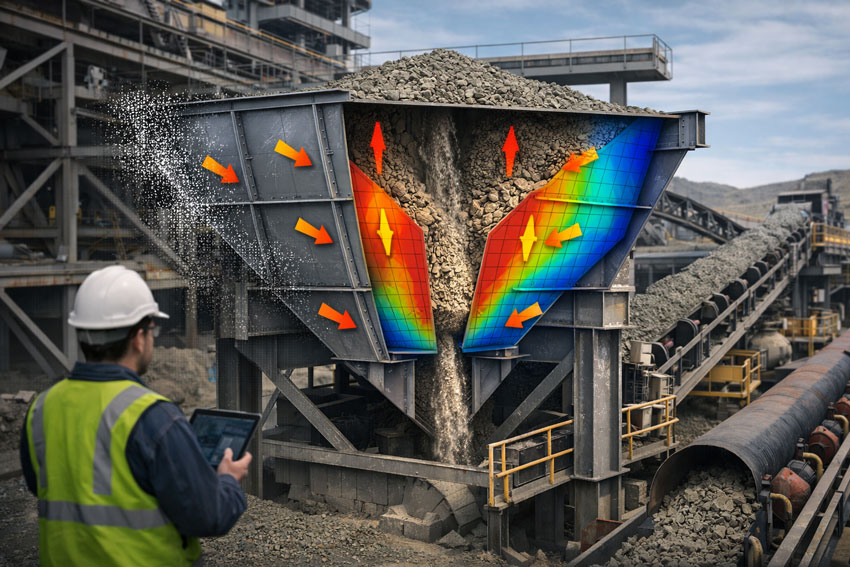
Putting It All Together: Benefits You Can Measure
When chute design accommodates maintenance needs, the benefits are real:
| Outcome | Benefit |
|---|---|
| Shorter maintenance windows | More uptime |
| Easier scraper changes | Lower labour cost |
| Modular wear parts | Reduced inventory waste |
| Lower safety risk | Fewer incidents and stoppages |
| Better flow + maintainability | Higher throughput |
Hamilton by Design: Chutes Built for the People Who Maintain Them
At Hamilton by Design Co., we recognise that chutes don’t just sit there—they work hard, and your team works hard to keep them running.
That’s why our engineers consider:
✅ material properties
✅ wear patterns
✅ maintenance access
✅ scraper replacement
✅ safety & ergonomics
all from the earliest design stage.
If your operation is battling hard-to-maintain chutes, or you want chutes that perform and serve your maintenance crews well, we’d love to help.
Contact Hamilton by Design today for a design review or quote.