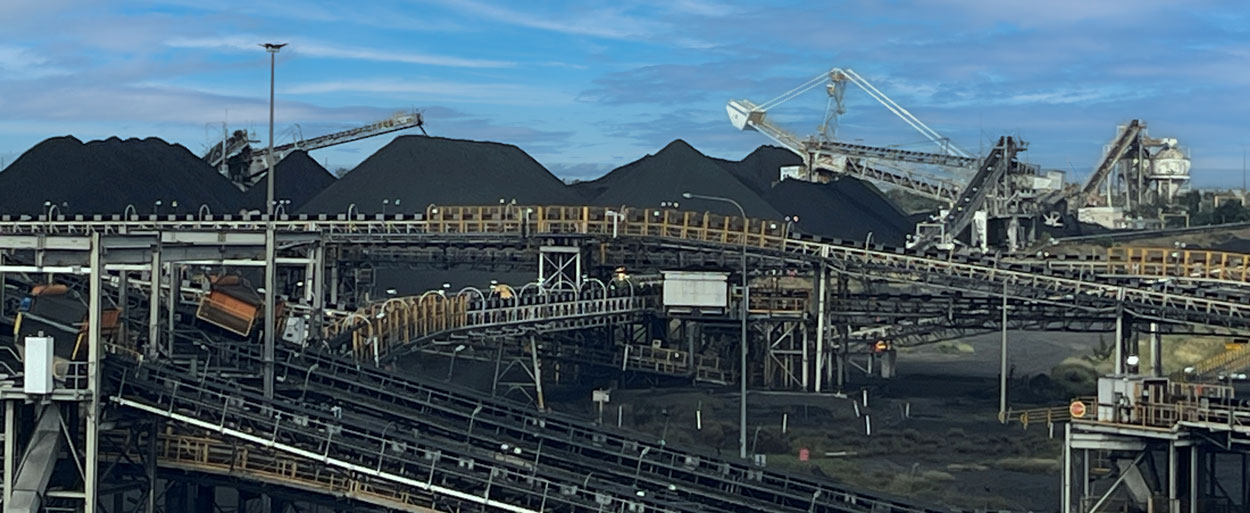
Conveyor Drives in Underground Coal Mines

Operation, Design Challenges, and the Role of Direct Drive Units
In the highly demanding and regulated world of underground coal mining, the reliable and efficient transport of coal from the mining face to the surface is critical. Among the many systems involved in this process, conveyor drives play a pivotal role. These systems are tasked with powering conveyor belts that haul coal over long distances through often confined and hazardous environments. A vital part of this setup includes the use of direct drive units (DDUs), particularly in low-profile applications such as underground operations.

This document explores the functionality of conveyor drives in underground coal mines, the unique challenges faced in their operation, the complexities design engineers encounter in their development, and the concept of the phase “outbye”โ€”a term widely used in underground mining to describe the direction and location of operations.


Conveyor Drives in Underground Coal Mining

A conveyor drive is a mechanical system that powers conveyor belts used to transport materials, in this case, coal. In underground mines, these conveyor belts often run for several kilometers, extending from the coal face (the area where coal is actively being cut and mined) to the shaft or drift that brings the coal to the surface.

The drive systems can be located at several points along the belt:

  • Head drive: Located at the discharge end of the conveyor.
  • Tail drive: Located at the loading end.
  • Mid-belt drives: Installed partway along long conveyors to help manage torque and reduce belt tension.

In the context of underground coal mines, the term “conveyor drive” is generally associated with the head or tail drive unit, which powers the movement of the belt.


Role of Direct Drive Units (DDUs)

Direct Drive Units are electric motors directly coupled to the drive shaft of the conveyor pulley, eliminating the need for intermediary gearboxes or belt drives. These units are especially advantageous in underground mining due to their compact design, reliability, and reduced maintenance.

Benefits of DDUs in Underground Coal Mines

  1. Compact Size: Ideal for low-profile mining applications where vertical space is restricted.
  2. Energy Efficiency: With fewer mechanical components, DDUs offer less friction and mechanical losses.
  3. Lower Maintenance: No gearboxes or belt couplings to service.
  4. Increased Reliability: Fewer parts mean fewer failure points.
  5. Improved Safety: The enclosed design minimizes exposure to moving parts and flammable materials.

Australian Mining, Hamilton By Design, Mechanical Engineering

Operational Challenges of Conveyor Drives Underground

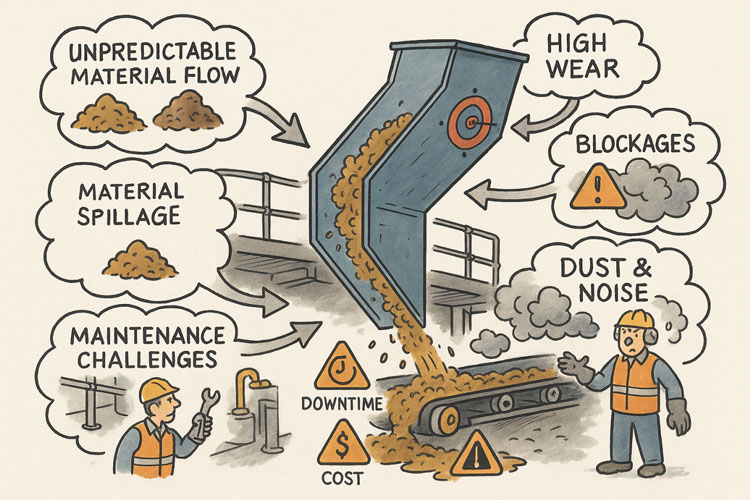
Underground coal mining presents a set of challenges not commonly encountered in surface operations. Conveyor drives, as the lifeblood of coal transportation, are central to these operational difficulties.

1. Space Constraints

Underground roadways are typically narrow and low, especially in coal seams with minimal thickness. This limitation forces the use of low-profile conveyor systems, which in turn limits the size and configuration of the drive units.

2. Dust and Moisture Exposure

Coal dust is highly abrasive and, in certain concentrations, explosive. Moisture from groundwater or the mining process further complicates the reliability of drive components. Ensuring DDUs are properly sealed and rated for these harsh conditions is critical.

3. Heat and Ventilation

Electric motors generate heat, which must be dissipated. However, underground mines have limited ventilation. Overheating can be a major issue, requiring cooling systems or specialized motor enclosures.

4. Explosion-Proof Requirements

Due to the potential presence of methane gas and coal dust, all electrical equipment, including conveyor drives, must comply with stringent explosion-proof standards (e.g., IECEx or ATEX ratings).

5. Long Haul Distances

Modern coal faces can be several kilometers from the shaft bottom. Transporting coal over long distances places mechanical stress on conveyor belts and drive units, increasing the risk of failure if not properly engineered.

6. Maintenance Access

Accessing conveyor drives for inspection or maintenance can be difficult in tight underground environments. Failures that require replacement or repair can cause significant production delays.

7. Load Variability

The volume of coal being hauled can vary significantly during a shift, which places variable demands on the drive system. The control systems must be able to accommodate fluctuating loads without mechanical strain.


Hamilton By Design promotional graphic featuring industrial machinery imagesโ€”including a rotating mill, preventive maintenance gears, and a coal conveyorโ€”alongside the Hamilton By Design logo and the text โ€˜Mechanical Engineers โ€“ www.hamiltonbydesign.com.auโ€™.โ€

Engineering and Design Challenges

Design engineers are tasked with creating conveyor drive systems that are not only robust and efficient but also compact and compliant with mining regulations. Some of the key design challenges include:

1. System Integration in Confined Spaces

Engineering a system that fits into limited space while delivering the necessary power is a fundamental challenge. Direct drive units help address this by eliminating gearboxes, but the motor itself must still be sized correctly.

2. Material Selection

Materials used must be corrosion-resistant, non-sparking, and capable of withstanding vibration, dust ingress, and moisture. This often limits design options and increases costs.

3. Thermal Management

Ensuring that the drive units do not overheat requires careful thermal modeling and the use of heat-resistant components. In some cases, passive or active cooling systems are integrated.

4. Compliance with Standards

Designs must adhere to a host of mining and electrical standards for flameproof and intrinsically safe equipment. Certification processes can be lengthy and expensive.

5. Modularity and Transportability

Since access to underground sites is limited, equipment must be modular or transportable in pieces small enough to be moved through shafts or drifts. Assembling and commissioning underground adds another layer of complexity.

6. System Control and Monitoring

Advanced drives require smart control systems that can adjust to load demands, monitor for faults, and integrate with mine-wide automation systems. Designing these systems requires interdisciplinary expertise.

7. Redundancy and Reliability Engineering

System failure underground can halt production and pose safety risks. Engineers must design for redundancy and easy switch-over between drive systems when necessary.


Understanding the Term โ€œOutbyeโ€

In underground mining terminology, directionality is essential for communication and logistics. The terms โ€œinbyeโ€ and โ€œoutbyeโ€ are commonly used to describe relative directions underground.

What Does โ€œOutbyeโ€ Mean?

  • Outbye refers to the direction away from the coal face and toward the surface or the mine entrance.
  • Conversely, inbye means toward the coal face.

For example:

  • If a miner is walking from the coal face toward the conveyor belt transfer station, they are walking outbye.
  • If a service vehicle is heading toward the longwall face, it is moving inbye.

Relevance of โ€œOutbyeโ€ in Conveyor Systems

In conveyor operations:

  • The coal face is the inbye starting point.
  • The belt head drive and transfer points to the main conveyor system are located outbye.
  • Maintenance and service activities often take place outbye to avoid interfering with production at the face.

Understanding this term is critical for coordinating activities underground, as directions are often communicated using inbye and outbye references rather than compass points or distances.


Digital engineering graphic featuring a central robotic arm icon surrounded by futuristic interface elements, cloud and AI symbols, and motion-blurred technology backgrounds. The SolidWorks logo appears on the left and the Hamilton By Design logo on the right, representing advanced 3D modelling and digital engineering capabilities.

Innovations and Future Trends

The mining industry continues to evolve, and conveyor drive systems are no exception. Some of the emerging trends and technologies include:

1. Variable Speed Drives (VSDs)

VSDs allow precise control over motor speed and torque, improving efficiency and reducing mechanical stress. They are increasingly paired with direct drive units to optimize performance.

2. Condition Monitoring

Sensors embedded in motors and drive systems can provide real-time feedback on vibration, temperature, and load. Predictive maintenance models reduce downtime.

3. Permanent Magnet Motors

These motors offer higher efficiency and torque density compared to traditional induction motors, making them well-suited for space-constrained environments.

4. Automation and Remote Control

Fully integrated systems that allow operators to monitor and control conveyor drives from surface control rooms are becoming standard.

5. Modular, Plug-and-Play Designs

Future drive units are being designed with ease of installation and replacement in mind, enabling faster deployment and lower maintenance impact.


Conclusion

Conveyor drive systems in underground coal mining are vital to the continuous flow of material and, by extension, the productivity of the entire mining operation. The adoption of direct drive units is helping to meet the unique demands of underground environments by providing compact, reliable, and efficient power transmission solutions.

However, these systems are not without their challenges. From the operational constraints of underground environments to the rigorous demands placed on design engineers, the development and maintenance of these systems require specialized knowledge, innovative thinking, and strict adherence to safety standards.

Moreover, understanding mining-specific terminology such as “outbye” provides important context for the deployment and maintenance of conveyor systems. As technology continues to advance, we can expect to see more intelligent, adaptive, and efficient conveyor drive systems that are better suited to the evolving demands of underground coal mining.

#CoalMining #EngineeringSolutions #MechanicalEngineering #ConveyorSystems #MiningIndustry #UndergroundMining #AustralianEngineering #HamiltonByDesign

Hamilton By Design | Mechanical Drafting | Structural Drafting | 3-D Lidar Scanning

How Mechanical Engineers Are Powering Mining on the Central Coast

Mechanical Engineers Are Powering Mining

The Central Coast of New South Wales is more than just pristine beaches and a relaxed lifestyle. Beneath its surface lies a strong industrial and mining support sector where mechanical engineers are playing a vital role in modernising, maintaining, and innovating heavy machinery and infrastructure.

At Hamilton By Design, we specialise in mechanical engineering consulting services across Australiaโ€”including support for clients right here on the Central Coast. Visit us at ๐Ÿ‘‰ www.hamiltonbydesign.com.au to explore our services.

ย 

ย 

ย 

ย 


๐Ÿ‘ท Why Mechanical Engineering Matters in Mining

Mechanical engineers are the invisible backbone of mining operations. In Central Coast-based support industries and nearby projects like Wallarah 2, mechanical engineers handle:

  • Design & Drafting of Mining Infrastructure

  • Maintenance Systems for Plant and Equipment

  • Automation, Robotics, and Sensor Integration

  • Environmental Engineering for Emission Reduction

  • Reliability and Safety Auditing

Whether it’s conveyor systems, processing plants, underground ventilation, or mobile plant maintenance, mechanical engineers ensure it all runs smoothly, safely, and efficiently.


๐Ÿ“ Mechanical Engineering Jobs on the Central Coast

The Central Coast is home to a growing number of engineering-based businesses and industrial hubs:

  • Somersby, Tuggerah, and Lisarow host major mechanical and fabrication workshops.

  • Companies like Wabtec, Coffey, and Boral regularly seek mechanical engineers.

  • The region supports jobs ranging from drafting and design to hands-on site-based maintenance.

At Hamilton By Design, we provide the expertise and consulting support these businesses needโ€”structural drafting, 3D laser scanning, plant design, and more.

๐Ÿ‘‰ Want to collaborate? Visit us at www.hamiltonbydesign.com.au

ย 

ย 

ย 


๐Ÿ”ง Trends Shaping Mechanical Engineering in Mining

If you’re working in, or supplying to, the mining industry, here are five key trends affecting mechanical engineers today:

  1. Automation & Remote Control Systems

  2. Data-Driven Predictive Maintenance

  3. Sustainable Design and Energy Efficiency

  4. Digitisation via Lidar & 3D Scan Models

  5. Multi-disciplinary Integration (Mech + Elec + Struct)

Hamilton By Design helps clients stay ahead of these trends with cutting-edge tools, qualified engineering support, and experienced consultants.


๐Ÿง‘โ€๐Ÿญ Training Pathways for Engineers on the Coast

  • TAFE NSW offers mechanical engineering and drafting training.

  • Central Coast Council and local employers provide apprenticeships and work experience.

  • Many local high schools and programs now promote STEM and engineering career pathways.

Are you a contractor, project manager, or engineering lead on the Coast looking for expert support? We’re ready to help.

๐Ÿ‘‰ Contact us at www.hamiltonbydesign.com.au


๐ŸŒŠ Why Base Yourself on the Central Coast?

  • Easy access to Newcastle and Sydney mining regions

  • Affordable living and coastal lifestyle

  • Thriving local industry with national project links

Whether youโ€™re managing a plant upgrade or need detailed mechanical drawings for a site modification, Hamilton By Design has the skills and tools to support your project.


Letโ€™s Talk Engineering

Hamilton By Design is a trusted name in mechanical and structural design, offering:

Mechanical design & consulting
Structural drafting
Lidar scanning & 3D modelling
Australia-wide service reach

Visit: www.hamiltonbydesign.com.au
Email: info@hamiltonbydesign.com.au


Your Central Coast Engineering Partner โ€“ Hamilton By Design

ย 

Supporting Australian mining and industry with precision and experience.

ย 


#CentralCoast #MechanicalEngineering #MiningSupport #HamiltonByDesign #EngineeringConsultants #MiningInnovation #NSWIndustry #LidarScanning #PlantDesign


ย 

ย 
ย 
ย 
Hamilton By Design logo displayed on a blue tilted rectangle with a grey gradient background

Our cliest:

Name
Would you like us to arrange a phone consultation for you?
Address

Mechanical Engineering at the Heart of Mining on the Central Coast

ย  ๐Ÿ› ๏ธ

1. Setting the Scene: The Central Coast & Its Industrial Backbone

Home to nearly 350,000 people across Gosford, Wyong, Terrigal, and beyond, the Central Coast is well-known for its beaches and bushlandโ€”yet it also supports a robust industrial and miningโ€‘services sector (Jora, Wikipedia). With growing infrastructure demands and proximity to resource projects like the Wallarahโ€ฏ2 coal proposal near Wyong (Wikipedia), mechanical engineers play a pivotal role behind the scenes.

ย 

2. What Do Mechanical Engineers Do in Mining on the Coast?

Mechanical engineers in mining and related heavy industries are responsible for:

  • Design & Maintenance: Planning, designing, and overseeing maintenance of critical mineral processing plants, machinery, conveyors, trucks and drilling rigs (Jobsora).

  • Automation Integration: Implementing robotics, programmable logic controllers (PLCs), remote operation systems, and predictive maintenance tools .

  • Health & Safety Compliance: Ensuring mechanical systems meet stringent safety regulations and operator protection standards (Jora).

  • Environmental Efficiency: Optimising equipment to reduce energy use, emissions, and noiseโ€”all while supporting mine rehabilitation efforts .


3. Job Opportunities in the Region

Recent job listings highlight robust opportunities for mechanical engineers across the Coast:

  • Mining Mechanical Engineer roles are regularly advertised in Gosford/Lisarow, appearing in SEEK and Jora job postings (SEEK).

  • Roles span senior design positions to handsโ€‘on maintenance engineeringโ€”offering full-time opportunities with firms like Wabtec, Hyundaiโ€ฏRotem, Boral, and Coffey (SEEK).

  • Entry-level and graduate engineering roles are also available through pathways like Central Coast Council traineeships and TAFE NSW programs (Central Coast Council).


4. Industry Trends and What Youโ€™ll Need

As described by Titan Recruitment, the mining sector is embracing several transformative trends (Titan Recruitment):

  1. Automation & Robotics: Engineers are tasked with integrating autonomous machinery and control systems.

  2. Digital & Data Analytics: Skills in condition monitoring, sensors, and predictive analytics are in demand.

  3. Sustainability Focus: Thereโ€™s emphasis on clean, efficient systems that reduce environmental footprint.

  4. Complex Machine Design: As equipment sophistication grows, so does the need for mechanical expertise.

  5. Asset Reliability & Safety: Mechanical engineers must ensure zero-fault operation in harsh mining environments.

  6. Site-to-System Integration: Engineers coordinate across disciplinesโ€”mechanical, electrical, structuralโ€”to optimise operations.

  7. Continuous Upskilling: Ongoing educationโ€”through TAFE NSW, professional certifications, and in-house trainingโ€”is critical.


5. Training & Career Pathways on the Central Coast

๐ŸŽ“ Education & Apprenticeships

  • TAFE NSW (Hunter & Central Coast) offers mechanical and engineering trade training, forming a strong foundation for local roles (Wikipedia).

  • Central Coast Council provides apprenticeships and traineeships in mechanical fieldsโ€”ideal stepping stones into industry .

๐Ÿข Local Industry Experience

  • Firms like Wabtec, Hyundaiโ€ฏRotem, Boral, Coffey, and Wright Engineering in Somersby/Gosford offer vital on-the-job training and progression (SEEK).

  • Mining-support businesses across the Central Coast employ engineers to design, maintain, and improve heavy-duty plant and machinery.


6. Why the Central Coast Is a Great Base for Mining Engineers

  • Proximity to Projects: Infrastructure supporting coal drilling and mineral processing connects easily with local towns via major transport routes in and out of Gosford (Jobsora, Wikipedia).

  • Balanced Lifestyle: Work-life harmony blends regional industry jobs with coastal living and access to national parks (Indeed).

  • Clear Career Pathways: Education, apprenticeships, and employers form a supportive ecosystemโ€”from bedrock training to senior site leadership.


Final Takeaway

Mechanical engineers are essential to mining operations on the Central Coastโ€”ensuring machinery runs efficiently, safely, and sustainably. With strong local education pathways, active job markets, and growing tech trends, the region offers rewarding careers tied to both industrial innovation and community lifestyle.

Ready to design, maintain, and optimise the backbone of mining? The Central Coast has the foundationโ€”and the opportunityโ€”awaiting mechanical engineers eager to build the future.

ย 

ย 

Hamilton By Designย |ย Mechanical Draftingย |ย Structural Draftingย |ย 3-D Lidar Scanning

Central Coast | Mount Isa | Brisbane | Cairns | Darwin


Published on Hamiltonโ€ฏbyโ€ฏDesign โ€” shaping engineering futures in NSWโ€™s Central Coast

Hamilton By Design logo displayed on a blue tilted rectangle with a grey gradient background

Our clients:
Name
Would you like us to arrange a phone consultation for you?
Address

Elevating Engineering Precision with 3D CAD, Laser Scanning & Simulation

Elevating Engineering Precision: 3D CAD Design, Laser Scanning, and Simulation for Custom Steel Fabrication


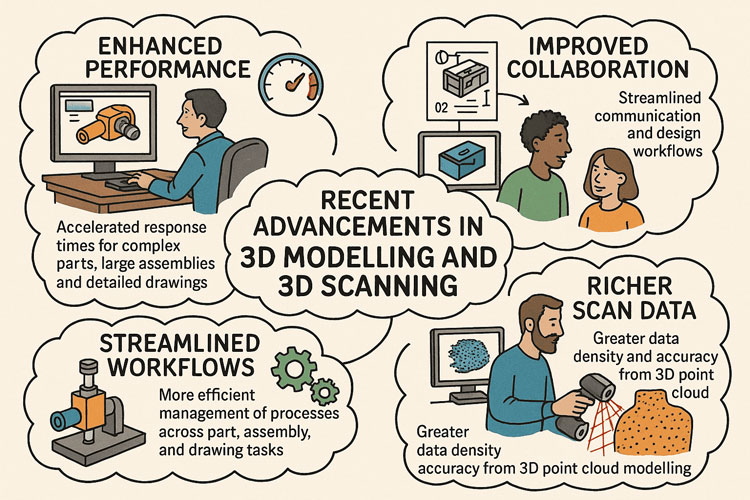
In modern engineering, accuracy, efficiency, and adaptability are not just desiredโ€”they are essential. At Hamilton By Design, we combine cutting-edge tools like 3D CAD design, 3D laser scanning, and SolidWorks FEA Simulation with practical expertise in custom steel fabrication to deliver intelligent, end-to-end solutions for complex engineering projects.

From detailed CAD Modelling to field-accurate Faro Scanning, our consultancy supports Australian industries with precise, timely, and cost-effective design solutions.

The Role of 3D CAD Design in Modern Engineering

3D CAD design (Computer-Aided Design) forms the foundation of most modern engineering workflows. It transforms initial concepts into detailed digital models, enabling design validation, collaboration, and modification long before anything is physically built.

Using tools like SolidWorks, our experienced 3D CAD designers create accurate representations of components, assemblies, and entire systems. This not only reduces costly errors during fabrication but also allows clients to visualise and interact with their product in a virtual environment.

With 3D CAD design at the core, we help clients navigate engineering challengesโ€”from product development to mechanical infrastructureโ€”faster and with greater confidence.


3D Modelling: Bridging Concept and Construction

Closely integrated with CAD design is 3D modelling, which allows designers to create digital prototypes of physical objects. At Hamilton By Design, 3D modelling is used not just for form but also for function. Our models include precise dimensions, material properties, tolerances, and interaction points.

Whether itโ€™s reverse engineering an existing plant structure or designing custom brackets for a conveyor system, our 3D modelling ensures high fidelity and interoperability across platforms.


The Power of 3D Laser Scanning for Engineering Accuracy

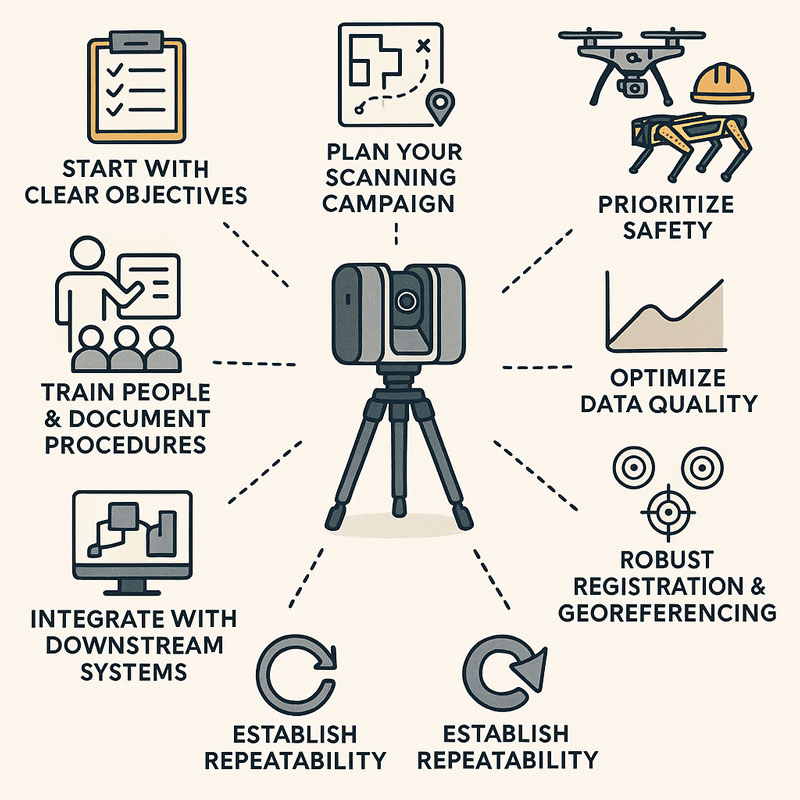
To capture as-built environments with unmatched accuracy, we use 3D laser scan for engineering projects of all sizes. Leveraging Faro scanning technology, we generate detailed point clouds that map real-world environments down to millimetre accuracy.

This Faro scan data is then converted into actionable geometry for further CAD modelling or simulation. Itโ€™s particularly valuable in retrofit, maintenance, or upgrade projects, where existing site data is often incomplete or outdated.

Whether youโ€™re updating mechanical systems in a processing plant or ensuring compliance in a structural audit, 3D laser scanning delivers the reliable data you need for precise engineering decisions.


From Scan to Simulation: Enhancing Designs with SolidWorks FEA

After creating a digital model, itโ€™s crucial to understand how it will perform under real-world conditions. Thatโ€™s where SolidWorks FEA simulation comes in.

SolidWorks Simulation allows our team to perform finite element analysis (FEA) on assemblies, evaluating factors such as stress, strain, fatigue, and thermal distribution. By integrating FEA into the design process, we validate designs before they are fabricatedโ€”saving both time and material costs.

This proactive approach is particularly useful in custom steel fabrication, where load-bearing components must meet stringent safety and performance criteria.


CAD Modelling in Custom Steel Fabrication

Custom steel fabrication is both an art and a science. It requires a deep understanding of materials, tolerances, and manufacturing techniques. At Hamilton By Design, we combine advanced CAD modelling with practical fabrication experience to create components that meet your exact requirements.

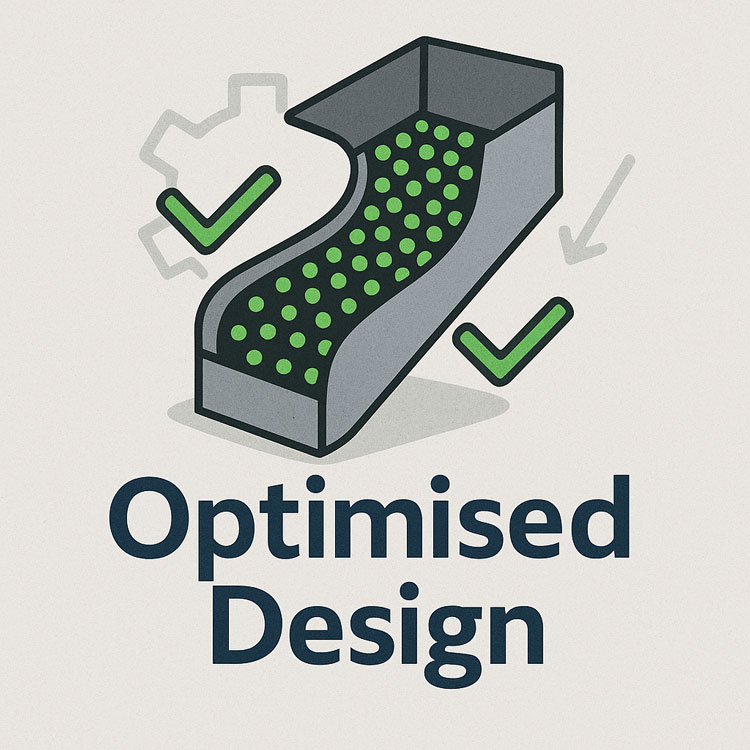
Whether you need custom brackets, enclosures, chutes, or full-scale structural assemblies, our models are production-ready and tailored to your fabrication process. We provide DXFs, laser-cutting files, and BOMs that integrate seamlessly with your shop floor operations.


Why Choose a 3D CAD Designer?

A skilled 3D CAD designer does more than just draw. They anticipate fitment issues, consider manufacturing constraints, and collaborate across disciplines to create practical, buildable designs.

At Hamilton By Design, our team brings over a decade of experience across heavy industry, defence, mining, and manufacturing. We understand the nuances of real-world engineering and tailor our CAD services to each project’s unique needs.


Integrating Faro Scanning with SolidWorks

One of our key differentiators is the seamless integration of Faro scan data into SolidWorks. This workflow allows us to:

  • Overlay scanned data onto CAD designs

  • Identify deviations between as-built and as-designed models

  • Rapidly develop retrofit solutions with accurate field measurements

  • Conduct clash detection and ensure proper clearances

This end-to-end capability reduces rework, shortens project timelines, and increases overall design quality.


Applications Across Industry

Our services benefit a broad range of industries, including:

  • Mining & Processing โ€“ Reverse engineering plant infrastructure, scanning for shutdown planning, custom chute design

  • Manufacturing โ€“ Tooling, jigs, and production line modifications

  • Defence โ€“ CAD design and simulation for retrofit and upgrade works

  • Construction โ€“ Structural steel design and site validation

Whether you’re fabricating a single part or overseeing a multi-million-dollar infrastructure upgrade, our tools and experience help you deliver with confidence.


The Difference

At Hamilton By Design, we donโ€™t just deliver drawingsโ€”we provide engineering certainty. By combining the precision of 3D CAD, the power of SolidWorks simulation, and the real-world accuracy of Faro scanning, we help clients design, assess, and fabricate with confidence.

If you’re looking for an Australian mechanical engineering consultancy that delivers intelligent design, detailed modelling, and practical support for custom steel fabrication projects, we’re ready to help.


Letโ€™s Work Together

Visit www.hamiltonbydesign.com.au to learn more or contact us to discuss how we can support your next engineering challenge.

Our Clients:

Name
Would you like us to arrange a phone consultation for you?
Address

Harnessing the Power of LiDAR: Revolutionizing Engineering with 3D Scanning & SolidWorks

Title: Harnessing the Power of LiDAR: Revolutionizing Engineering with 3D Scanning & SolidWorks

Introduction

At Hamilton By Design, we are committed to integrating cutting-edge technologies to enhance our engineering processes. One such technology that has transformed the landscape of design and construction is LiDAR (Light Detection and Ranging). This advanced 3D scanning tool offers unparalleled precision and efficiency, enabling us to deliver superior outcomes for our clients.

The Evolution of LiDAR Technology

LiDAR technology has come a long way since its inception in the 1960s. Initially developed for meteorological and atmospheric research, it has evolved into a versatile tool used across various industries, including civil engineering, architecture, and environmental monitoring. The integration of GPS and advancements in laser technology have significantly enhanced LiDAR’s accuracy and applicability.

Advantages of Incorporating LiDAR into Engineering

  1. Exceptional Accuracy and Detail LiDAR systems emit laser pulses to measure distances with remarkable precision, creating high-resolution point clouds that capture intricate details of structures and terrains. This level of accuracy is crucial for tasks such as topographic mapping, structural analysis, and as-built documentation.
  2. Efficiency in Data Collection Traditional surveying methods can be time-consuming and labor-intensive. LiDAR, on the other hand, can rapidly collect vast amounts of data, significantly reduce field time and accelerate project timelines.
  3. Enhanced Safety and Accessibility LiDAR enables remote data collection in hazardous or hard-to-reach areas, minimizing risks to personnel. Whether it’s scanning a deteriorating structure or surveying rugged terrain, LiDAR ensures safety without compromising data quality.
  4. Integration with BIM and Digital Twins The detailed 3D models generated by LiDAR can be seamlessly integrated into Building Information Modeling (BIM) systems, facilitating better design visualization, clash detection, and project coordination. This integration supports the creation of digital twins, allowing for real-time monitoring and maintenance planning.
  5. Cost-Effectiveness By reducing the need for repeated site visits and minimizing errors through accurate data capture, LiDAR contributes to cost savings throughout the project lifecycle. Its efficiency translates into reduced labor costs and optimized resource allocation.

Applications in Engineering Projects

At Hamilton By Design, we’ve leveraged LiDAR technology across various projects:

  • Infrastructure Development: Accurate terrain modeling for road and bridge design.
  • Heritage Conservation: Detailed documentation of historical structures for preservation efforts.
  • Urban Planning: Comprehensive city modeling to inform sustainable development.

Conclusion

The integration of LiDAR 3D scanning tools into our engineering processes has revolutionized the way we approach design and construction. Its precision, efficiency, and versatility align with our commitment to delivering innovative and high-quality solutions.

As technology continues to advance, we remain dedicated to adopting tools like LiDAR that enhance our capabilities and set new standards in engineering excellence.

Laser Scan | Hamilton By Design

For more information on how Hamilton By Design utilizes LiDAR technology in our projects, visit our website at www.hamiltonbydesign.com.au.

Mechanical Engineers Structural Engineers

Structural Drafting | Mechanical Drafting | 3D Laser Scanning

Mechanical Engineering

Want to know how 3D Scanning can help your next project?
Get in touch todayย atย sales@hamiltonbydesign.com.au

Unlocking Engineering Potential with the 3DEXPERIENCE Platform

Unlocking Engineering Potential with the 3DEXPERIENCE Platform

ย 

ย 

ย 

At Hamilton By Design, we are committed to pushing the boundaries of innovation and efficiency in industrial design and engineering. One of the most powerful tools enabling this shift is the 3DEXPERIENCE platform by Dassault Systรจmes โ€” a cloud-based, integrated environment that transforms how engineering, design, and manufacturing teams collaborate and operate.

But what makes this platform such a game-changer, particularly in heavy industrial environments?

A Unified Digital Ecosystem

Traditional design and engineering workflows often involve disjointed software systems, siloed communication, and a lack of visibility across teams. The 3DEXPERIENCE platform solves these challenges by offering a centralised digital workspace. It unifies CAD, simulation, data management, and project collaboration under one roof.

At Hamilton By Design, this means we can collaborate with clients, suppliers, and internal teams in real time โ€” reducing delays, increasing transparency, and ensuring version control is never an issue.

Smarter Collaboration and Real-Time Decision-Making

For industrial clients, time is money. Delays caused by miscommunication or outdated files can cost thousands in downtime. With the 3DEXPERIENCE platform, all stakeholders โ€” from engineers and designers to procurement and management โ€” can access a single source of truth, anytime, anywhere.

Changes to 3D models, drawings, or requirements are reflected instantly across the platform. That kind of visibility ensures weโ€™re always aligned with the project vision, improving decision-making speed and accuracy.

Advanced 3D Modelling and Simulation

Designing for complex environments โ€” such as processing plants, mines, or heavy machinery installations โ€” requires robust tools. The 3DEXPERIENCE platform delivers powerful 3D modelling and simulation capabilities through applications like CATIA, SIMULIA, and ENOVIA.

Whether weโ€™re reverse engineering existing assets from LIDAR scans or developing new plant layouts, the platform helps us validate designs early through simulation and stress testing. This leads to fewer surprises during fabrication or installation, and stronger, safer designs.

Hamilton By Design Point Cloud

Integration with LIDAR Scanning and Point Cloud Data

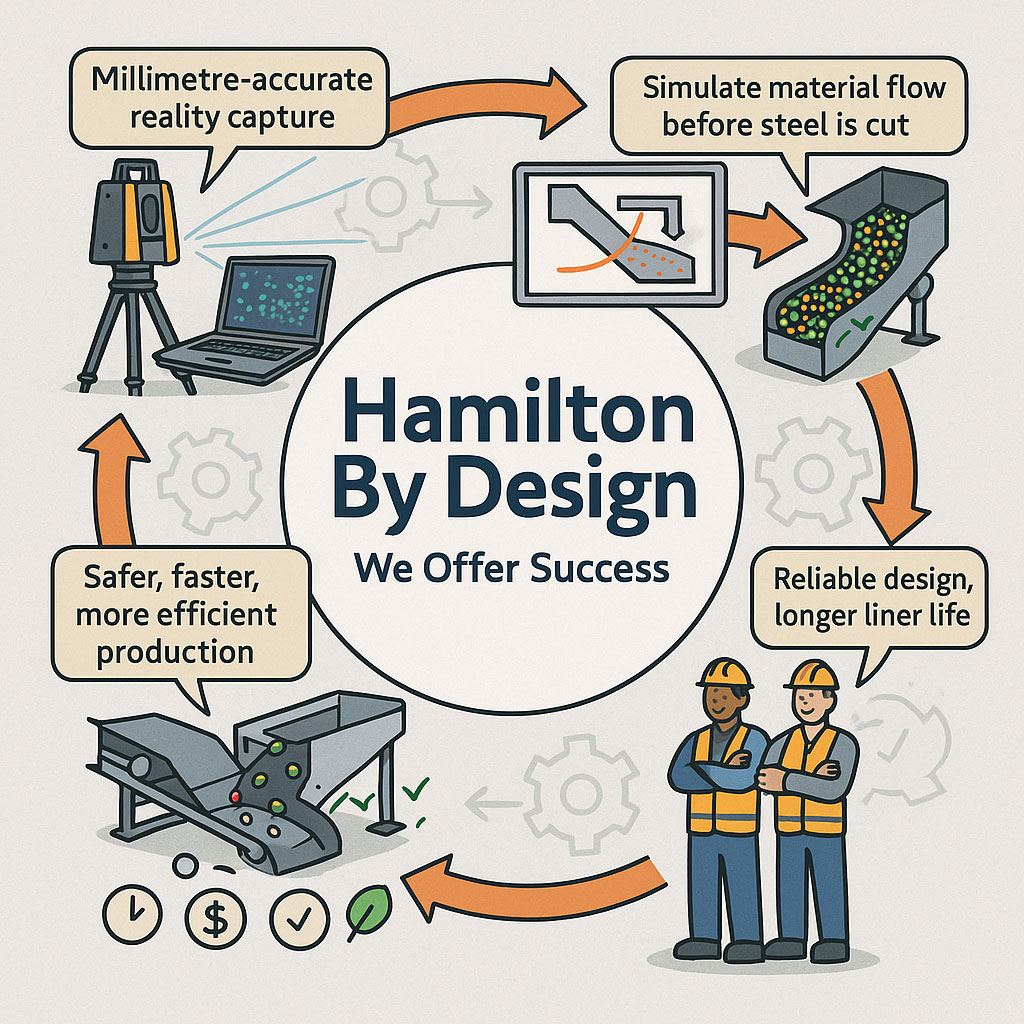
At Hamilton By Design, we often start projects using high-resolution LIDAR scans, capturing real-world conditions with millimetre precision. The 3DEXPERIENCE platform allows seamless integration of point cloud data, enabling our team to design directly within real-world geometry โ€” reducing fitment issues and rework.

This integration ensures we donโ€™t just create models โ€” we create smart, context-aware models that interact meaningfully with the physical world.

Scalability and Security

As a cloud-based system, the 3DEXPERIENCE platform is scalable and secure. Whether weโ€™re working on a small component upgrade or a large-scale plant overhaul, we can expand our toolset, users, and data storage with ease โ€” all while maintaining enterprise-level data protection.

Conclusion

The 3DEXPERIENCE platform empowers Hamilton By Design to deliver faster, smarter, and more integrated engineering solutions. For clients in the heavy industrial space, it means fewer risks, better collaboration, and a clear digital path from concept to completion.

Want to know how the 3DEXPERIENCE platform can help your next project?
Get in touch today at sales@hmailtonbydesign.com.au

Engineering Consultants | Mechanical Drafting | Structural Drafting | 3-D Scanning | 3-D Modelling

www.hamiltonbydesign.com.au

Scan to CAD Sydney

3D LiDAR Laser Scanning & Drafting Services in Chatswood & Greater Sydney

Mechanical Engineers in Sydney โ€“ Hamilton By Design

SolidWorks โ€“ Sydney

Our Clients:
Name
Would you like us to arrange a phone consultation for you?
Address