3D LiDAR Scanning with Engineering Governance: Securing Your Asset Data for the Long Term

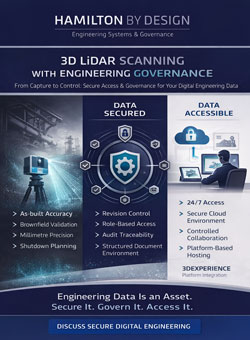
Industrial LiDAR scanning and digital engineering governance model demonstrating secure data capture, revision control and secure platform access.

3D LiDAR Scanning & Engineering Data Governance

3D LiDAR scanning has become a powerful tool in modern mechanical and industrial engineering.

It captures reality with millimetre precision.
It reduces site rework.
It improves brownfield design confidence.
It shortens shutdown risk.

But capturing data is only half the solution.

Without structured engineering governance, even the most accurate point cloud becomes just another unmanaged file sitting on a server.

At Hamilton By Design, we combine 3D LiDAR scanning with controlled digital environments — ensuring your engineering data is not only captured, but secured, governed, and accessible when you need it.


The Risk: Uncontrolled Engineering Data

Across mining, manufacturing and heavy industry, we regularly see:

  • Point cloud files stored on local drives
  • Multiple uncontrolled drawing revisions
  • Contractors working from outdated geometry
  • Large scan files shared via unsecured links
  • No defined ownership of digital assets

When governance is absent, data degrades.

And when data degrades, engineering risk increases.


3D LiDAR Scanning Is the Starting Point — Not the End

LiDAR scanning provides:

  • Accurate as-built geometry
  • Clash detection confidence
  • Brownfield validation
  • Structural and mechanical verification
  • Shutdown planning support

However, once the scan is complete, organisations must answer critical questions:

  • Who controls revision access?
  • Where is the master file stored?
  • How are updates managed after upgrades?
  • Who can access the model — and when?
  • Is the data audit ready?

This is where engineering governance becomes essential.
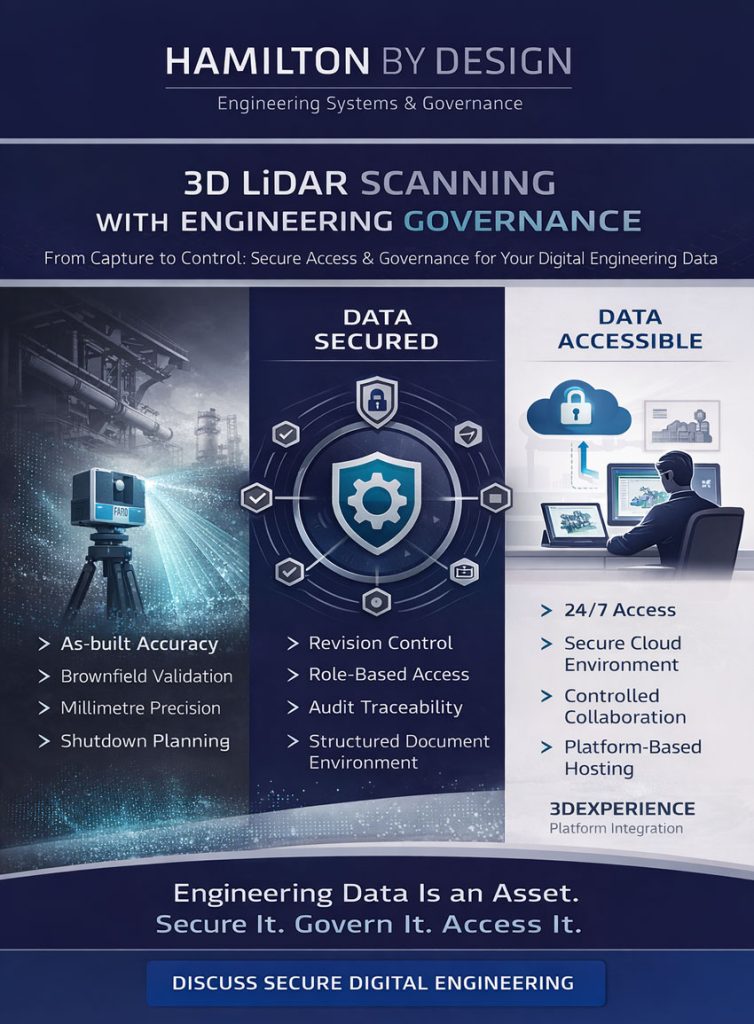

Secure digital engineering workflow showing 3D point cloud capture, governance control and cloud-based 24-hour access.

Engineering Governance: Protecting Your Digital Assets

Engineering governance ensures:

  • Controlled document environments
  • Structured revision management
  • Defined user access permissions
  • Audit traceability
  • Secure cloud storage
  • Long-term digital asset stewardship

Without governance, digital engineering becomes fragmented.

With governance, it becomes a single source of truth.


Secured Access Through the 3DEXPERIENCE Platform

Hamilton By Design has partnered to support secure data environments through the 3DEXPERIENCE platform.

This allows clients to:

  • Access their 3D models 24 hours per day
  • Review point cloud data securely online
  • Manage drawing revisions in a controlled environment
  • Collaborate with contractors under structured permissions
  • Maintain engineering continuity across upgrades

Your data is not sent around via uncontrolled downloads.

It is hosted, governed, and managed within a structured platform environment.


Why 24/7 Access Matters

Industrial facilities do not operate between 9am and 5pm.

Shutdowns occur overnight.
Maintenance decisions happen urgently.
Capital approvals move quickly.

Having secure, controlled access to your digital engineering data — at any time — provides:

  • Faster decision-making
  • Reduced shutdown risk
  • Improved contractor coordination
  • Greater executive confidence

Engineering data becomes operational infrastructure.


Integrating LiDAR, Governance and Asset Integrity

When 3D LiDAR scanning is combined with structured governance and platform security, organisations gain:

  • A verified as-built model
  • Controlled revision history
  • Secure cloud-based storage
  • Role-based access control
  • Ongoing update capability following upgrades

This is particularly critical in:

  • Brownfield facilities
  • Mining operations
  • Manufacturing plants
  • Utilities infrastructure
  • Long-life industrial assets

Your scan data becomes a living engineering asset — not a static deliverable.


From Capture to Control

At Hamilton By Design, we do not simply provide 3D scanning services.

We provide:

  • Site capture
  • Data processing
  • Model integration
  • Engineering governance
  • Secure platform hosting
  • Ongoing digital stewardship

The objective is simple:

To ensure your engineering data remains accurate, controlled, and accessible for the life of your asset.
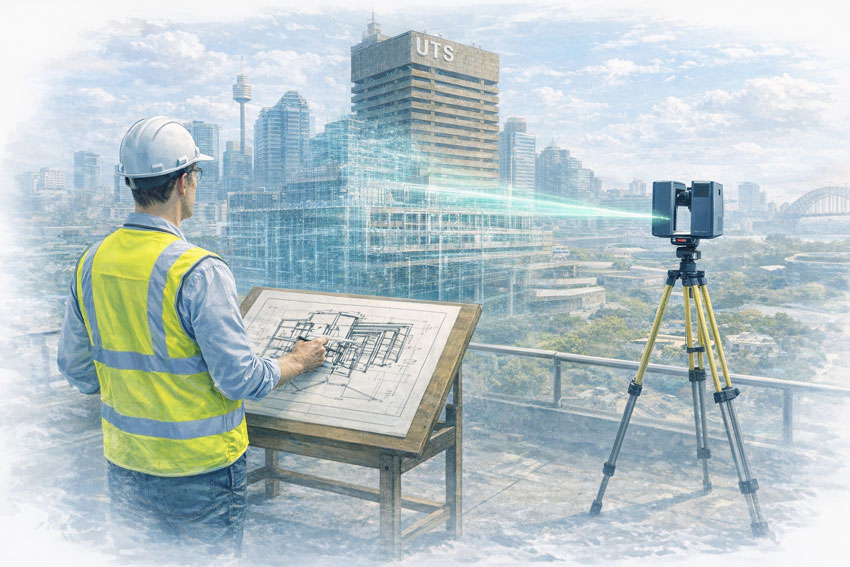

3D laser scanning in Sydney with an engineer capturing as-built conditions using LiDAR technology.

Engineering Data Is Corporate Risk

Unsecured or unmanaged engineering data creates exposure:

  • Design errors
  • Compliance failures
  • Shutdown overruns
  • Contractor disputes
  • Loss of institutional knowledge

Structured governance reduces this exposure.

When supported by secure platform access, your engineering records become resilient.


A Single Source of Truth — Available Anytime

Through the integration of 3D LiDAR scanning and the 3DEXPERIENCE platform, Hamilton By Design enables:

  • 24/7 secure access
  • Controlled collaboration
  • Audit-ready documentation
  • Brownfield upgrade support
  • Digital continuity

Engineering is not just about building systems.

It is about protecting them — physically and digitally.


Hamilton By Design logo displayed on a blue tilted rectangle with a grey gradient background

Hamilton By Design
3D LiDAR Scanning | Engineering Governance | Secure Digital Platforms

If your organisation is investing in digital capture, ensure your data is governed, protected and available whenever you need it.
Name
Would you like us to arrange a phone consultation for you?
Address

Secondment for Mechanical Engineers: Strength Without Long-Term Overhead

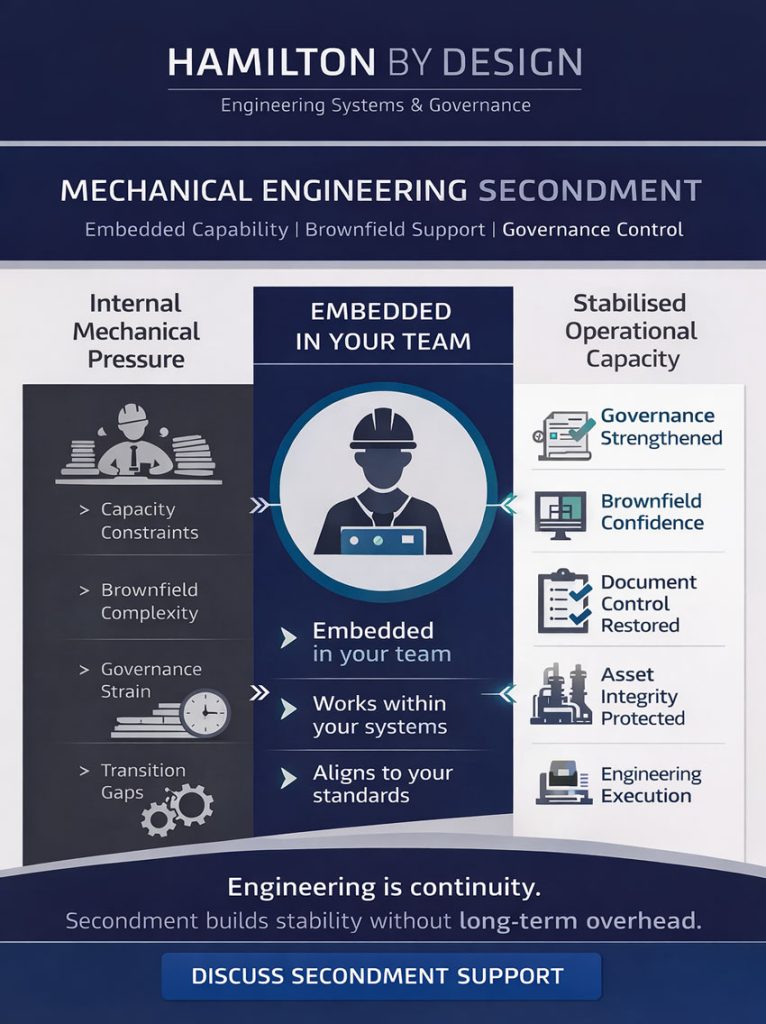
Mechanical engineering secondment infographic showing embedded engineer support, brownfield governance control and operational stability in industrial environments.

Engineering Secondment for Mechanical Teams

Mechanical engineering teams today operate under sustained pressure.

  • Shutdown windows are tighter
  • Brownfield modifications are constant
  • Documentation is often incomplete
  • Internal engineering resources are stretched
  • Capital approval cycles are slow

In this environment, hiring permanent staff is not always the right answer.

A structured engineering secondment provides capability, continuity, and control — without increasing long-term overhead.

At Hamilton By Design, secondment is not labour hire.
It is embedded technical capability.


What Is Engineering Secondment?

Engineering secondment is the temporary placement of an experienced engineering professional into your organisation to operate as part of your internal team.

Unlike traditional consulting:

  • The engineer works within your systems
  • Aligns with your standards
  • Supports your projects directly
  • Reports within your governance structure

The objective is not to deliver a report and leave.

It is to strengthen your mechanical function during periods of load, transition, or change.


Industrial engineering secondment visual showing internal mechanical pressure, embedded team integration and strengthened governance outcomes.

When Mechanical Teams Benefit Most

Secondment is particularly effective when:

  • A senior engineer has resigned or is on leave
  • A capital upgrade program has accelerated
  • Shutdown preparation requires additional oversight
  • Brownfield redesign is underway
  • Drawing governance needs to be stabilised
  • A 3D scanning and digital validation program is commencing

Instead of recruiting under pressure, secondment provides immediate capability.


1️⃣ Stability During Engineering Transitions

Mechanical departments often rely heavily on a small number of experienced engineers.

When one leaves, knowledge gaps appear:

  • Historical plant decisions
  • Modification records
  • Informal workarounds
  • Vendor relationships

A seconded engineer with brownfield experience can:

  • Maintain continuity
  • Support decision-making
  • Preserve governance
  • Prevent reactive engineering

This reduces operational risk during transition periods.


2️⃣ Controlled Support During Brownfield Upgrades

Brownfield engineering is rarely straightforward.

Existing conditions rarely match legacy drawings.
Interfaces are complex.
Shutdown timeframes are unforgiving.

A seconded engineer can:

  • Review site conditions alongside your team
  • Validate geometry through 3D scanning integration
  • Support constructability reviews
  • Manage drawing revisions and change control

This is especially valuable when your permanent team is already operating at full capacity.


3️⃣ Strengthening Governance Without Growing Headcount

Many mechanical teams struggle with:

  • Drawing revision control
  • Asset record updates
  • Contractor data management
  • Change management tracking
  • Audit readiness

These responsibilities are critical — but often under-resourced.

Secondment allows you to:

  • Embed structured engineering oversight
  • Improve documentation discipline
  • Align digital records with physical assets
  • Stabilise internal processes

All without committing to permanent salary overhead.


4️⃣ Integration With Digital Validation & 3D Capture

Hamilton By Design integrates secondment with:

  • 3D Faro scanning capability
  • Digital model validation
  • Controlled data environments
  • Brownfield geometry verification

A seconded engineer who understands both mechanical systems and digital validation ensures that:

  • Design intent matches site conditions
  • Documentation remains current
  • Future modifications start from verified data

This creates long-term engineering value beyond the immediate assignment.


Secondment vs Consulting vs Labour Hire

ModelOutcomeLimitation
ConsultingAdvice & deliverablesLimited internal integration
Labour HireShort-term manpowerLimited governance structure
SecondmentEmbedded engineering capabilityRequires structured scope

Secondment sits between permanent recruitment and external consultancy — providing practical integration with strategic oversight.


The Hamilton By Design Approach

Our secondment model focuses on:

  • Mechanical systems understanding
  • Brownfield engineering discipline
  • Governance and drawing control
  • Shutdown planning support
  • Digital validation integration
  • Asset stewardship

We operate as an extension of your mechanical team — not as an external observer.


Engineering Is Capacity + Control

Mechanical engineering is not only about solving problems.

It is about maintaining system integrity over time.

Secondment provides:

  • Capacity when workload spikes
  • Control when governance weakens
  • Continuity during transition
  • Confidence before capital decisions

For mechanical engineering managers, it is often the most balanced solution between growth and risk.

Hamilton By Design logo displayed on a blue tilted rectangle with a grey gradient background


Hamilton By Design
Supporting mechanical engineers across Australia through structured secondment, digital validation, and engineering governance.


Name
Would you like us to arrange a phone consultation for you?
Address

Most Engineering Problems Aren’t Design Problems

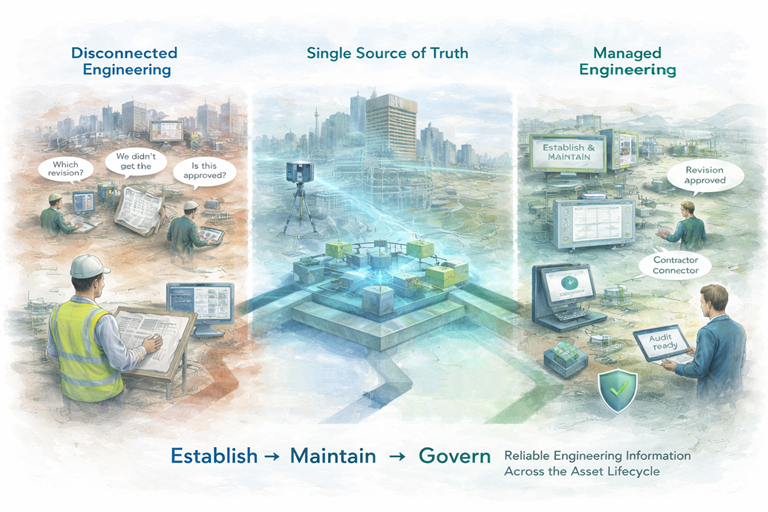
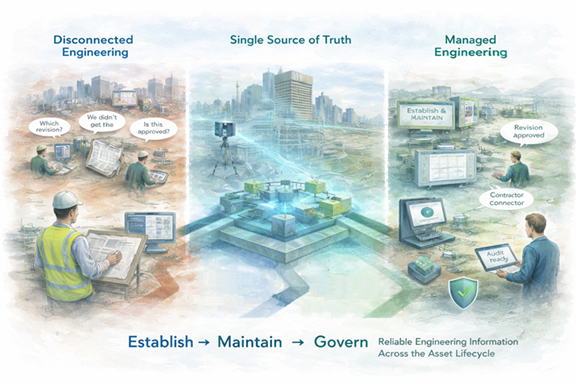
Infographic showing engineering workflow evolving from disconnected drawings to governed digital asset management.

Establish Maintain Govern Engineering Data | Hamilton By Design

They’re information problems.

Projects rarely fail because a drawing couldn’t be produced —
they fail because nobody knows:

  • Which revision is correct
  • Who approved the change
  • What the contractor built from
  • Whether operations updated the records

The real cost isn’t modelling…
it’s uncertainty.

Hamilton By Design helps organisations move from scattered documents to a controlled engineering environment built around three principles:

Establish → Maintain → Govern

Powered by the 3DEXPERIENCE platform, your data becomes a managed system rather than a collection of files.


Establish maintain govern engineering lifecycle diagram using a digital single source of truth.

1 — Establish

Create a trusted digital foundation

Before control can exist, a reliable starting point must exist.

We capture and structure your real-world assets into a verified digital baseline:

  • 3D laser scanning of facilities and equipment
  • Creation of accurate as-existing models
  • Consolidation of drawings and documents
  • Standardised naming and classification
  • Centralised project environment

At this stage you are not “implementing software” —
you are creating a single source of engineering truth.

Outcome: Everyone works from the same reality.


2 — Maintain

Keep information alive instead of outdated

Most systems fail because they are updated once… and never again.

We implement workflows so engineering data stays current during daily operations:

  • Controlled revisions
  • Check-in / check-out workflows
  • Contractor access to current information
  • Automatic version history
  • Re-scan validation after upgrades
  • Live visualisation of plant changes

Your models and drawings become operational tools, not archived deliverables.

Outcome: The information reflects the site — not the past.


3D laser scanning in Sydney with an engineer capturing as-built conditions using LiDAR technology.

3 — Govern

Know who changed what and why

Governance is not bureaucracy —
it is risk reduction.

We configure approval and responsibility structures inside the platform:

  • Design approval workflows
  • Change management records
  • Digital sign-off tracking
  • Audit history
  • Project permissions by role
  • Engineering accountability

Now decisions are traceable and defensible.

Outcome: Confidence in decisions, compliance in audits.


What the 3DEXPERIENCE Platform Enables

Instead of sending drawings between departments, the platform connects them.

DisciplineWhat Changes
EngineeringWorks in controlled revisions
ProjectsTracks approvals & responsibilities
OperationsAccesses latest information
ContractorsUses current data only
ManagementGains visibility and auditability

You are no longer managing files — you are managing engineering intent.


The Result — Simplicity

When Establish, Maintain and Govern are in place:

  • No duplicate drawings
  • No guessing revisions
  • No uncontrolled contractor changes
  • No lost project knowledge
  • No rebuild of data every shutdown

Just a clear, continuous engineering lifecycle.


How Hamilton By Design Helps

We don’t install a platform and leave.

We operate between engineering, construction and operations to:

  • Capture reality (3D scanning)
  • Structure engineering data
  • Configure workflows
  • Train teams
  • Support ongoing use

Our goal is simple:

Make engineering information reliable enough to operate from — not just design from.


Hamilton By Design logo displayed on a blue tilted rectangle with a grey gradient background

Simplify Your Process

If your organisation is constantly re-creating drawings, questioning revisions or losing project history — you don’t have a people problem.

You have a system gap.

Hamilton By Design implements a controlled engineering environment using the 3DEXPERIENCE platform so your business can:

Establish reality → Maintain accuracy → Govern change


Contact Hamilton By Design to simplify your engineering process.

Name
Would you like us to arrange a phone consultation for you?
Address

The Hidden Problem in Most Workshops

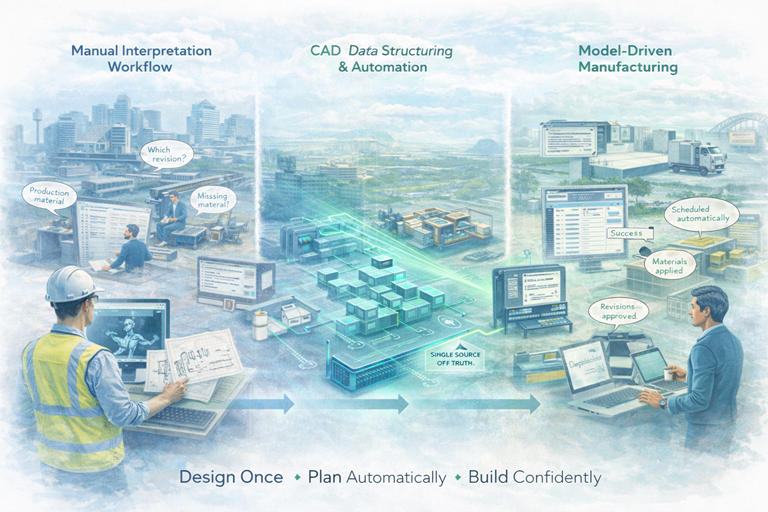
Illustration showing CAD models automatically generating manufacturing orders in a digital factory workflow.

Many manufacturers invest heavily in CAD modelling, yet the moment a drawing is finished someone still has to manually re-enter the same information into purchasing, inventory, or scheduling systems.

That means:

  • Part numbers typed again
  • Quantities re-counted
  • Materials guessed or re-checked
  • Work orders manually created

Every manual step introduces delay and risk.
The drawing may be correct — but the data isn’t trusted.

At Hamilton By Design, we specialise in converting engineering design information into operational manufacturing data so your workshop runs from a single source of truth.


Engineering workflow transforming design drawings into live MRP production data.

What We Mean by “Raw CAD Data”

Raw CAD data typically contains far more intelligence than most businesses actually use:

  • Assembly structures
  • Component relationships
  • Material specifications
  • Mass & geometry
  • Fasteners & hardware
  • Configuration variations

Yet in many businesses, this intelligence is flattened into a PDF before production ever sees it.

The result?
Your ERP/MRP system becomes an administrative burden rather than an automation tool.


Turning CAD into Live MRP

We implement a workflow where the model drives the factory — not paperwork.

Step 1 — Data Structuring

We prepare your CAD models so every component carries meaningful manufacturing information:

  • Standardised naming conventions
  • Manufacturing classifications
  • Purchasing categories
  • Stock vs made items

Step 2 — Bill of Materials Extraction

Instead of manually writing BOMs, they are generated directly from the model.

No re-typing.
No missed fasteners.
No version confusion.

Step 3 — Live MRP Integration

The structured data feeds directly into your MRP system to automatically create:

  • Work orders
  • Material requirements
  • Purchase orders
  • Scheduling demand
  • Inventory reservations

Now your planning team works with live engineering data — not interpreted drawings.


What This Changes Inside Your Business

Once CAD and MRP talk to each other, the workflow shifts dramatically.

Traditional WorkflowIntegrated Workflow
Draw → Print → Interpret → Re-enterModel → Validate → Manufacture
Planner guesses requirementsSystem calculates requirements
Revisions cause chaosRevisions update automatically
Production waits on adminProduction follows live data

The Real Value — Engineering Becomes Operational

Your CAD system stops being a documentation tool and becomes the control system of the workshop.

This delivers measurable outcomes:

  • Reduced purchasing mistakes
  • Faster quoting
  • Accurate scheduling
  • Live material forecasting
  • Reliable cost tracking
  • Scalable production

Most importantly — your team stops double handling information.


How Hamilton By Design Helps

We don’t sell software — we implement workflows.

Our team works between engineering and operations to:

  • Audit your current drawing workflow
  • Structure your CAD standards
  • Build automated BOM generation
  • Integrate with your MRP platform
  • Train staff in daily use
  • Support ongoing improvements

The goal is simple:
Design once. Manufacture confidently.


Hamilton By Design logo displayed on a blue tilted rectangle with a grey gradient background

Ready to Turn Drawings into Production?

If your workshop is still manually converting drawings into orders, the problem isn’t your people — it’s the data flow.

Hamilton By Design helps manufacturers move from documents to systems.

Contact us to discuss turning your raw CAD data into live MRP data.

Name
Would you like us to arrange a phone consultation for you?
Address

Why Projects Fail Before Construction Starts

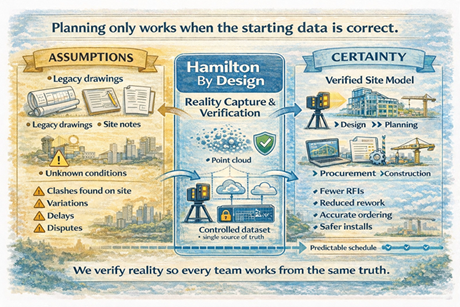
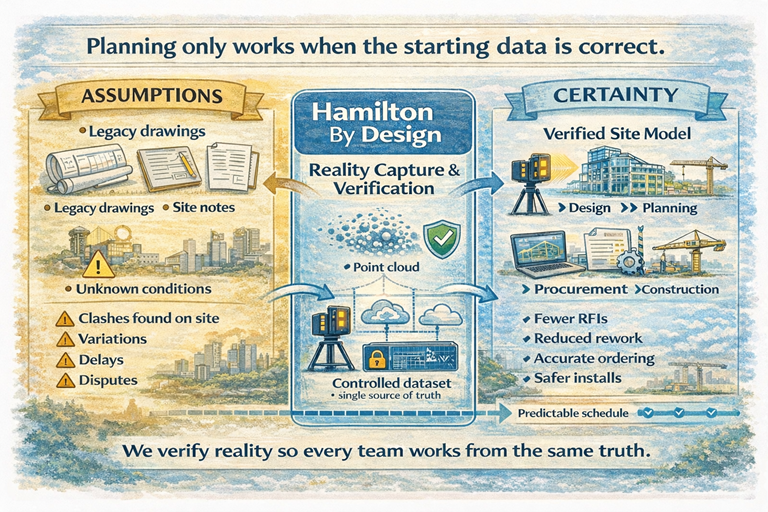
3D scanning reality capture workflow converting legacy drawings into a verified site model for construction planning.

The missing step between site reality and project planning

Most project delays don’t begin during construction.

They begin months earlier — at the planning stage.

Not because engineers lack skill.
Not because contractors lack experience.

But because decisions are made using incomplete or assumed information.


Construction planning comparison between assumed data and verified point-cloud model using laser scanning.

The hidden gap in almost every project

In industrial and brownfield environments, teams typically work from:

  • legacy drawings
  • outdated models
  • partial surveys
  • contractor interpretation
  • verbal site knowledge

Each group fills in the missing details differently.

The result is predictable:

  • clashes discovered during installation
  • materials ordered incorrectly
  • redesign during construction
  • variations and disputes
  • safety risks

The project didn’t fail during construction.
It failed when planning began without verified reality.


Planning systems only work if the starting data is correct

Modern project environments rely heavily on structured planning:

  • scheduling
  • procurement
  • prefabrication
  • shutdown coordination
  • multi-contractor installation

But structured planning requires structured information.

If the starting information is uncertain, the entire workflow becomes an organised way of distributing errors.


The role of a reality-based dataset

Before a project can be planned properly, one thing must exist:

A trusted digital representation of the physical asset

This is not a drawing.
This is not a sketch.
This is not a collection of markups.

It is a measurable, verifiable record of what physically exists.

Once this exists:

  • engineers design accurately
  • planners sequence correctly
  • contractors install confidently
  • procurement orders correctly
  • changes are controlled

What our consultancy provides

Hamilton By Design acts as the bridge between site conditions and project planning.

We provide a structured workflow:

  1. Capture the physical environment using high-accuracy laser scanning
  2. Create a controlled digital model of the asset
  3. Make the data accessible to all project stakeholders
  4. Lock the dataset during design and upgrade phases
  5. Update the dataset following modifications

This creates a single project reference — removing interpretation between disciplines.


The outcome for projects

Instead of discovering problems during installation, they are resolved during planning.

Instead of managing variations, teams manage decisions.

Instead of reacting to site conditions, teams design around verified reality.


The value of independent verification

Our role is not to design the system or build the works.

Our role is to ensure every party begins with the same trusted information.

When reality is agreed, coordination becomes straightforward.


Before planning, establish certainty

Projects do not fail because teams are incapable.
They fail because teams start from different assumptions.

Providing a verified digital record of the site removes those assumptions.

And once assumptions disappear — so do most surprises.


Hamilton By Design
Creating trusted project reality before planning begins.

Name
Would you like us to arrange a phone consultation for you?
Address


Builder Next Door Starting Piling?

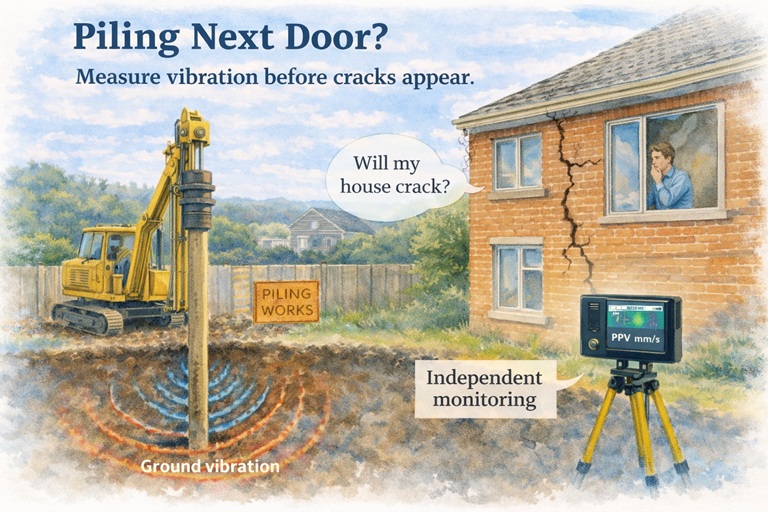
Construction piling next door causing ground vibration towards a residential house with monitoring equipment installed.

Read This Before Cracks Appear

Construction in Australia is getting closer to existing homes than ever before. Subdivisions, duplex developments, basement garages and boundary wall construction now routinely occur only metres from established houses.

One of the most misunderstood risks during nearby construction is ground vibration — particularly from piling, sheet piling, rock breaking and compaction equipment.

Most homeowners only notice the issue once cracks appear.

By that point, proving the cause becomes significantly harder.


House at risk of cracks from nearby piling works with independent vibration monitoring device measuring movement.

What Is Actually Happening During Piling?

When a neighbouring builder installs piles, the ground does not simply “shake” — it transmits energy waves through the soil.
These waves travel through the foundation system of your home and can interact with the structure in very specific ways.

Depending on soil type and building construction, vibration can:

  • Amplify inside brick veneer cavities
  • Transfer through footings into slab edges
  • Excite steel lintels above windows
  • Cause differential movement between materials
  • Open previously dormant shrinkage cracks
  • Break brittle materials like grout and plasterboard joints

Many owners describe it as feeling like a truck hitting the house repeatedly — and structurally, that is not far from reality.


The Critical Problem — Evidence

Here is the reality:

If you do not measure vibration before damage occurs, proving responsibility later becomes extremely difficult.

Once construction finishes:

  • The vibration source is gone
  • Monitoring cannot be retroactively installed
  • Engineers must rely on assumptions
  • Insurance claims are often rejected
  • Builders argue pre-existing damage

This is why most vibration disputes fail — not because damage didn’t happen, but because it wasn’t recorded at the time.


Why Cracks Appear Days or Weeks Later

Damage does not always occur instantly.

Vibration commonly causes:

  • Micro-movement in mortar joints
  • Loosening of interfaces between materials
  • Progressive settlement in reactive soils

Then later:

  • A hot day
  • Rain event
  • Door closing
  • Minor thermal expansion

…and the crack becomes visible.

The construction activity triggered the mechanism — but the visible damage appears later.

Without monitoring, causation becomes nearly impossible to demonstrate.


Australian Standards — The Legal Threshold

Australian and international building damage criteria are based on Peak Particle Velocity (PPV), not how strong vibration feels.

Typical residential guidance limits:

FrequencyCosmetic Damage Threshold
< 10 Hz~5 mm/s
10–50 Hz5–15 mm/s
> 50 Hzup to 20 mm/s

Important:

Human perception is NOT a reliable indicator of structural damage risk.

Some damaging vibrations feel mild.
Some strong sensations cause no damage.

Only instrumentation determines the difference.


What You Should Do — Before Work Starts

If you have received a notice of:

  • Piling
  • Rock breaking
  • Basement excavation
  • Sheet piling
  • Compaction works
  • Demolition close to boundary

You should arrange:

1. Pre-Construction Condition Survey

Photographic and measured documentation of existing condition.

2. Vibration Monitoring Installation

Sensors installed before the first machine arrives.

3. Continuous Logging During Construction

Provides legal evidence if thresholds are exceeded.


Why Timing Matters

The most valuable data occurs during the first day of piling.

After that:

  • Cracks may already initiate
  • You have no baseline
  • Arguments become opinion-based

Early measurement protects everyone — homeowner and builder alike.


Who Is Responsible?

In Australia, responsibility is generally determined by measurable physical impact, not perception.

Courts consistently require:

  • Recorded vibration data
  • Engineering interpretation
  • Demonstrated building response

Without measurement, claims rely on visual opinion — which rarely succeeds.


Peace of Mind Is the Real Outcome

Many monitored projects show vibration stays within acceptable limits.
In those cases, owners gain certainty their home is safe.

Monitoring is not about creating conflict — it is about removing uncertainty.


We Travel Australia-Wide

Hamilton By Design provides independent vibration recording across Australia, including regional and remote locations.

We install monitoring equipment prior to construction and provide documented records suitable for engineering or legal use if required.


If Construction Is About To Start Next Door

Do not wait for cracks.

Once visible damage appears, the opportunity to capture critical evidence has often already passed.


👉 Arrange vibration monitoring before works commence:
https://www.hamiltonbydesign.com.au/construction-vibration-monitoring-home-australia/


Final Thought

You insure your house against fire and storm — events that may never happen.

Nearby construction is different.
It will happen, and it will introduce measurable forces into your home.

The question is not whether vibration occurs.

The question is whether it will be recorded.


Hamilton By Design
Engineering Measurement & 3D Spatial Documentation
Australia Wide

Name
Would you like us to arrange a phone consultation for you?
Address