Engineering Preparation for Coal Plant Shutdowns

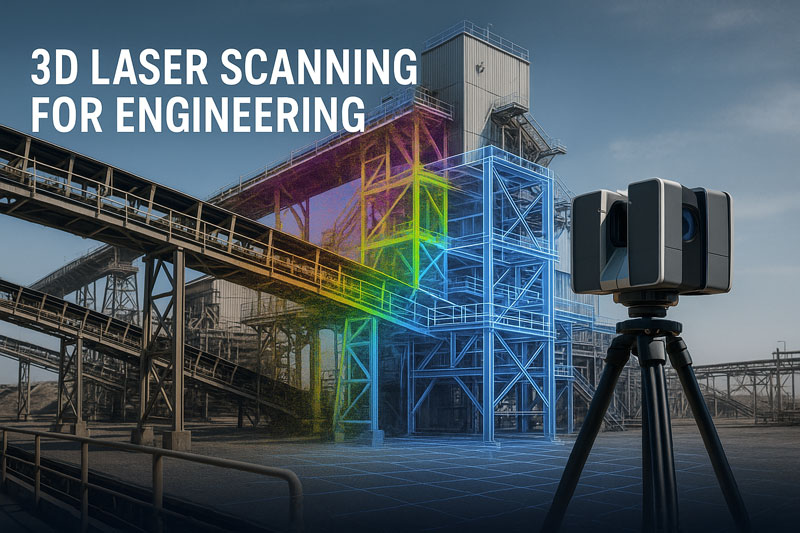
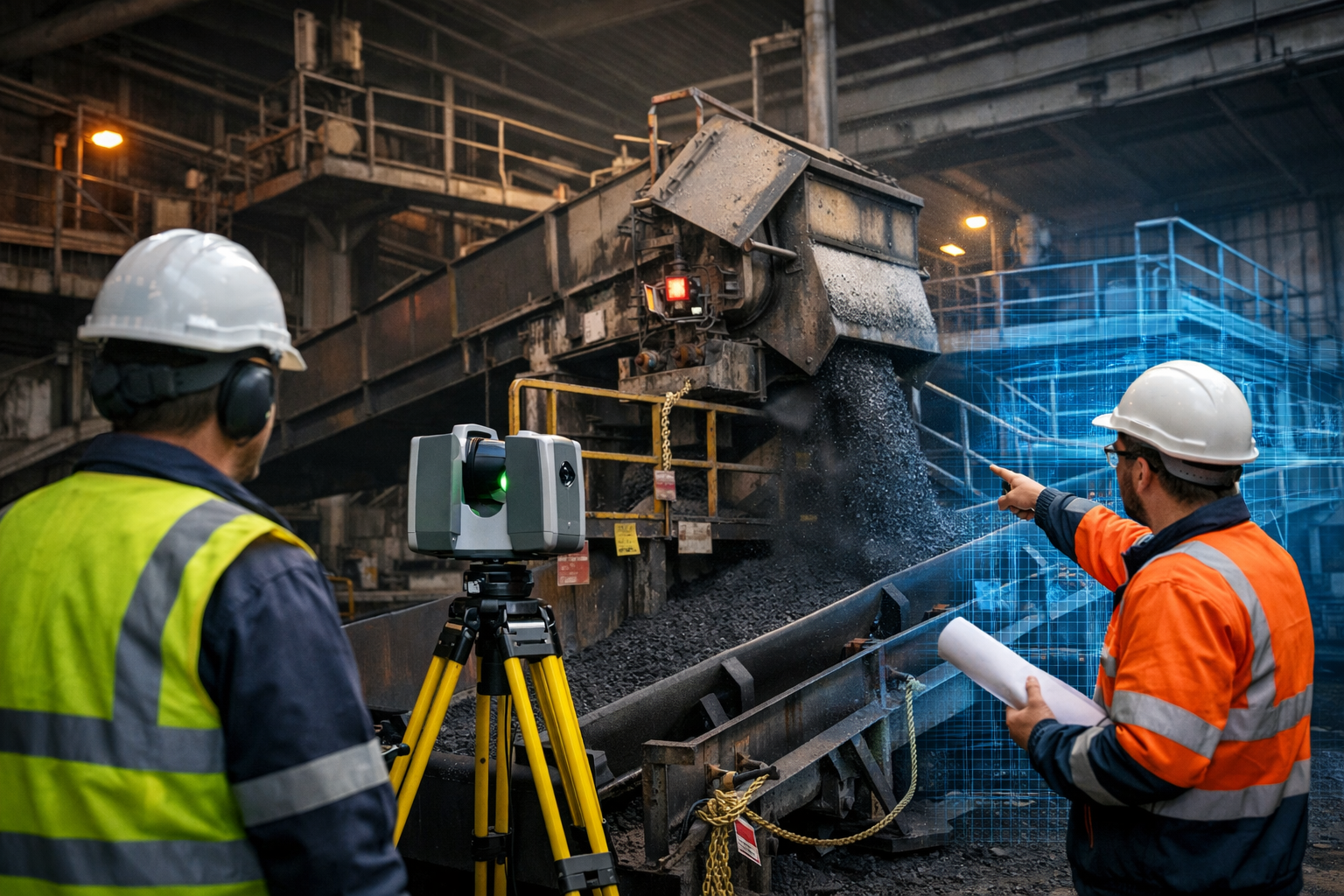
Coal plant shutdown engineering using a 3D laser scanner to capture conveyor and transfer chute infrastructure.

Coal Plant Shutdown Engineering | Preparation for Mining & Industrial Shutdowns

Planned shutdowns are a critical part of maintaining reliability in coal handling plants, port infrastructure, and large industrial facilities. During these scheduled outages, engineers must inspect, upgrade, or replace equipment across complex mechanical systems including conveyors, transfer chutes, crushers, and structural infrastructure.

Effective coal plant shutdown engineering focuses on preparation before the shutdown begins. Accurate plant data, detailed engineering models, and well-planned maintenance activities allow shutdown teams to complete work safely and within tight time windows.

Shutdown planning is essential because many maintenance activities must be performed while equipment is offline, often under strict time constraints with multiple trades working simultaneously. Without careful planning, shutdowns can quickly become unsafe, inefficient, or costly.


Why Engineering Preparation Matters

Coal processing plants operate continuously for long periods. Over time equipment is modified, upgraded, or repaired during multiple shutdown cycles. As a result, the original plant drawings often no longer represent the true layout of the facility.

Before a shutdown begins, engineering teams must confirm:

  • Existing conveyor alignments
  • Transfer chute geometry
  • Structural steel clearances
  • Access platforms and walkways
  • Equipment interfaces and installation areas

Modern engineering teams increasingly rely on laser scanning and digital modelling to capture the exact geometry of existing infrastructure. This produces a high-resolution point cloud of the plant that can be used to develop accurate engineering models before modifications begin.

These models allow engineers to validate equipment installations and reduce risk during the shutdown window.


The Role of Engineering Scanning Services

Engineering scanning services are now widely used across mining and industrial sectors to support shutdown planning.

Laser scanning technology can capture millions of measurement points across a facility, creating a detailed digital model of conveyors, chutes, structural steel and equipment installations.

Typical shutdown engineering scanning applications include:

  • Coal handling plant conveyors and transfer stations
  • Ship loader infrastructure at export terminals
  • Port stockpile systems and stacker reclaimers
  • Manufacturing production lines
  • Industrial processing plants

These digital datasets can then be converted into engineering-grade CAD models, enabling detailed design work to be completed before the shutdown occurs.

This approach significantly reduces installation risk and allows fabrication work to begin before the plant outage.

For a deeper explanation of shutdown preparation workflows see:


Coal Handling Plant Infrastructure Challenges

Coal plants contain some of the most complex materials handling systems in heavy industry. Conveyors move thousands of tonnes of material per hour through crushers, screens, transfer chutes, and stockpiles.

Common shutdown engineering tasks include:

  • Transfer chute redesign
  • Conveyor upgrades
  • Structural steel modifications
  • Dust control improvements
  • Maintenance access upgrades

These areas are typically congested with equipment and structural supports. Engineering teams must therefore confirm clearances and installation access before shutdown work begins.

Laser scanning and digital modelling allow engineers to identify clashes and installation constraints early in the design phase.

Learn more about mechanical engineering support for these systems:


Transfer Chute Design During Shutdowns

Transfer chutes are often a major focus of shutdown engineering work. Poorly designed chutes can cause:

  • Conveyor belt wear
  • Blockages and carryback
  • Excessive dust generation
  • Reduced throughput

Because chutes are located at conveyor transfer points, modifications must often be installed during shutdown windows when conveyors are offline.

Engineering models developed from site scans allow designers to develop improved chute geometries that optimise material flow and reduce maintenance issues.

Further design guidance can be found here:
https://www.hamiltonbydesign.com.au/coal-chute-design/

You may also find additional engineering insights in this technical article:
https://chutesandtransferstations.blogspot.com/2025/07/designing-for-durability-chutes.html


Shutdown Engineering Across Industrial Facilities

Although coal handling plants are a major focus, the same engineering preparation methods apply across many industries.

Shutdown engineering scanning is increasingly used in:

  • Mining processing plants
  • Bulk material handling facilities
  • Manufacturing plants
  • Power stations
  • Port infrastructure
  • Industrial processing facilities

By developing accurate digital models before shutdowns occur, engineering teams can plan work packages, confirm installation sequences, and minimise delays during the outage period.

Proper shutdown planning improves safety, reduces downtime, and helps ensure maintenance projects are completed efficiently.


The Future of Shutdown Engineering

As mining and industrial infrastructure becomes more complex, shutdown preparation is increasingly relying on digital engineering workflows.

Technologies such as:

  • 3D laser scanning
  • point cloud modelling
  • digital twins
  • engineering simulation

are transforming the way shutdowns are planned and executed.

For operators of coal plants, ports, and manufacturing facilities, investing in accurate engineering data before a shutdown begins is one of the most effective ways to reduce project risk and improve plant reliability.


Hamilton By Design logo displayed on a blue tilted rectangle with a grey gradient background

3D LiDAR scanning and 3D modelling service button โ€” laser scanner capturing a point cloud for engineering and CAD modelling
Mechanical engineering services
Name
Would you like us to arrange a phone consultation for you?
Address
CHPP Engineering title graphic featuring bold white text reading "CHPP Engineering" centred on a blue rounded rectangle background.
Pipework Drafting title graphic featuring bold white text reading "Pipework Drafting" centred on a blue rounded rectangle background.
3D LiDAR Scanning for Engineering Projects title graphic featuring bold white text on a blue rounded rectangle background.

3D CAD Modelling Australia service banner for Hamilton By Design

Supporting Australian Coal โ€“ Engineering-Led 3D Scanning for CHPP & Coal Wash Plants

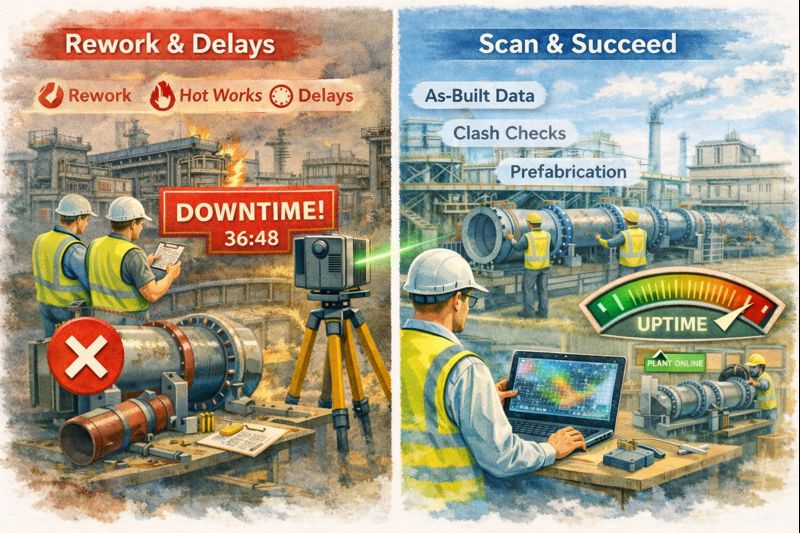
CHPP wash plant illustration comparing shutdown rework with LiDAR scanning and prefabrication success.

3D Scanning Services for CHPP โ€“ Reduce Rework, Maximise Uptime

Australian coal operations depend on reliable Coal Handling & Preparation Plants (CHPP), wash facilities, conveyors and mechanical systems. Every shutdown, upgrade and modification must be delivered quickly and safely to protect production. The most effective way to achieve this is through engineering-led 3D scanning services that capture real site conditions before a single component is fabricated.

Hamilton By Design specialises in FARO LiDAR and structured-light 3D scanning for the coal sector, turning complex brownfield sites into accurate digital models that drive practical engineering outcomes. Our focus is simple: maximise plant uptime by reducing rework.


Why Shutdowns Need Better Information

Coal wash plants are dynamic environments. Over decades of modifications:

  • drawings no longer match reality
  • structures move under load
  • pipe routes are altered
  • access becomes restricted

Relying on tape measures and sketches during a shutdown invites risk. A bracket that is 20 mm wrong or a spool that fouls an existing service can cost days of lost production. Accurate 3D scanning before the outage removes those unknowns.


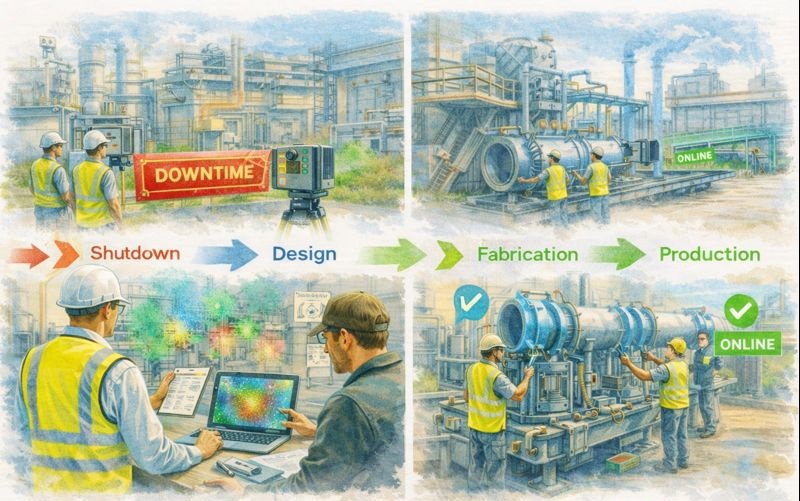
Coal wash plant shutdown workflow from delays to scan-led success using LiDAR.

Hamilton By Design 3D Scanning Services

Our scanning services are built specifically for industrial and mining applications:

FARO LiDAR As-Built Capture

  • full plant and conveyor surveys
  • transfer stations, bins and pump boxes
  • structural steel and foundations
  • tie-in points for new pipework
  • clearance verification for maintenance

Structured-Light Scanning (EinScan)

  • motors, gearboxes and legacy parts
  • guards, covers and small assemblies
  • reverse engineering for obsolete components
  • detailed capture for first-time-fit design

Point Cloud to CAD Workflows

  • modelling in SolidWorks & Fusion
  • fabrication drawings for local workshops
  • clash detection and installation planning
  • digital twins for ongoing maintenance

These services ensure that design decisions are based on measured reality, not assumptions.


Engineering-led LiDAR scanning sequence from downtime to online restart.

FARO LiDAR for CHPP As-Builts

Terrestrial LiDAR creates a high-density point cloud of the entire coal wash facility. Engineers can:

  • design new chutes and spools directly over site geometry
  • confirm conveyor alignments
  • plan access platforms and walkways
  • test installation sequences digitally

By linking scanning to engineering, components arrive on site ready to install โ€” protecting uptime and reducing rework during critical shutdown windows.


Practical Outcomes for Coal Plants

Conveyor & Transfer Upgrades

  • accurate chute replacements
  • skirt and belt line verification
  • drive and pulley modifications
  • minimal site adjustments

Pump Boxes & Pipework

  • prefabricated spools that fit first time
  • reverse engineering of worn equipment
  • safe tie-ins without surprises

Structural & Access Works

  • platform and handrail retrofits
  • screen support modifications
  • crane and lifting planning

Every task is driven by 3D scan data so workshops fabricate with confidence.


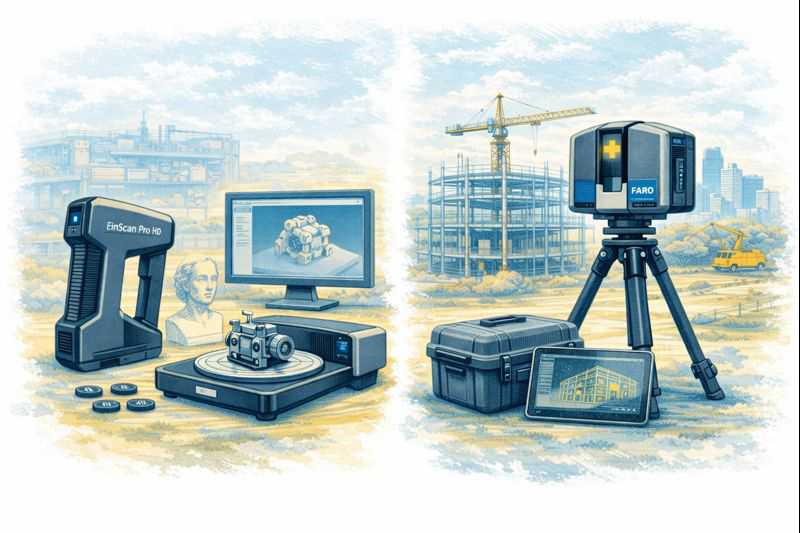
Visual comparison of EinScan object scanner and LiDAR terrestrial laser scanner in matching sketch style.

Engineering-Led, Not Just Surveying

Hamilton By Design treats scanning as part of the engineering process:

  1. 3D capture of the live plant
  2. engineering review of critical datums
  3. point cloud modelling in parametric CAD
  4. fabrication drawings for Australian workshops
  5. shutdown planning to ensure first-time fit

This approach directly supports the goal of maximum plant uptime.


Supporting Australian Capability

Scan-driven design keeps work local. Regional fabricators receive accurate models and drawings that reflect the real CHPP environment, enabling:

  • faster workshop production
  • fewer site variations
  • safer installations
  • reduced dependence on imported components

Committed to the Coal Sector

Hamilton By Design supports coal operations across NSW, the Central Coast, Sydney and regional Queensland including Mount Isa. Our 3D scanning services enhance every stage of shutdown planning and brownfield upgrades by eliminating guesswork and cutting rework.


Hamilton By Design logo displayed on a blue tilted rectangle with a grey gradient background
3D LiDAR scanning and 3D modelling service button โ€” laser scanner capturing a point cloud for engineering and CAD modelling
Mechanical engineering services

Our Services

  • FARO LiDAR scanning for CHPP as-builts
  • EinScan component capture
  • Point cloud to CAD modelling
  • Fabrication drawings & DXF outputs
  • Clash detection and digital twin support

Maximise your plant uptime by reducing rework โ€” talk to us before your next shutdown.

Name
Would you like us to arrange a phone consultation for you?
Address

3D CAD Modelling Australia service banner for Hamilton By Design
Finite Element Analysis (FEA) engineering simulation button
Mechanical engineering services

Mechanical Engineering | Structural Engineering


Structural Engineers

Structural Engineers for Industrial and Mining Projects

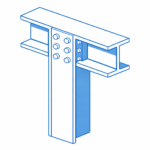
Structural steel I-beam bolted connection with column in isometric view.

Hamilton By Design provides structural engineering support for industrial facilities, mining operations, and heavy infrastructure across Australia. We work in complex, high-risk environments where accuracy matters โ€” brownfield sites, operating plants, shutdown windows, and projects that must be buildable the first time.

Our approach combines practical structural engineering with digital capture and modelling workflows to reduce uncertainty, minimise rework, and help projects move from site conditions to fabrication-ready outcomes with confidence.


A 3D laser scanner on a tripod capturing an industrial plant structure, with a colourful point cloud and blue CAD wireframe overlay illustrating engineering-grade 3D laser scanning accuracy.

3D LiDAR scanning and 3D modelling service button โ€” laser scanner capturing a point cloud for engineering and CAD modelling
Mechanical engineering services

Structural Engineering Services

We support asset owners, EPCs, maintenance teams, and fabricators with structural engineering services including:

  • Structural design and upgrade packages for plant modifications, support steelwork, access platforms, and equipment foundations
  • Structural assessments and verification for existing assets, including fit-for-purpose checks and load capacity reviews
  • Brownfield integration and retrofit design, accounting for existing geometry, constraints, and constructability
  • Connection detailing and design intent, supporting practical fabrication and installation sequencing
  • Compliance-aligned engineering documentation, suitable for procurement, fabrication, and site installation
  • Engineering support for shutdowns, upgrades, and maintenance-driven scope where time and accuracy are critical

If you need broader capability beyond structural work, view our full service offering here:
https://www.hamiltonbydesign.com.au/engineering-services/


Where Structural Engineers Add Value in Industrial Sites

Industrial and mining environments create structural challenges that differ from greenfield construction. Common drivers include:

  • Uncertain existing conditions (missing drawings, undocumented changes, deformation over time)
  • High operational loads, vibration exposure, and fatigue risk
  • Space constraints and access limitations in operating plants
  • Safety and compliance obligations for access systems, platforms, and guarding interfaces
  • Tight installation windows during shutdowns โ€” where rework is not an option

Hamilton By Design supports these conditions with structural design methods that are grounded in constructability and site realities, not just theoretical models.


Scan-to-Engineering Workflows for Structural Accuracy

Structural engineering outcomes improve dramatically when design is based on accurate existing conditions. Where appropriate, we integrate engineering-grade 3D scanning and modelling so that structural solutions fit first time.

This workflow supports:

  • Accurate member locations and interface checks
  • Clearance verification for equipment and access structures
  • Retrofit designs that align with existing steelwork and foundations
  • Reduced site clashes and fewer fabrication changes

Learn more about our scanning capability here:
https://www.hamiltonbydesign.com.au/home/3d-lidar-scanning-digital-quality-assurance/3d-laser-scanning/


Drafting and Fabrication-Ready Documentation

Structural work only delivers value when it can be fabricated and installed cleanly. Hamilton By Design produces documentation that supports workshop and site teams, including:

  • GA drawings and layout plans
  • Fabrication drawings and installation details
  • BOM support (where required)
  • As-built updates based on verified site data

Explore drafting support here:
https://www.hamiltonbydesign.com.au/engineering-services/services-drafting-lidar-scanning/


Structural Analysis and Verification

For projects involving modification, unusual loads, vibration concerns, or uncertainty around existing asset performance, we can support analysis and verification pathways to reduce risk and improve decision-making.

Our capability includes engineering checks that align with mechanical and structural project needs. If analysis is part of your scope, you can also review our assessment services here:
https://www.hamiltonbydesign.com.au/finite-element-analysis-fea-mechanical-assessment/


Typical Structural Engineering Applications

Hamilton By Design frequently supports structural engineering across:

  • Mining and process plants (CHPPs, conveyors, transfer stations, access systems)
  • Industrial facilities and workshops (equipment supports, platforms, structural modifications)
  • Brownfield upgrades where new equipment must integrate with existing structures
  • Safety improvements such as walkways, stairs, handrails, guarding supports, and maintenance access
  • Foundation and support modifications for mechanical equipment upgrades and plant change-outs

For mining-specific engineering support, see:
https://www.hamiltonbydesign.com.au/mechanical-engineering-mining-industry-australia/


Why Work With Hamilton By Design

Clients engage Hamilton By Design when they need structural engineering that is:

  • Practical and buildable โ€” designed for fabrication and installation reality
  • Accurate โ€” supported by digital site capture where needed
  • Integrated โ€” structural work aligned with mechanical interfaces and plant constraints
  • Responsive โ€” suited to shutdown-driven and time-critical scopes
  • Single-source accountable โ€” engineering, modelling, and drafting in one workflow

See examples of outcomes delivered across real projects here:
https://www.hamiltonbydesign.com.au/case-studies-hamilton-by-design/


Talk to a Structural Engineer

If you are planning a plant upgrade, safety improvement, retrofit, or structural assessment, Hamilton By Design can support your project from site conditions through to fabrication-ready documentation.

Visit our Engineering Services hub to get started:
https://www.hamiltonbydesign.com.au/engineering-services/

Hamilton By Design logo displayed on a blue tilted rectangle with a grey gradient background

Our clients:

Name
Would you like us to arrange a phone consultation for you?
Address

3D Scanning Sydney banner promoting engineering-grade 3D laser scanning, LiDAR scanning, and reality capture services by Hamilton By Design.
Mechanical Engineering Sydney banner with white text on a blue background representing Hamilton By Design's mechanical engineering services in Sydney.
Mechanical Drafting and 3D Modelling Sydney banner highlighting Hamilton By Design's CAD drafting, 3D modelling, and engineering design services in Sydney.

Mechanical Engineering | Structural Engineering