

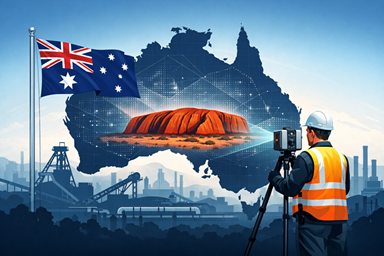
3D Laser Scanning Brisbane โ€“ From Site Capture to Engineering Outcomes

Engineering-grade laser scanning of Australian industrial and mining assets

3D Laser Scanning Brisbane | Site Capture to Engineering Outcomes

A Connected Workflow for Reliable Project Delivery

Most projects in Brisbane do not begin with empty space.
They begin with existing buildings, infrastructure and operating facilities.

Over time, equipment is replaced, services are rerouted and structures are modified. Drawings rarely keep pace with reality. When upgrades are designed from outdated information, installation conflicts and construction delays follow.

3D laser scanning allows project teams to start with measured conditions rather than assumptions.

Hamilton By Design provides a connected workflow โ€” from site capture through to engineering modelling โ€” supporting accurate design and predictable installation.
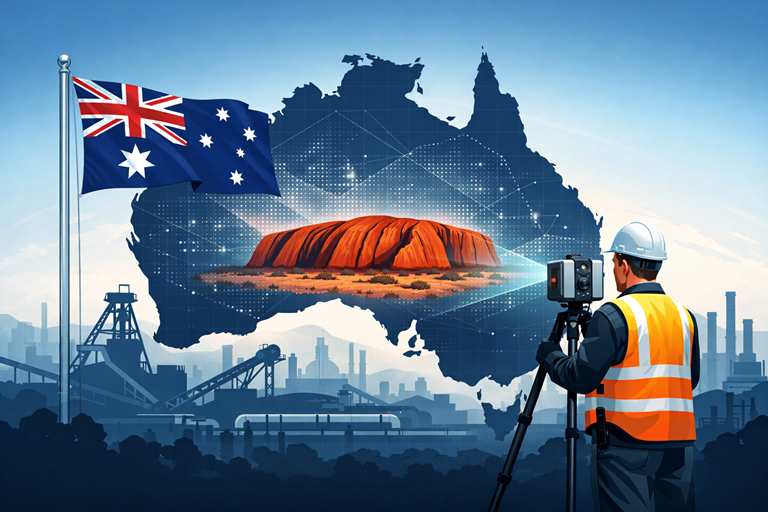

3D LiDAR scanning services across Australia for mining and industrial facilities

Step 1 โ€” Capture the Real Conditions

Start with measured reality

The first step is collecting reliable site data using high-accuracy LiDAR scanning. This creates a spatial record of structures, services and equipment exactly as they exist.

3D Scanning Brisbane
https://www.hamiltonbydesign.com.au/laser-scanning-engineering-brisbane-cbd/3d-scanning-brisbane/

This process replaces manual measurement and reduces uncertainty before design begins.


Step 2 โ€” Apply Engineering Understanding

Turn measurements into decisions

Scan data alone does not solve problems โ€” interpretation does.
Engineering review ensures the captured data supports real project outcomes such as upgrades, replacements and modifications.

3D Scanning Engineering Brisbane
https://www.hamiltonbydesign.com.au/home/engineering-services/3d-laser-scanning/3d-scanning-engineering-brisbane/

This stage identifies constraints, access limitations and constructability issues before fabrication.


Step 3 โ€” Develop Buildable Models

Create fabrication-ready information

Once verified, the measured conditions are converted into coordinated models used by designers, fabricators and contractors.

Scan to CAD Brisbane
https://www.hamiltonbydesign.com.au/scan-to-cad-brisbane/

Accurate models allow components to be designed to fit existing conditions rather than adjusted in the field.


Step 4 โ€” Apply to Real Projects

Support upgrades and modifications

Reliable as-built information improves planning and installation across many sectors:

3D Scanning Services in Brisbane
https://www.hamiltonbydesign.com.au/laser-scanning-engineering-brisbane-cbd/3d-scanning-brisbane/3d-scanning-services-in-brisbane/

Typical applications include industrial upgrades, infrastructure changes and facility modifications.


Why a Connected Workflow Matters

Many project delays occur because measurement, modelling and engineering are treated as separate tasks. When they are integrated, problems are identified earlier and resolved more efficiently.

This approach helps:

  • reduce rework
  • shorten shutdown durations
  • improve installation certainty
  • support accurate fabrication

Instead of reacting to site conditions, projects are planned around them.


Hamilton By Design logo displayed on a blue tilted rectangle with a grey gradient background

Engineering Starts With Reliable Information

The quality of the final outcome depends on the quality of the starting data.
When existing conditions are known, design becomes predictable.

By linking site capture, modelling and engineering decisions, projects can move forward with confidence.

If your project depends on existing assets, accurate measurement is the first step toward reliable delivery.
Name
Would you like us to arrange a phone consultation for you?
Address

Onsite Scanning Australia Wide

3D laser scanning services in Australia for mining and infrastructure modelling

Engineering-grade 3D laser scanning, LiDAR and digital captureโ€”delivered to site, anywhere in Australia.

When youโ€™re working in a live facility, a remote site, or an aging asset thatโ€™s been modified a hundred times, the biggest risk is uncertainty. Missing dimensions. Out-of-date drawings. Unknown interferences. A โ€œclose enoughโ€ site measure that turns into rework, delays, and variations.

Hamilton By Design provides onsite scanning Australia wide to capture accurate, verifiable site conditionsโ€”so your engineers, designers, fabricators, and project managers can make confident decisions from day one.


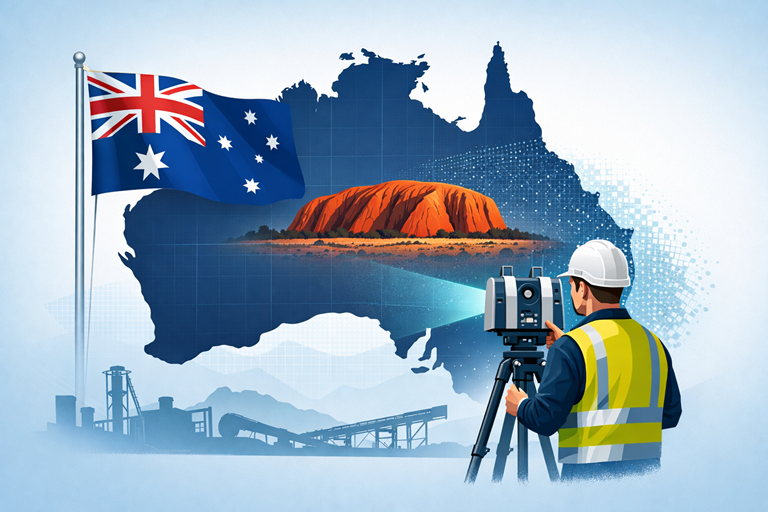
LiDAR scanning survey across Australia with engineer capturing industrial site data

Why onsite scanning matters

Onsite scanning is the fastest way to convert real-world assets into reliable digital informationโ€”especially in brownfield and retrofit environments where original documentation is incomplete or incorrect.

Our field capture provides a precise baseline for:

  • As-built verification before upgrades, tie-ins, and shutdown works
  • Retrofit engineering for legacy plants and facilities
  • Clash detection and constructability checks before fabrication or installation
  • Digital engineering workflows (scan-to-model / scan-to-drawings)
  • Condition documentation for risk reduction, scope definition and handover records

In plain terms: the scan becomes the backbone of your project. If that backbone is broken (poor capture, gaps, or low confidence), everything downstream becomes harderโ€”engineering, drafting, fabrication and installation.


Australia-wide coverage, site-ready delivery

We mobilise to projects across Australiaโ€”metro, regional and remoteโ€”bringing the scanning equipment, field workflow and practical site experience needed to operate safely and efficiently.

Typical deployment environments include:

  • Mining & resources (processing plants, conveyors, workshops, pump stations)
  • Industrial manufacturing (steel, smelting, production lines, utilities)
  • Infrastructure and utilities (water, wastewater, power, transport assets)
  • Commercial and government assets (plantrooms, services corridors, legacy buildings)
  • Marine and ship repair (fit-up checks, reverse engineering, space claims)

If your site is difficult to access, operational, or time-restricted (e.g., night works), we can plan around your constraints.


What we scan onsite

We support a wide range of scanning objectives, including:

As-built capture for engineering and design

Capture existing steelwork, pipework, structures, platforms, equipment skids, services, and building geometryโ€”so design is based on reality, not assumptions.

Retrofit and brownfield modification support

Ideal for upgrades where the facility has changed over time and legacy drawings donโ€™t match current conditions.

Fabrication and installation verification

Use scans to confirm fitment, alignment, clearances, and integration points before committing to fabrication or mobilisation.

Reverse engineering and metrology-style capture

Where components are undocumented, worn, or customโ€”scanning provides a measurement foundation for remanufacture or replacement design.


Deliverables that suit real projects

Every project is different, so we align deliverables to what your team actually needs.

Common outputs include:

  • Registered point clouds (for design coordination and record)
  • 2D CAD outputs (elevations, sections, plans where required)
  • 3D model-ready datasets to support engineering and drafting
  • Digital verification notes to support design sign-off and QA

If youโ€™re not sure what deliverable is best, weโ€™ll recommend a practical option based on your scope, schedule, and how the data will be used downstream.


How our onsite scanning service works

  1. Scope & goals โ€“ what needs to be captured, why, and what level of detail is required
  2. Site requirements โ€“ access windows, inductions, permits, traffic management, WAH/EWP needs
  3. Onsite scanning mobilisation โ€“ safe, efficient field capture with a plan to minimise disruption
  4. Processing & registration โ€“ structured datasets prepared for engineering use
  5. Delivery & support โ€“ files issued with clear naming, coordination notes, and handover guidance

Safety and site integration

We operate with a strong focus on safe field work, practical site coordination, and minimal disruption to operations. Where required, we can work alongside site teams to manage access, exclusion zones, and staged capture.


Why Hamilton By Design

Weโ€™re an engineering-led team. That mattersโ€”because onsite scanning isnโ€™t just โ€œcollecting data.โ€ Itโ€™s collecting the right data, at the right density, in the right areas, with a clear understanding of how the information will be used for design, verification, and construction.

If you need confidence in your existing conditionsโ€”we can help.


Hamilton By Design logo displayed on a blue tilted rectangle with a grey gradient background

Request onsite scanning Australia wide

If you have an upcoming retrofit, upgrade, verification, or design project and you need accurate site capture, get in touch.

Contact Hamilton By Design to discuss your site, your schedule, and the deliverables you needโ€”anywhere in Australia.


Send us your site location, a brief scope, and any drawings/photos available, and weโ€™ll advise the best scanning approach.

Name
Would you like us to arrange a phone consultation for you?
Address