Engineering-Led 3D Scanning for Inner West Sydney Refurbishments

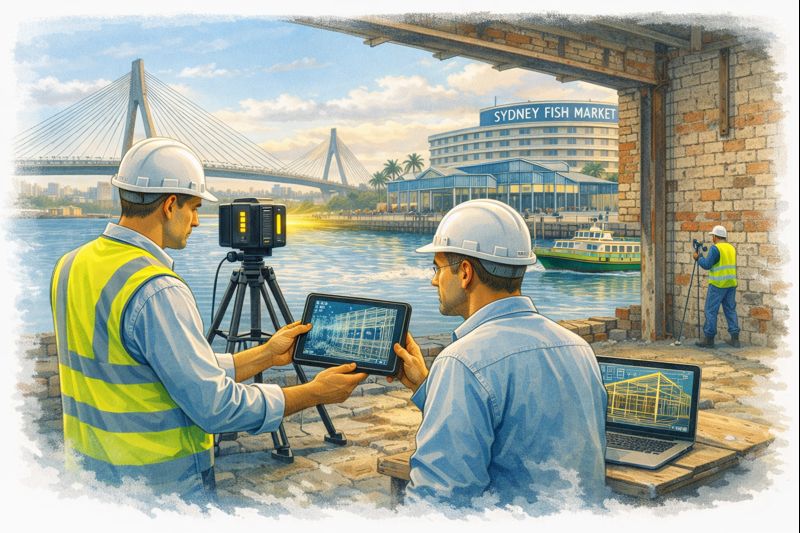
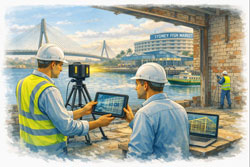
Engineer and client reviewing 3D laser scan data inside an Inner West Sydney heritage building with ANZAC Bridge and Sydney Fish Market in the background.

Refineries, Heritage Buildings & Industrial Retrofits Done Right

The Inner West of Sydney is home to some of the cityโ€™s most complex refurbishment environments.
From legacy refinery and industrial sites through to heritage-listed warehouses, factories, and commercial buildings, these assets were never designed with modern codes, loading requirements, or services in mind.

Yet today, theyโ€™re being asked to support:

  • New plant and equipment
  • Adaptive re-use and change of occupancy
  • Heavier floor loads
  • Updated fire, seismic, and structural standards
  • Modern services routing in very old structures

This is where many refurbishment projects run into trouble โ€” not because the design is poor, but because the starting information is wrong or incomplete.


The Inner West Problem: Old Buildings, New Standards

Much of the Inner Westโ€™s industrial and heritage building stock was constructed:

  • Under superseded Australian Standards
  • With unknown material properties
  • Using construction methods no longer permitted
  • With undocumented modifications over decades of use

What often looks acceptable visually may be:

  • Structurally marginal under modern load cases
  • Locally compromised due to corrosion, settlement, or fatigue
  • Modified in ways that no longer match original drawings

When these issues are discovered late in the design process, the outcome is almost always the same:

  • Redesign
  • Strengthening
  • Programme delays
  • Budget escalation

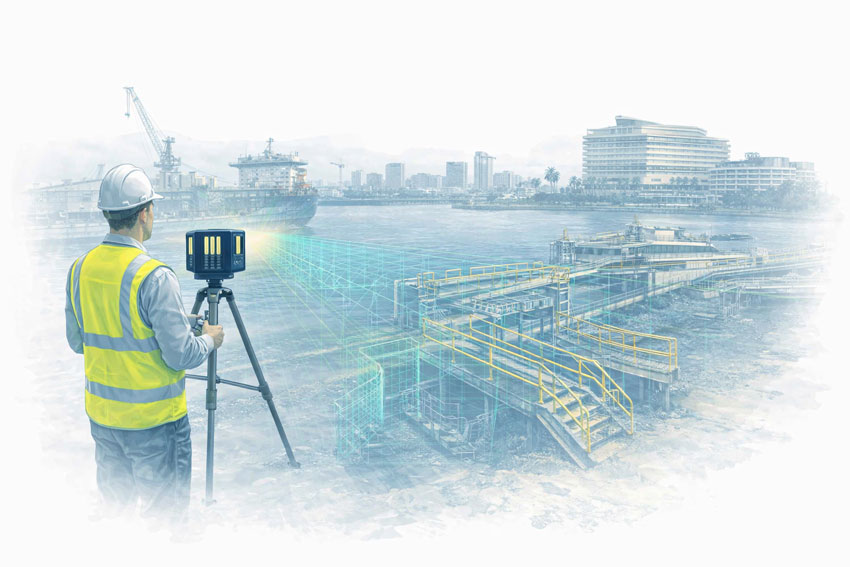
Engineering-led 3D scanning of an existing Inner West Sydney industrial building prior to refurbishment and structural assessment.

Why Waiting Until โ€œDetailed Designโ€ Is Too Late

A common scenario we see in Inner West refurbishments:

  1. Concept design proceeds based on legacy drawings or assumptions
  2. Floor layouts, equipment, and architectural intent are developed
  3. Engineering review begins
  4. Structural checks identify:
    • Inadequate floor capacity
    • Unsupported penetrations
    • Changed load paths
    • Degraded or altered members
  5. Design is forced to change โ€” often significantly

At this point, the engineer isnโ€™t blocking creativity โ€” theyโ€™re responding to reality.

The issue isnโ€™t engineering input.
The issue is when the true condition of the structure becomes visible.


Start With a Scan: Let Designers Create With Confidence

Engineering-grade 3D laser scanning at the very beginning of a refurbishment changes the entire dynamic of a project.

Instead of reacting to unknowns later, the project team starts with:

  • Verified geometry
  • True floor levels and deflection
  • Structural alignment and deformation
  • Accurate column, beam, and slab positions
  • Measured deviations from original drawings

This gives architects and designers something powerful:

Freedom to design within known constraints โ€” not guessed ones.


Heritage & Industrial Retrofits: Why Scanning Matters Even More

Heritage Buildings

Heritage structures often prohibit invasive investigation early on.
3D scanning allows:

  • Non-intrusive verification of geometry
  • Identification of movement or deformation
  • Assessment of tolerance drift over time
  • Planning of sympathetic strengthening solutions

Refineries & Legacy Industrial Sites

Inner West refinery and process facilities bring additional challenges:

  • Tight access
  • Live plant interfaces
  • Safety-critical environments
  • Brownfield congestion

Scanning provides:

  • Safe remote measurement
  • Clash-free retrofit design
  • Confidence before shutdowns
  • Reduced rework during construction

When Standards Change, Reality Matters

One of the most common late-stage surprises in refurbishments is floor capacity.

Buildings that performed adequately for decades may no longer comply with:

  • Current live load requirements
  • Change-of-use provisions
  • Equipment point loads
  • Modern safety factors

Without accurate structural geometry and context, engineers are forced to:

  • Assume worst-case scenarios
  • Over-design strengthening
  • Restrict layouts unnecessarily

Early scanning supports informed engineering judgement, often resulting in:

  • Targeted strengthening instead of blanket solutions
  • Retention of original fabric where possible
  • Reduced material and construction costs
From Point Cloud to Engineering Decisions

At Hamilton By Design, scanning is not a standalone service โ€” itโ€™s an engineering tool.

Our process typically supports:

  • Structural verification of existing buildings
  • Floor flatness, level, and deflection assessment
  • Alignment checks of columns and frames
  • Scan-to-CAD models for design integration
  • Fit-for-purpose information for refurbishment decisions

This is especially critical in Inner West projects, where:

  • Every millimetre matters
  • Access is limited
  • Heritage considerations are real
  • Late changes are costly

Design With Knowledge, Not Surprises

Refurbishments donโ€™t fail because buildings are old.
They fail because assumptions survive too long.

By starting with an engineering-led scan:

  • Designers get space to create
  • Engineers get data they can trust
  • Asset owners avoid late-stage shocks
  • Projects move forward with confidence

If youโ€™re planning a refinery upgrade, heritage refurbishment, or adaptive re-use project in Inner West Sydney, the smartest decision you can make is to scan first โ€” before concept becomes constraint.


Thinking about a refurbishment or retrofit in the Inner West?

Engineering-grade 3D scanning at the start gives your project clarity, confidence, and creative freedom โ€” not limitations.

Name
Would you like us to arrange a phone consultation for you?
Address

3D Scanning Services Darwin: Industrial LiDAR for As-Builts, Shutdowns & Brownfield Upgrades

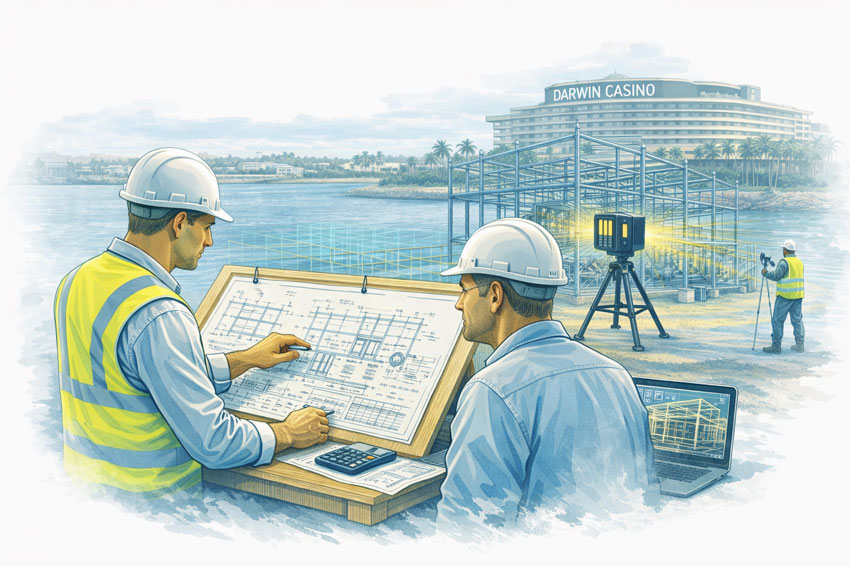
Mechanical engineer and client reviewing drawings while LiDAR scanning a site near Darwin Casino

3D Scanning Services Darwin | Industrial LiDAR for Engineering Projects

In Darwinโ€™s industrial and infrastructure sectors, accurate site data is critical before any upgrade, shutdown or retrofit project begins. Many facilities are operating with outdated drawings, undocumented modifications and congested plant layouts โ€” making traditional site measurement slow, risky and unreliable.

Engineering-grade 3D LiDAR scanning provides fast, highly accurate as-built data that engineers can rely on for design, fabrication and installation planning. At Hamilton By Design, we deliver industrial 3D scanning services in Darwin that support brownfield upgrades, shutdown works and asset documentation across mining, ports, defence and utilities.


What Is Engineering-Grade 3D Scanning?

Unlike basic surveying or photogrammetry, industrial LiDAR scanning captures millions of measurement points per second to generate a true-scale point cloud of your facility.

This allows engineers to:

  • Measure clearances accurately
  • Verify structural geometry
  • Detect clashes before fabrication
  • Design directly from real-world data

Our workflows convert point cloud data into:

  • CAD models
  • Fabrication drawings
  • BIM and coordination models
  • As-built documentation

This means scanning is not just a survey โ€” it becomes the foundation of your entire engineering workflow.


Key Industries Using 3D Scanning in Darwin

Darwin is a major hub for industrial and infrastructure projects across Northern Australia. The most common users of LiDAR scanning include:

Defence & Secure Facilities

  • Hangars, workshops and logistics buildings
  • Fuel systems and plant rooms
  • Retrofit and compliance upgrades

Scanning allows engineers to design remotely while reducing on-site access requirements and security risks.


Ports, Marine & Bulk Handling Infrastructure

  • Conveyors and transfer stations
  • Wharf structures and ship loaders
  • Upgrade planning without interrupting operations

LiDAR scanning enables safe measurement of live operating assets and complex marine structures.


Mining Support & Materials Handling

While many mines are remote, engineering and fabrication is often coordinated through Darwin.

Typical applications include:

  • Transfer chute redesign
  • Conveyor upgrades
  • Structural tie-ins during shutdowns

Accurate scans reduce installation risk and minimise costly shutdown overruns.


Oil, Gas & LNG Support Facilities

  • Skid and modular plant design
  • Pipe routing and equipment replacement
  • Brownfield retrofit engineering

Scanning ensures new modules fit first time, even when original drawings are incomplete.


Government Infrastructure & Utilities

  • Water and wastewater treatment plants
  • Power generation and substations
  • Asset documentation and compliance works

As-built scanning supports long-term asset management and future upgrade planning.


Common Problems 3D Scanning Solves

Engineering teams typically engage scanning when they face:

  • Missing or inaccurate drawings
  • Congested plant layouts
  • High risk of installation clashes
  • Tight shutdown windows
  • Remote engineering coordination

By capturing the full environment, engineers can design with confidence and reduce rework during construction.


Typical Deliverables From a Darwin LiDAR Scan

Depending on your project, we can provide:

  • Registered point clouds (E57 / RCP formats)
  • 3D CAD models for design
  • Fabrication and installation drawings
  • Structural verification models
  • BIM coordination models
  • As-built documentation packages

This allows scanning data to be used directly by mechanical, structural and drafting teams.


Why Industrial Projects Choose Hamilton By Design

Hamilton By Design is an engineering-led scanning and modelling provider, not just a survey company.

Our clients value that we understand:

  • Shutdown scheduling pressures
  • Fabrication tolerances
  • Installation constraints
  • Australian Standards compliance
  • Mining and industrial safety requirements

This means the data we deliver is practical for real-world construction and maintenance projects, not just visually accurate.


When Should You Use 3D Scanning on Your Project?

3D scanning is most valuable when:

  • Modifying existing plant or structures
  • Designing replacement equipment
  • Planning shutdown installations
  • Verifying compliance or structural alignment
  • Preparing for major upgrades

Early scanning often prevents downstream engineering changes and costly site delays.


3D Scanning Services Available Across Darwin and the Top End

We support projects in:

  • Darwin industrial precincts
  • Port and marine facilities
  • Remote mining and processing sites
  • Defence infrastructure environments

Our team can mobilise scanning crews and deliver digital models suitable for immediate engineering use.


Hamilton By Design logo displayed on a blue tilted rectangle with a grey gradient background

Speak With an Engineer About Your Darwin Scanning Project

If you are planning upgrades, shutdown work or plant modifications, accurate site data is the first step toward reducing risk and improving delivery outcomes.

Contact Hamilton By Design to discuss industrial 3D scanning services in Darwin and how LiDAR data can support your engineering and fabrication workflow.

Name
Would you like us to arrange a phone consultation for you?
Address

Choosing the Right 3D Scanning Tools for Your Project

Diagram comparing visual scanning, engineering LiDAR and photogrammetry to help choose the right 3D scanning method for construction and engineering projects.

Choosing the Right 3D Scanning Tool for Engineering Projects

3D scanning is now widely used across construction, property, manufacturing, and heavy industry โ€” but not all scanning tools are designed for the same outcomes. Choosing the right technology depends less on the buzzwords and more on what you actually need to do with the data after itโ€™s captured.

This article explains the main types of 3D scanning commonly used in Australia today, what theyโ€™re best suited for, and how to choose the right approach for your project.


1. Visual Capture Scanning (Property, Architecture & Digital Twins)

Best for:

  • Property marketing and virtual tours
  • Design coordination
  • Facilities management
  • Heritage documentation
  • Basic Scan-to-BIM

Typical outputs:

  • Web-based walkโ€‘through models
  • Coloured point clouds
  • Floor plans and simple BIM geometry
  • OBJ / E57 exports for modelling

Strengths:

  • Fast capture
  • Lower cost
  • Easy sharing via web platforms
  • Excellent for stakeholder engagement

Limitations:

  • Lower geometric accuracy
  • Not suitable for fabrication tolerances
  • Not reliable for mechanical or structural fitโ€‘up

This type of scanning is ideal when the goal is visual context and spatial understanding, rather than precise dimensional control.


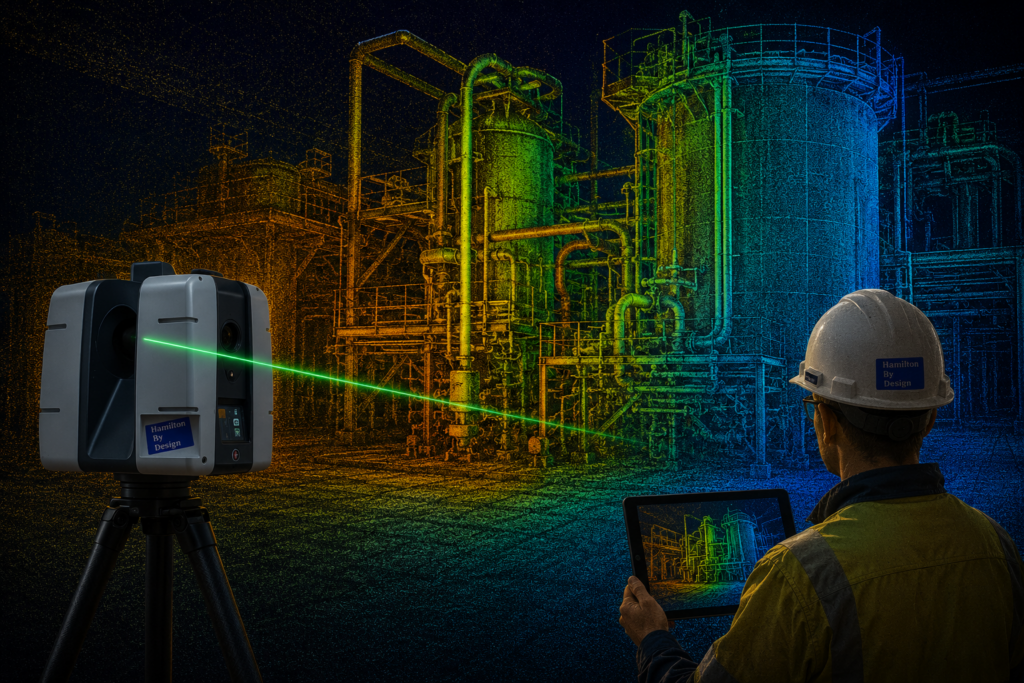
Engineers using LiDAR scanners to capture plant equipment and convert point cloud data into CAD models for verification and as-built documentation.

2. Engineeringโ€‘Grade LiDAR Scanning (Industrial & Retrofit Projects)

Best for:

  • Mechanical and structural design
  • Plant upgrades and brownfield sites
  • Clash detection
  • Fabricationโ€‘ready modelling
  • Shutdown planning

Typical outputs:

  • Highโ€‘density point clouds
  • Registered E57 / RCP datasets
  • CADโ€‘ready reference geometry
  • Scanโ€‘toโ€‘CAD and Scanโ€‘toโ€‘BIM models

Strengths:

  • Millimetreโ€‘level accuracy
  • Longโ€‘range capability
  • Reliable for engineering measurement
  • Suitable for design verification

Limitations:

  • Higher equipment and processing cost
  • Longer setup and registration time
  • Requires engineering workflows to extract value

Engineering LiDAR is used when design decisions and fabrication depend on accurate geometry, not just visual representation.


3. Photogrammetry (Large Areas & Outdoor Mapping)

Best for:

  • Stockpile measurement
  • Terrain mapping
  • Faรงade capture
  • Infrastructure corridors

Typical outputs:

  • Mesh models
  • Orthophotos
  • Surface models

Strengths:

  • Covers large areas quickly
  • Droneโ€‘based access
  • Useful for topography

Limitations:

  • Less accurate for fine detail
  • Poor performance in tight or indoor environments
  • Limited for mechanical components

Photogrammetry is excellent for scale and surface data, but not for highโ€‘precision engineering work.


4. Why the End Use of Data Matters More Than the Scanner

The most common mistake in 3D scanning projects is choosing a capture method before defining:

  • Will the data be used for design and fabrication?
  • Or mainly for visualisation and documentation?
  • Do tolerances matter?
  • Will components be manufactured from this data?

If scanning is only used for:

  • Layout confirmation
  • Space planning
  • Stakeholder communication

Then visual scanning platforms may be entirely sufficient.

If scanning is used for:

  • Equipment replacement
  • Structural modification
  • Pipework or conveyor interfaces
  • Custom fabrication

Then engineeringโ€‘grade LiDAR is essential.


5. Matching the Tool to the Job

Project TypeRecommended Technology
Real estate & virtual toursVisual capture scanning
Office and building refurbishmentsVisual capture or LiDAR depending on tolerances
Plant upgrades & shutdownsEngineeringโ€‘grade LiDAR
Mechanical retrofitsEngineeringโ€‘grade LiDAR
Large outdoor mappingPhotogrammetry or LiDAR
Fabrication from existing assetsEngineeringโ€‘grade LiDAR only

6. Scanning Is Only Step One

Regardless of the technology used, scanning only creates value when paired with:

  • Proper registration and QA
  • Engineering interpretation
  • CAD modelling and documentation
  • Design validation

Without these steps, point clouds remain large files with limited practical use.

The biggest performance gains come when scanning is directly integrated into:

  • Engineering design
  • Constructability reviews
  • Clash detection
  • Fabrication planning

Infographic explaining how to choose the right 3D scanning tool based on whether a project needs visualisation, engineering design, or large-area measurement.

Final Thoughts

3D scanning is not a single solution โ€” it is a group of technologies with very different strengths.

The right approach depends on whether your project is focused on:

  • Seeing the space, or
  • Building from the space

Understanding that difference early can save significant time, cost, and rework later in the project lifecycle.

If youโ€™re unsure which approach fits your project, start by defining what decisions and deliverables will rely on the data โ€” then choose the scanning method that supports those outcomes, not just the fastest or cheapest option.

Name
Would you like us to arrange a phone consultation for you?
Address